Video Overview
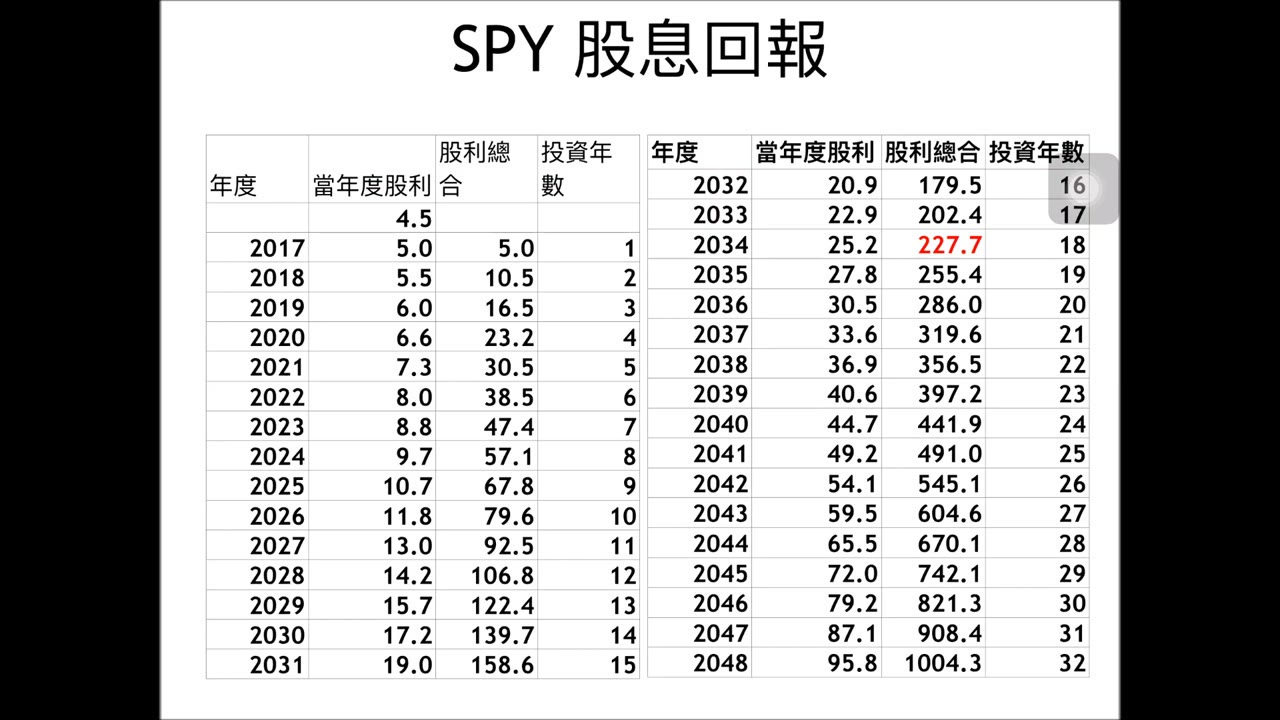
This lesson uses a chart-based retirement example to explore the relationship among starting capital, annual investment income, and living expenses. The speaker begins with a hypothetical retirement fund of one million generating 100,000 a year. Spending the full 100,000 preserves the principal within the model, but leaves no room for a higher budget. The lesson then compares starting with 50,000 more or less and spending 10,000 to 20,000 above or below the assumed income. Its central point is that modest differences in retirement planning can produce sharply different outcomes over many years. Every amount, time horizon, and result is a simplified scenario from the video, not a forecast by this site.
Key Takeaways
- The video assumes that a retirement fund of one million produces 100,000 annually. If yearly spending is also 100,000, the principal remains intact within the model, but the available budget does not grow.
- By comparing starting balances of 950,000 and one million, the speaker argues that a 50,000 difference can materially affect how long the money lasts and how secure the retiree feels in the video's scenario.
- A second set of examples compares annual spending of 90,000, 100,000, 110,000, and 120,000 to illustrate how spending below, at, or above assumed income can change the long-term trajectory.
Chapters
About 00:00:06 · A retirement scenario with income matching expenses
The speaker assumes that one million produces 100,000 annually and explains how spending the same amount leaves principal unchanged within the model.
About 00:00:31 · The impact of starting with 50,000 more or less
The video compares slightly higher and lower starting balances to show how a modest gap may affect longevity, peace of mind, and the remaining balance over time.
About 00:01:56 · How annual spending changes the trajectory
The speaker compares scenarios that spend 10,000 to 20,000 more or less each year, presenting the relationship between spending and assumed income as the model's key variable.
Related Topics
retirement planning, retirement spending, portfolio longevity, annual income assumptions, retirement security, long-term savings trajectory
This page was prepared with AI from selected portions of the video's audio to help readers understand the main topics. It may omit secondary material or contain transcription errors; the original video remains authoritative.