Video Overview
This course segment opens with the speaker's conceptual distinction between workers and capital owners, based on whether someone must keep working to support daily life. The speaker also stresses that investment outcomes are uncertain and that poor decisions can lead to serious losses. The discussion then shifts to why a person wants money, what makes work meaningful beyond pay, and how greater resources might help other people. In the latter portion, financial freedom is framed as a personal question rather than a fixed sum. The speaker proposes organizing scattered funds, retirement-related accounts, and spending destinations to understand one's current position. These are the speaker's values and classroom prompts, not investment advice from this site or a complete procedure for becoming a capital owner.
Key Takeaways
- The speaker distinguishes workers from capital owners by whether continued work is necessary to support daily life, while emphasizing that investing may lose money.
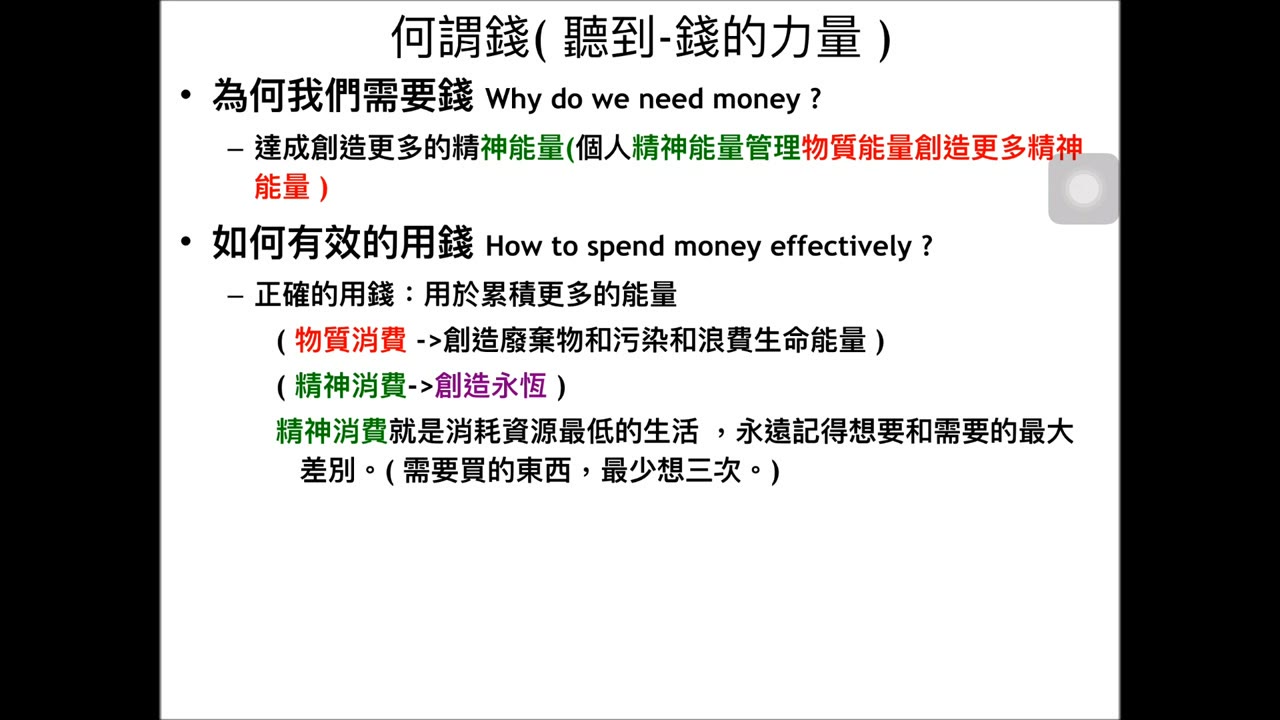
- The video places understanding what money is for ahead of simply seeking more wealth.
- Viewers are encouraged to consider their priorities, work they would enjoy, and how they might contribute to others.
- Financial freedom is not presented as one universal amount; it depends on spending, use of funds, and how long the money may be needed.
- The speaker proposes organizing accounts and spending destinations to assess the present situation and the distance from retirement goals.
Chapters
About 00:00:03 · Workers and Capital Owners
The speaker distinguishes the two concepts through sources of livelihood and cautions that investing or owning capital does not ensure a profit.
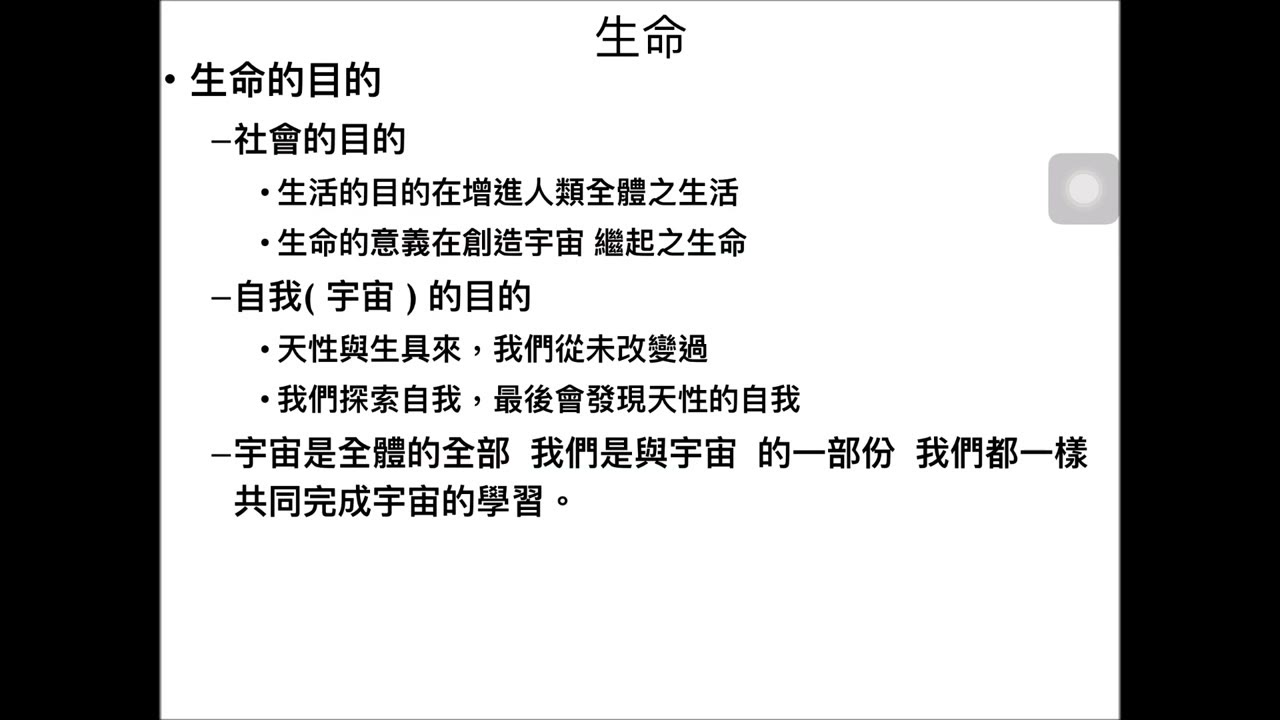
About 00:03:18 · Work, Money, and Life Purpose
The video looks beyond salary and asks viewers to consider enjoyable work, personal priorities, and the purpose of money.
About 00:07:15 · Defining Financial Freedom
The speaker argues that needs differ by person, so no single fixed amount can answer how much is enough.
About 00:08:18 · Mapping Funds and Retirement Distance
The video proposes organizing scattered funds and retirement-related accounts before estimating how much longer one may need to work.
About 00:09:40 · From Labor to Using Capital
The speaker questions an education model centered only on labor income and suggests reviewing how efficiently funds are used and where spending goes.
Related Topics
workers and capital owners, purpose of money, meaningful work, life priorities, financial freedom, personal asset review, retirement preparation, use of capital
This page was prepared with AI from selected portions of the video's audio to help readers understand the main topics. It may omit secondary material or contain transcription errors; the original video remains authoritative.