Video Overview
This course segment begins with the principle that investors must take responsibility for their own decisions instead of blaming someone who shared information. The speaker first recalls reading about investing, noticing everyday consumer behavior, and concentrating on a familiar company around 2000. He also acknowledges that avoiding part of a market decline involved luck. The discussion then turns to his personal account of leaving the market after perceiving overheating during 2007–2009 and later re-entering. The closing returns to understanding products and making an independent assessment. The speaker discusses evaluating annuities and insurance through cash-flow returns and mentions products such as SPY and QQQ. These trades and product views are the speaker's historical experiences and preferences, not investment advice from this site or a generally applicable strategy.
Key Takeaways
- The video argues that investors are responsible for their own decisions and outcomes and should not transfer that responsibility to someone who provides information or shares an experience.
- The speaker uses his experience of observing everyday consumption and holding a familiar company around 2000 to explain how he reached a decision at the time; it is a personal example, not a repeatable stock-selection rule.
- Looking back on leaving and re-entering the market during 2007–2009, the speaker acknowledges that avoiding part of a decline involved luck rather than presenting his result as reliable market-timing skill.
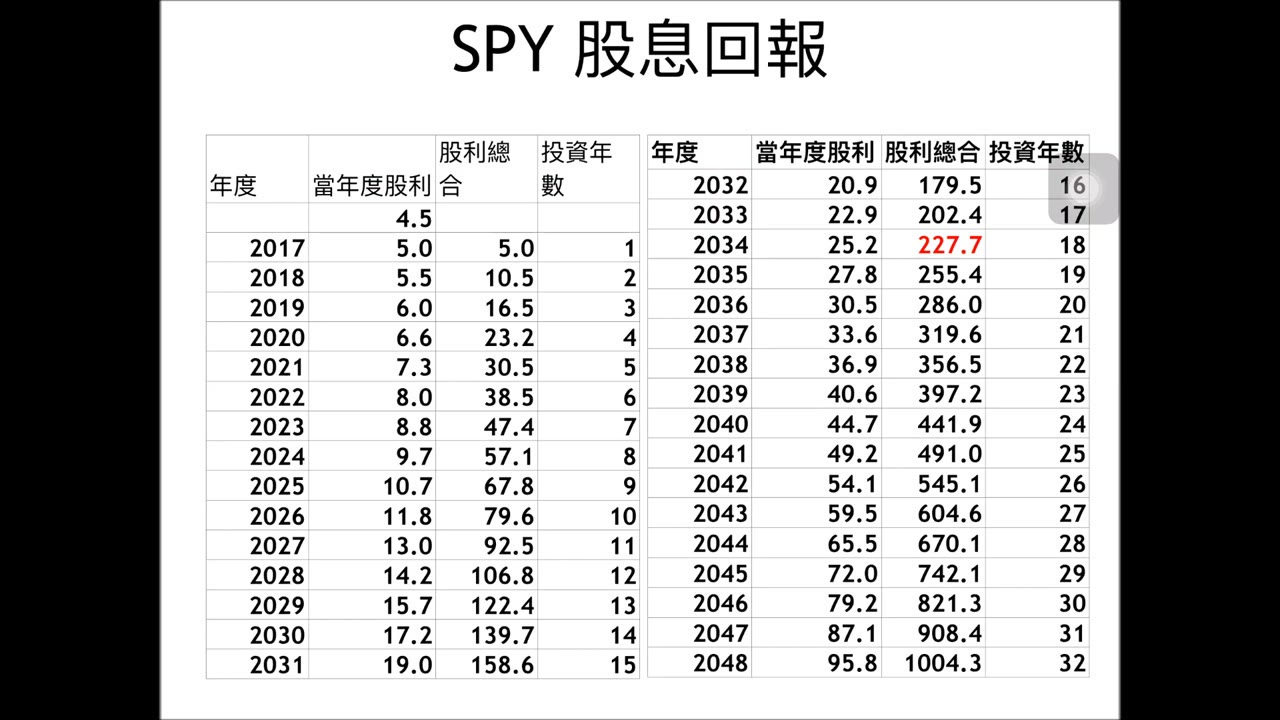
- The closing emphasizes understanding a product before deciding and discusses using cash-flow returns to assess annuities and insurance; the judgments and preferences concerning the named products remain attributed to the speaker.
Chapters
About 00:00:00 · Personal Responsibility and a Familiar-Business Example
The speaker rejects shifting responsibility for investment decisions, then recalls how reading about investing, observing daily consumption, and owning a familiar company shaped his approach.
About 00:03:07 · Market Overheating and the Speaker's Trades
The video reviews the speaker's exits and subsequent re-entry during 2007–2009, with the outcome explicitly attributed to his personal judgment and luck.
About 00:05:38 · Understanding Products and Assessing Returns
The speaker restates personal responsibility, discusses assessing annuities and insurance through cash-flow returns, and expresses his own preferences concerning the named products.
Related Topics
investment responsibility, familiar businesses, market overheating, market entry and exit experiences, cash-flow returns, annuities and insurance
This page was prepared with AI from selected portions of the video's audio to help readers understand the main topics. It may omit secondary material or contain transcription errors; the original video remains authoritative.