Video Overview
This video examines how asset allocation changes with a person's circumstances and need to draw from invested assets. The speaker argues that every allocation has strengths and weaknesses, so none is best across all market conditions. Modeled scenarios compare behavior in rising and falling markets and after borrowing, focusing on returns, value left after losses, and whether the arrangement remains sustainable. The speaker also addresses borrowing to invest and says an allocation based on one set of assumptions should not be switched casually. A large expense outside those assumptions calls for a fresh review of the allocation and funding plan. The closing warns that placing everything in a particular holding carries higher risk. These are the speaker's scenario analyses and risk views, not individualized investment advice.
Key Takeaways
- The speaker notes that asset allocation depends on circumstances, including whether someone must draw from invested assets; no single allocation is best in every situation.
- The video uses modeled results to show that evaluation involves more than returns: it also includes how much may remain in an adverse market and which outcome matters more.
- The speaker says borrowing to invest can magnify losses and insolvency risk, and warns against replacing risk analysis with one fortunate entry point.
- The video explains that an allocation set under specific modeled assumptions should not be shifted casually; an unplanned large funding need requires a fresh review.
- The closing warns that placing all assets in a particular holding carries higher risk.
Chapters
About 00:00:00 · No single answer to asset allocation
The video opens with different life situations and withdrawal needs. The speaker says allocation choices vary by person, each approach has strengths and weaknesses, and none is best across all market conditions.
About 00:27:45 · Testing pressure through remaining assets
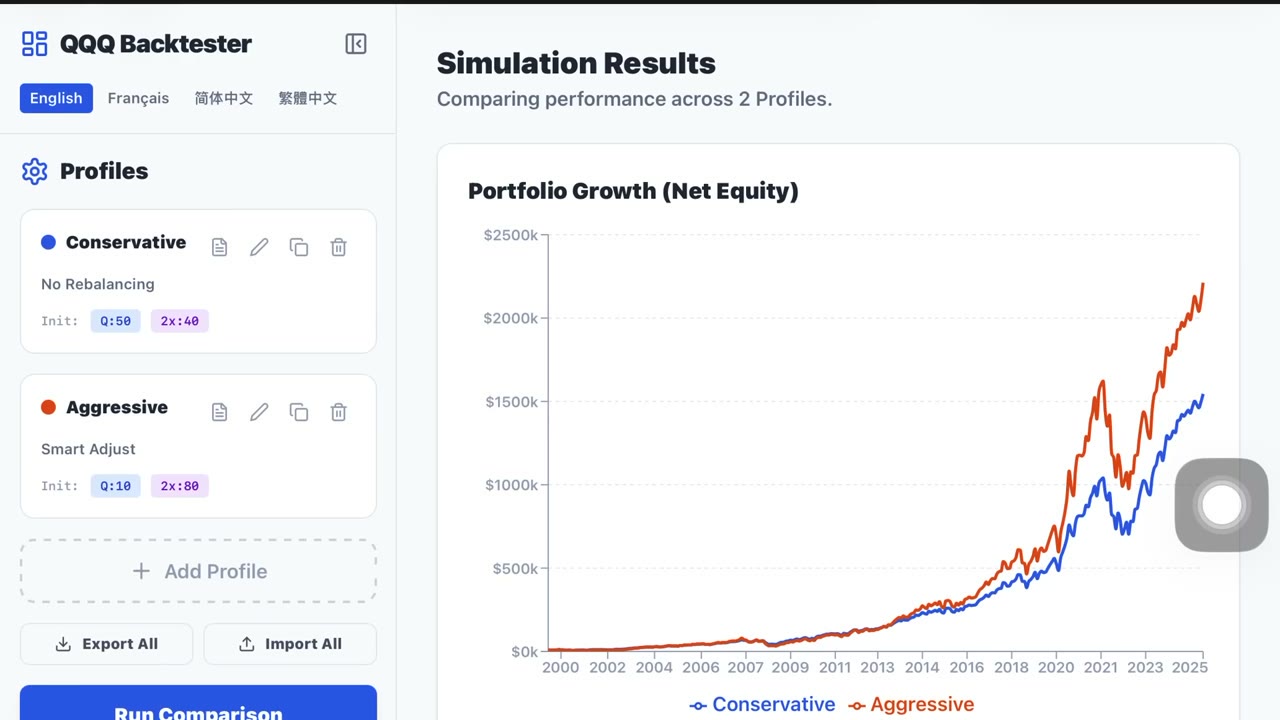
The speaker reviews changes in assets and net assets in a modeled case, using a steep decline during an adverse period to highlight the losses an allocation may face under pressure.
About 00:49:19 · Returns versus capacity for loss
This portion compares how different scenarios behave in rising and falling markets, then asks whether a person cares more about returns or about how much remains after a decline.
About 01:10:53 · Survival risk in borrowing to invest
By contrasting possible outcomes from entering at different market points, the speaker argues that borrowing to invest cannot be judged by one successful experience; imagined returns do not remove a loss that makes the funding plan unsustainable.
About 01:32:27 · Reallocating after an unplanned expense
The video says the initial scenario should not be changed casually. When a sudden large expense falls outside the original model, it creates a new funding position that calls for reviewing the allocation and next steps.
About 02:21:46 · A warning about concentration risk
At the close, the speaker says certain allocation approaches should not be used and warns that placing all assets in a particular holding carries higher risk.
Related Topics
asset allocation, risk tolerance, market decline scenarios, borrowing to invest, remaining asset value, unplanned funding needs, allocation review
This page was prepared with AI from selected portions of the video's audio to help readers understand the main topics. It may omit secondary material or contain transcription errors; the original video remains authoritative.