Video Overview
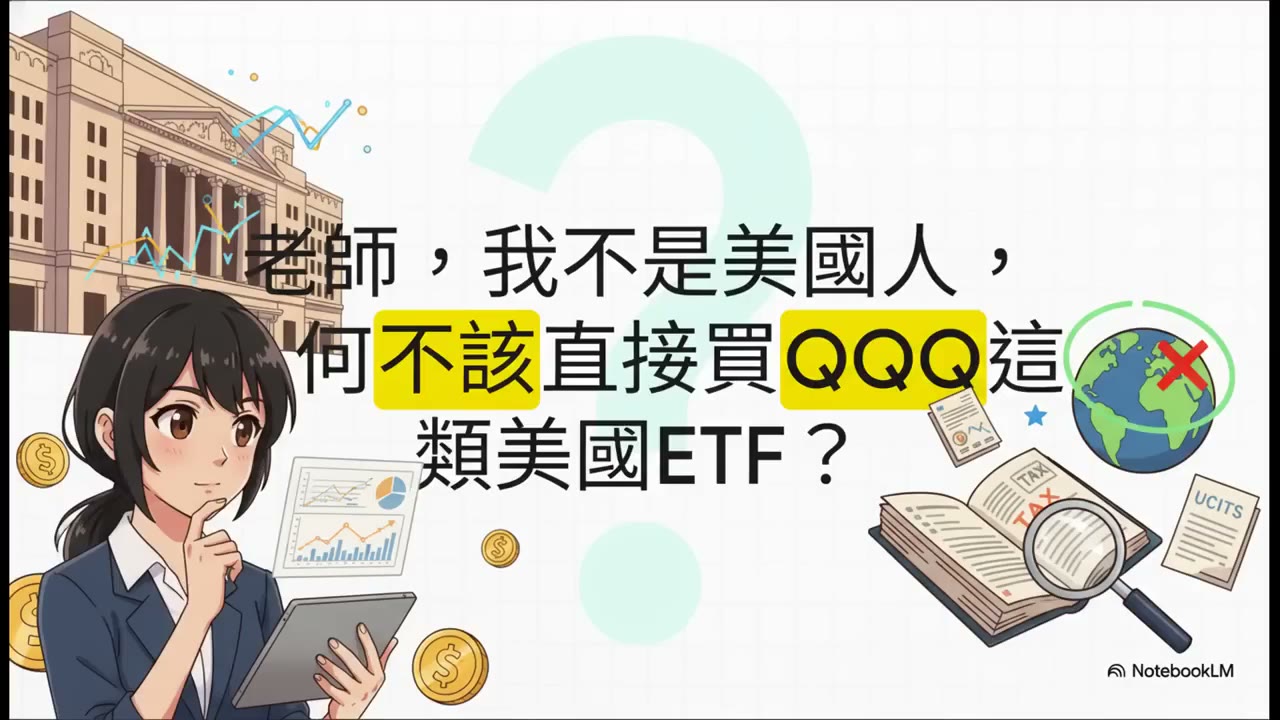
The video begins with the question of what money is and presents the speaker's view of currency as an IOU, with a country's economic strength underpinning its credibility and the dollar's position. The speaker then describes how money entering the economy may follow different paths for people who must spend it on necessities and those who already hold stocks or real estate. Bitcoin is introduced as a global ledger beyond the control of any single country and as a possible alternative system whose long-term development remains uncertain. The latter part returns to the market conditions discussed in the original lecture, comparing dividend yield, government bond yield, and growth before demonstrating how public websites can be used to review the historical returns of indexes and ETFs. The conclusion emphasizes turning knowledge into independent judgment and looking beyond short-term price movements to study longer-term trends. This is a summary of the speaker's views, not a recommendation from this site.
Key Takeaways
- The video summarizes the speaker's view that money functions as an IOU, while also warning that investing involves risk and requires independent, careful decisions.
- The speaker uses national economic strength as a metaphor for the credibility behind a currency and describes different flows for money spent on necessities and money held by existing asset owners.
- Bitcoin is compared with SWIFT as a system for transaction records and settlement, but the video characterizes it as a global ledger without a central controller and frames its potential as long term and uncertain.
- Looking back to early 2021, the speaker compares the S&P 500's average dividend yield with the yield on ten-year U.S. government bonds and the growth of technology stocks, explicitly limiting the valuation judgment to that period.
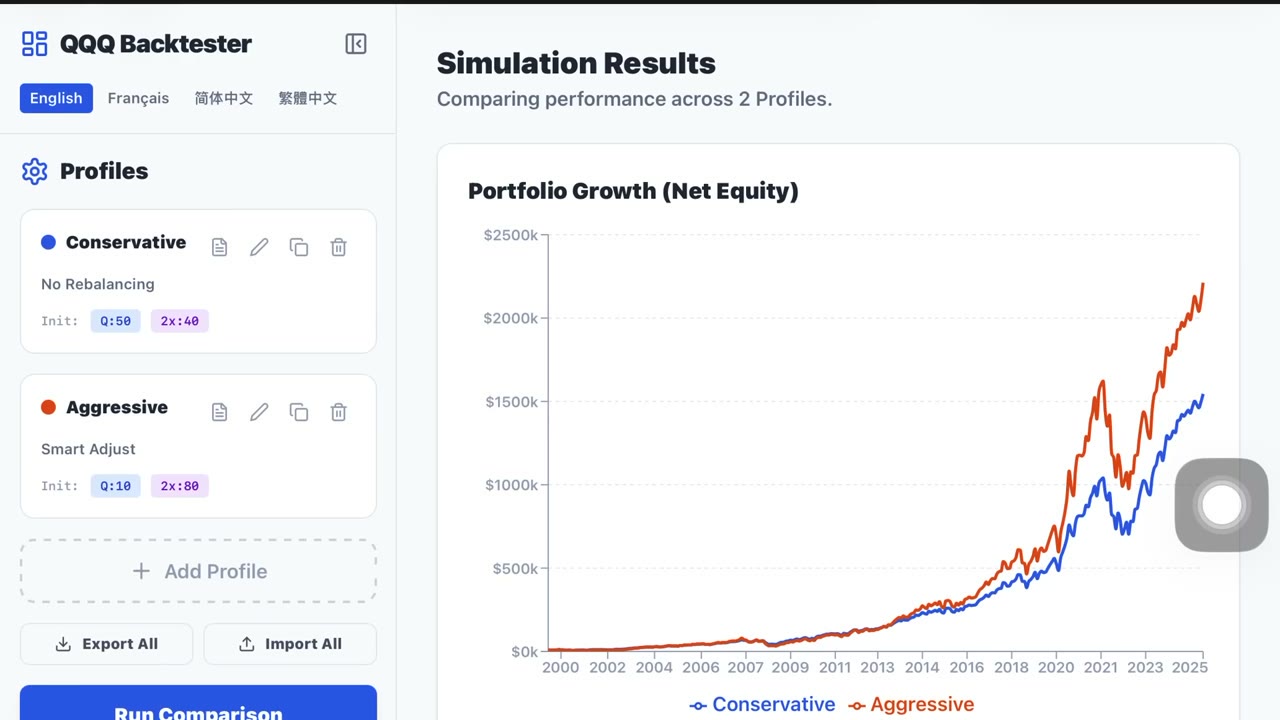
- The speaker demonstrates how the NASDAQ and MoneyDJ websites can be used to compare historical returns for indexes and ETFs such as the S&P 500, QQQ, and ARKK, reinforcing the theme of independent research and long-term thinking.
Chapters
About 00:00:00 · Beginning with the Meaning of Money
The opening frames the discussion as an exchange of experience, cautions viewers about investment risk, and introduces the question of what money is.
About 00:04:42 · Currency Credibility and Different Money Flows
The speaker links currency credibility to national economic strength and contrasts the circumstances of people spending on necessities with those already holding stocks and real estate.
About 00:10:10 · Bitcoin and Practical Purchasing Power
Bitcoin is described as a decentralized global ledger, followed by an everyday comparison of prices in the United States and Taiwan to illustrate the purchasing power of the dollar and Taiwan dollar.
About 00:15:37 · Market Views and Public Data
The speaker revisits yields and technology-stock growth in early 2021, then demonstrates how to use the NASDAQ and MoneyDJ websites to review historical returns for indexes and ETFs.
About 00:20:20 · Independent Judgment and Long-Term Trends
The conclusion recaps money, currencies, Bitcoin, and comparisons among investment vehicles, with an emphasis on forming independent judgments and studying long-term trends.
Related Topics
nature of money, currency credibility, the dollar's position, money creation and financial flows, Bitcoin, purchasing power, S&P 500, historical ETF returns, independent investment research
This page was prepared with AI from selected portions of the video's audio to help readers understand the main topics. It may omit secondary material or contain transcription errors; the original video remains authoritative.