Video Overview
The video begins with a familiar question: why might stock and real-estate prices keep rising when people feel that the economy is weak? The speaker first describes money as an IOU supported by credit. A hypothetical palace and surrounding huts then illustrate the speaker's view of a cycle connecting an expanding money supply, asset prices, and credit. The video next contrasts cash holders with asset owners, arguing that the former may face declining purchasing power while the latter may benefit when asset prices rise. In the final portion, the speaker uses Nasdaq index funds and money market funds as examples of preferred growth assets and a place for short-term funds, respectively. These are views and analogies presented in the video, not this site's conclusions or recommendations about monetary systems, product performance, or investment choices.
Key Takeaways
- The speaker uses the contrast between weak economic sentiment and rising stock and real-estate prices as a starting point for reconsidering the relationship between money and assets.
- The video describes money as an IOU or record of debt, explaining this view through changes in the form of exchange and in the party supporting the credit.
- A palace-and-huts analogy presents the speaker's proposed cycle: more money raises prices, while larger asset values create room for further credit expansion.
- The video contrasts cash holders with asset owners, describing the effects of inflation on purchasing power and of rising prices on asset holdings as different economic positions.
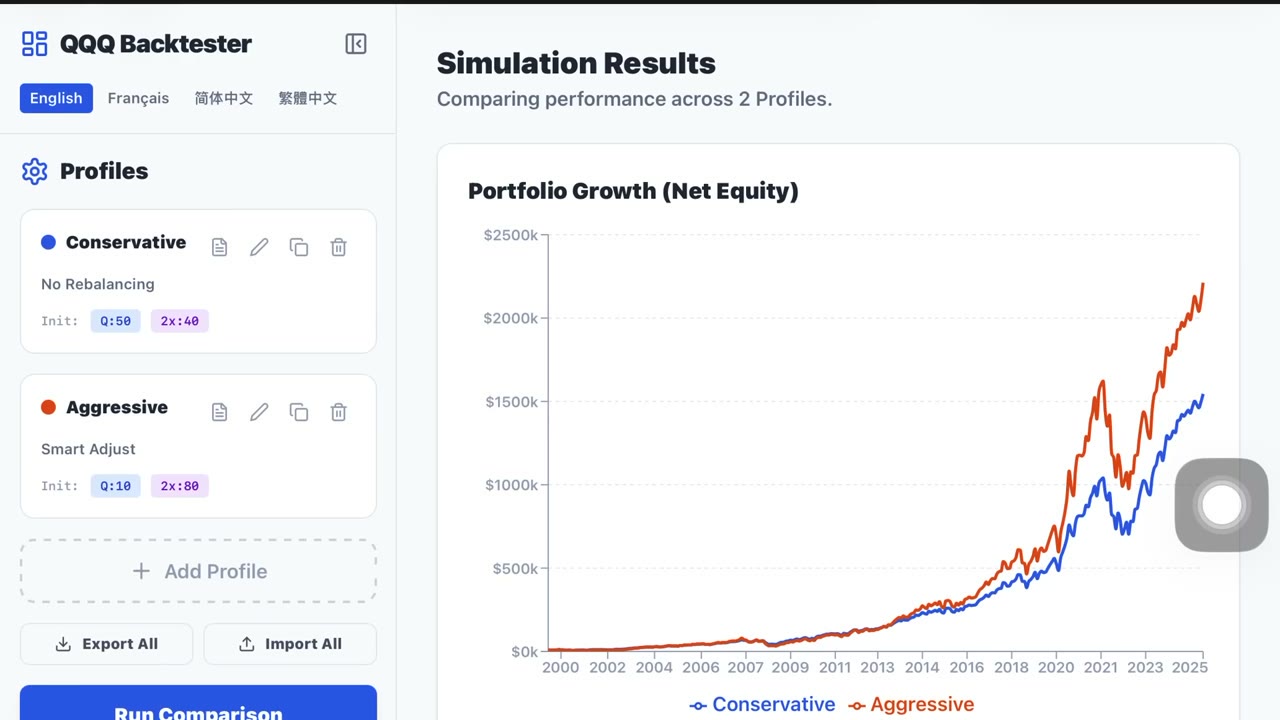
- When discussing asset selection, the speaker cites Nasdaq index funds and money market funds as examples serving growth-oriented and short-term funding roles.
Chapters
About 00:00:39 · The divide between economic sentiment and asset prices
The video asks why weak economic sentiment can coexist with rising stock and real-estate prices, then turns to the meaning of money for an explanation.
About 00:01:18 · The view of money as an IOU
The speaker describes money as an IOU or debt record supported by credit and uses the evolution of exchange media to explain the idea.
About 00:02:26 · The palace analogy and asset inflation
A hypothetical government palace and residents' huts illustrate the speaker's view of how money creation, higher prices, and credit expansion interact.
About 00:04:27 · Two cycles for cash and assets
The speaker contrasts people holding cash with owners of stocks, real estate, and other assets to explain the perceived effects on purchasing power and asset values.
About 00:05:40 · Growth assets and short-term funds
The video cites Nasdaq index funds and money market funds to illustrate the speaker's preference for growth exposure and a separate role for short-term funds.
Related Topics
money as an IOU, asset inflation, money and credit, cash purchasing power, asset ownership, growth assets, Nasdaq index funds, money market funds
This page was prepared with AI from selected portions of the video's audio to help readers understand the main topics. It may omit secondary material or contain transcription errors; the original video remains authoritative.