00030
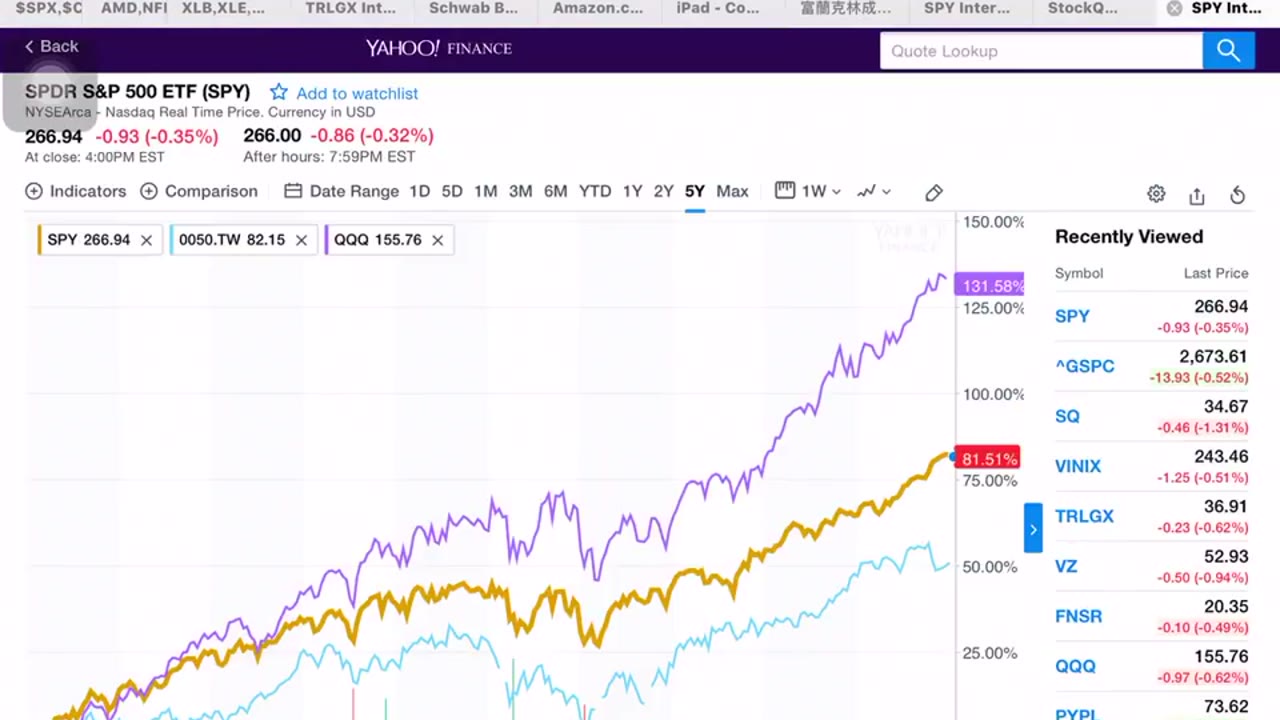
Investment Newsletter (2) Investment Newsletter Taiwan investors invest in US funds and US index performance
Long
Investment Newsletter (2) Investment Newsletter Taiwan investors invest in US funds and US index performance
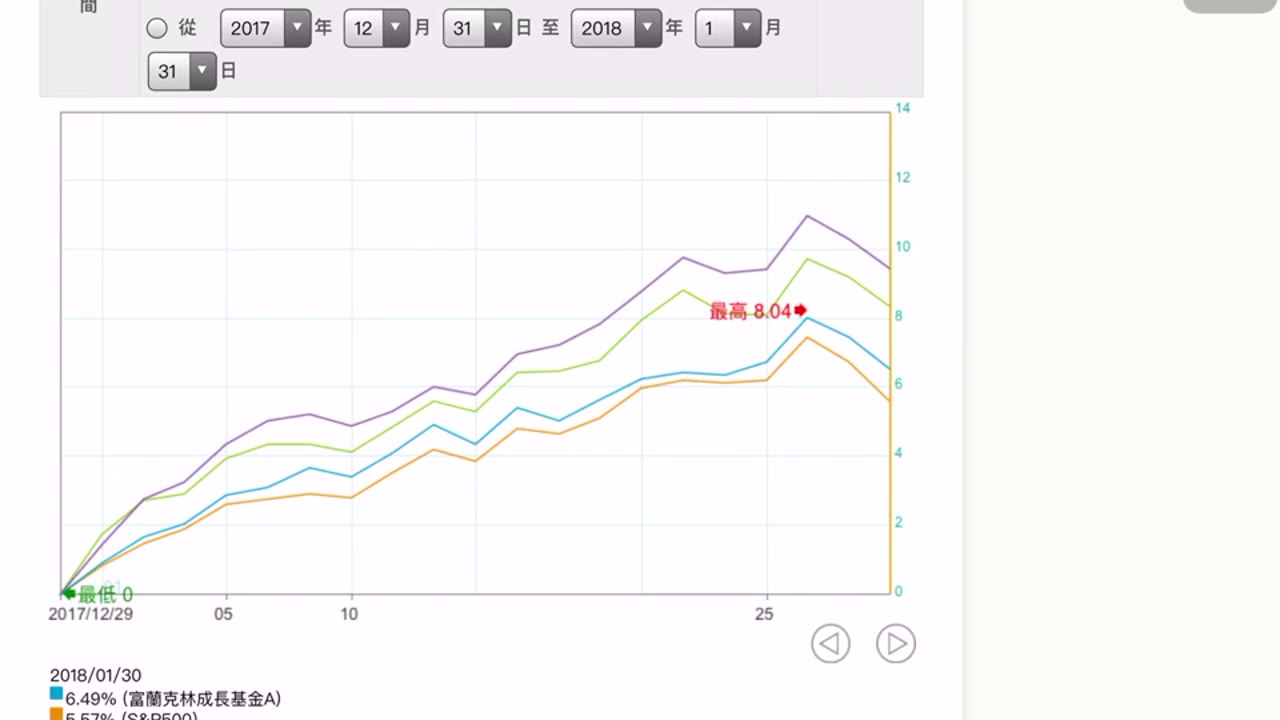
This January update reviews ways Taiwan investors can access local and U.S. markets, including 0050, SPY, QQQ, recurring fund purchases, switching costs, period returns, and technology-company earnings.
10:23
00028
Market Analysis (2) Is it enough to only buy the United States?
Long
Market Analysis (2) Is it enough to only buy the United States?
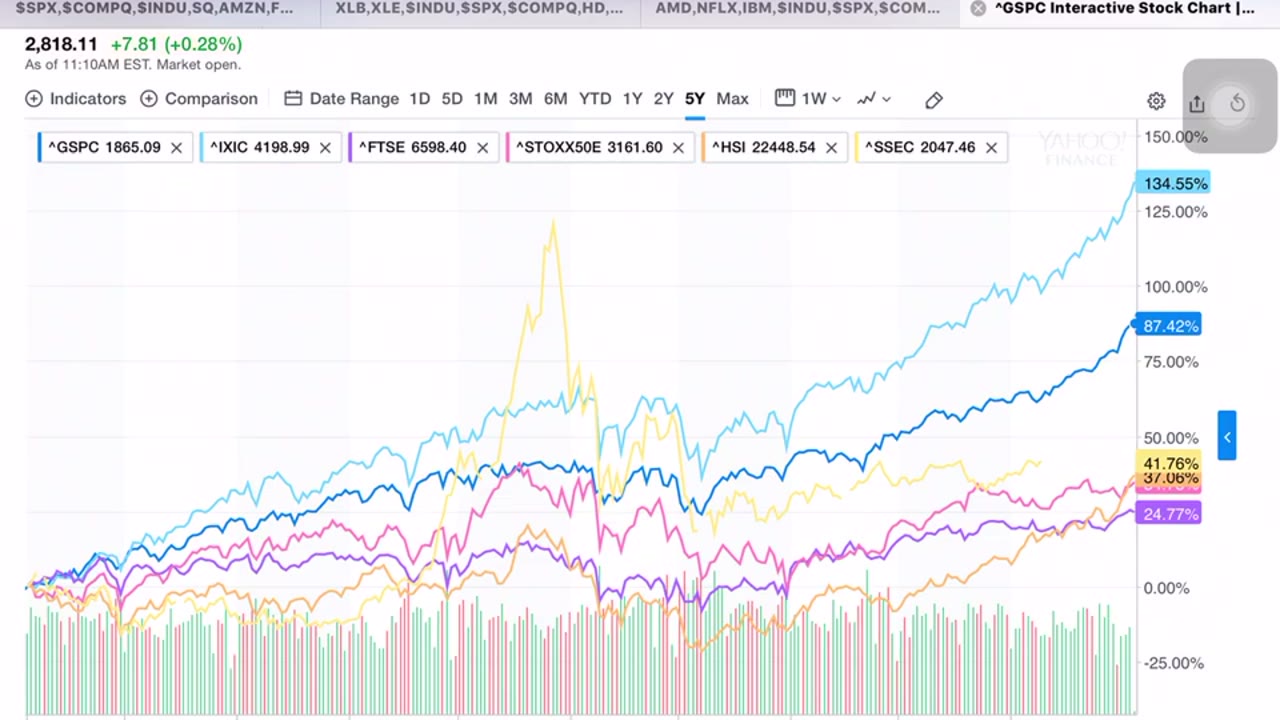
S&P 500 and NASDAQ performance is compared with Europe, Hong Kong, and China across several periods, followed by a discussion of regional rotation, taxes, fees, and long-term holding.
8:15
00023
Investing Essentials (4): Is a Stock Cheap? Evaluating Long-Term Value Through Free Cash Flow
Long
Investing Essentials (4): Is a Stock Cheap? Evaluating Long-Term Value Through Free Cash Flow
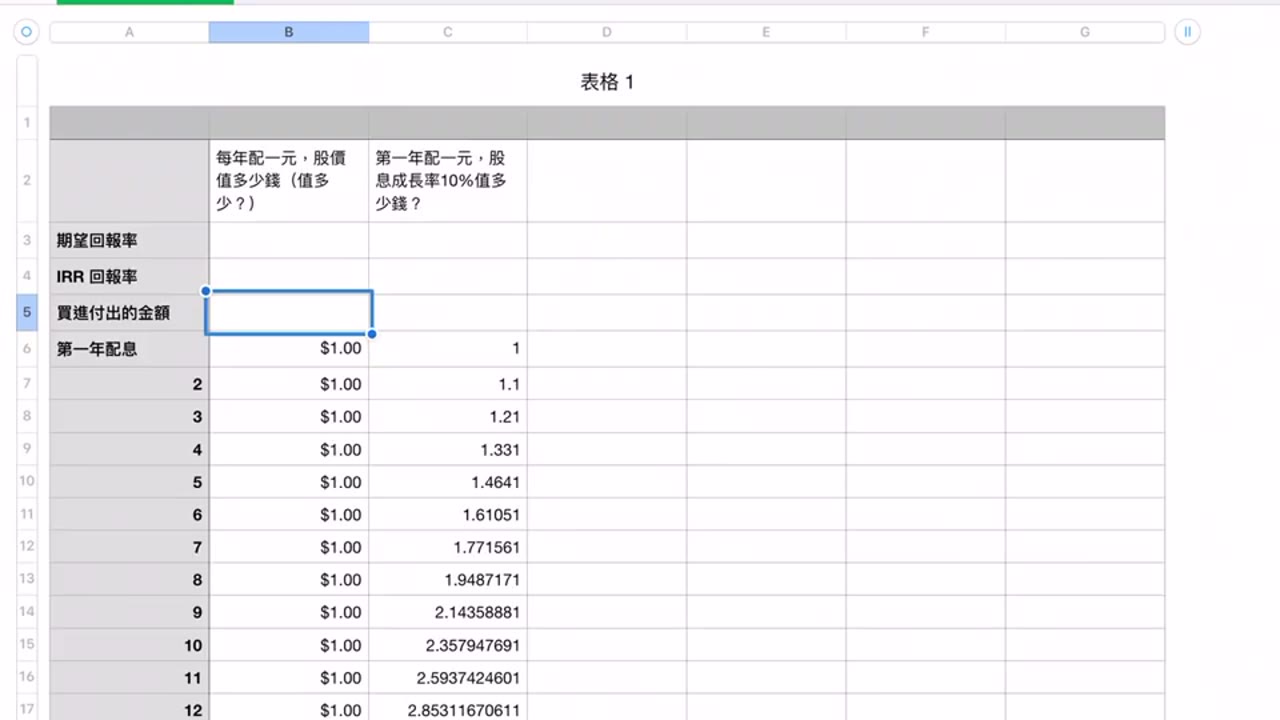
The lesson connects P/E ratios, required returns, discounting, operating cash flow, interest, capital spending, and free cash flow to long-term valuation examples involving SPY and Amazon.
28:41
00025
Investing Essentials (6) Discounted value of corporate free cash flow! Is Amazon expensive at $1300?
Long
Investing Essentials (6) Discounted value of corporate free cash flow! Is Amazon expensive at $1300?
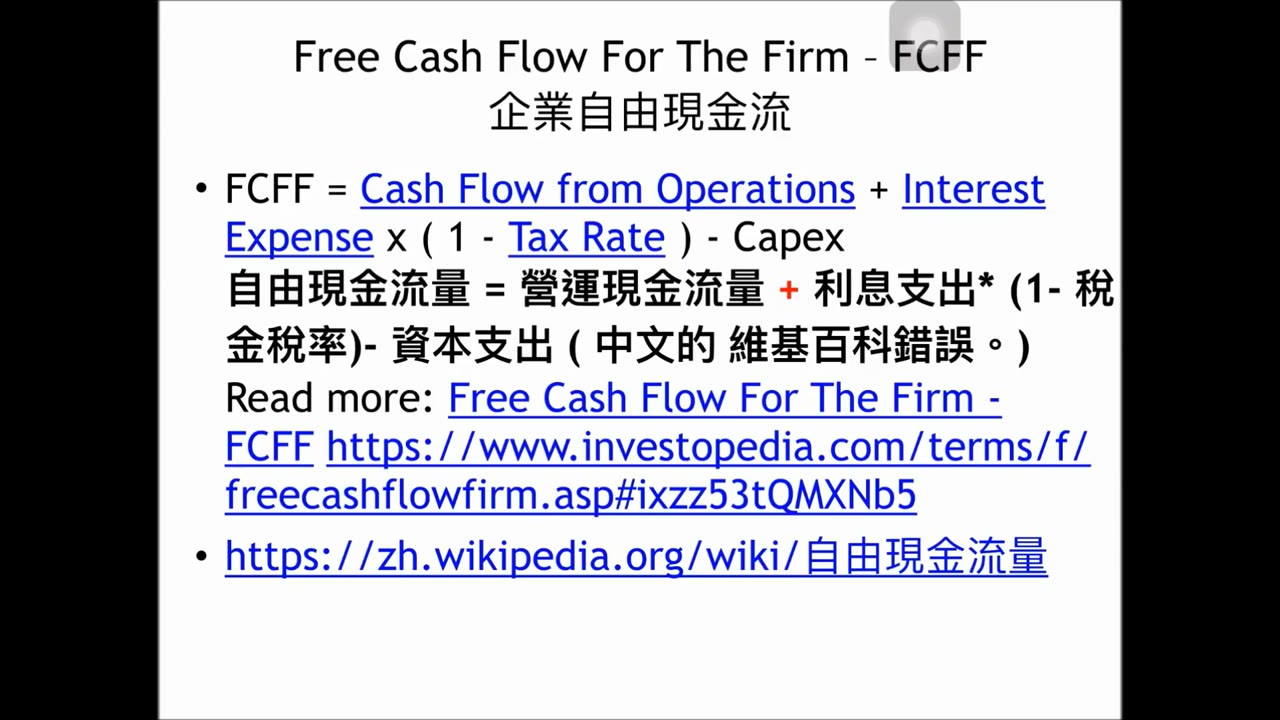
The lesson breaks down free cash flow, operating cash flow, after-tax interest, and required capital spending, then uses Amazon statements to build a per-share valuation scenario.
8:49
00024
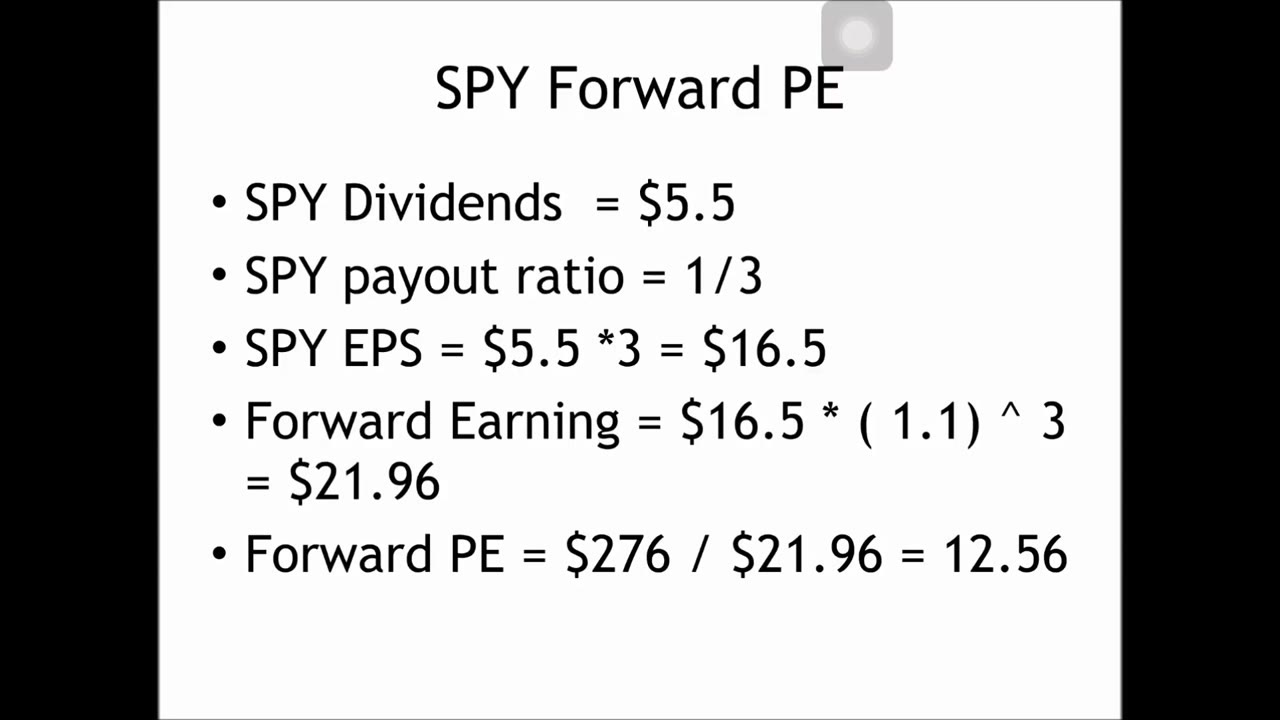
Investing Essentials (5) SPY and the investment value of each stock CLEC Investing and Personal Finance Academy
Long
Investing Essentials (5) SPY and the investment value of each stock CLEC Investing and Personal Finance Academy
Discounting, required return, and free cash flow are used to compare SPY and several stocks, with growth scenarios for Amazon, Apple, Square, and NVIDIA.
18:59
00022
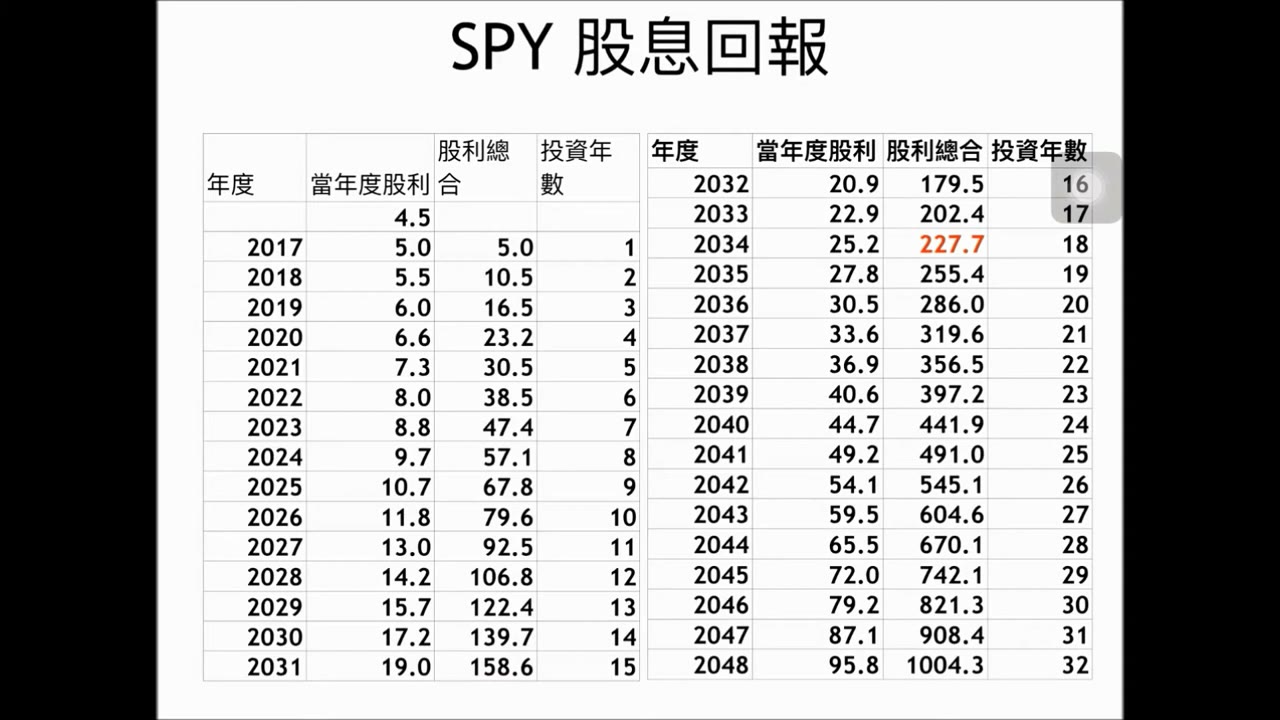
Investing Essentials (3): Planning for Early Retirement Without Depleting Your Savings
Long
Investing Essentials (3): Planning for Early Retirement Without Depleting Your Savings
The lesson connects long-term U.S. market returns and SPY dividend growth with retirement targets, starting age, monthly saving, compounding time, annual spending, and asset longevity.
12:38
00005
Market analysis (1) The stock market is still very reasonable
Long
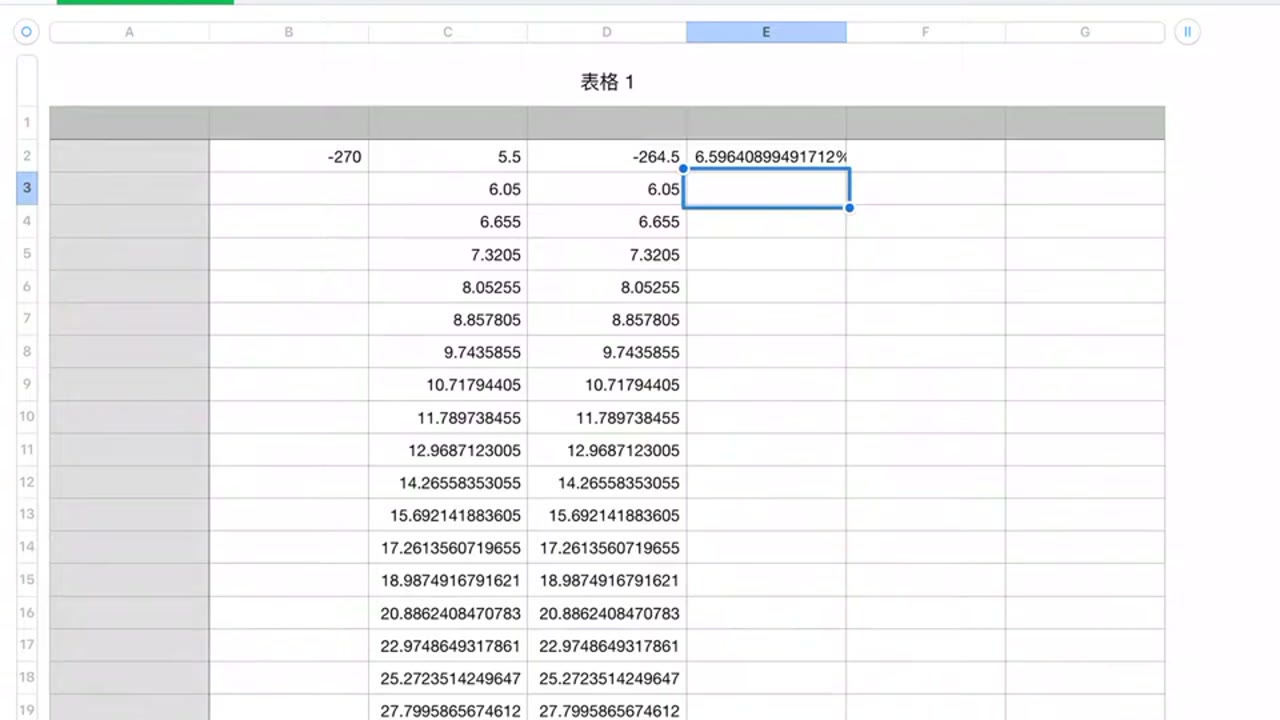
Market analysis (1) The stock market is still very reasonable
Historical market cycles, S&P 500 dividends and earnings assumptions, valuation estimates, and IRR scenarios are used to explain the speaker's market view and its dependence on forecasts.
12:56
00004
Investing Essentials (2): Why Insurance and Annuities Are Not Investments—and How to Evaluate Their Returns
Long
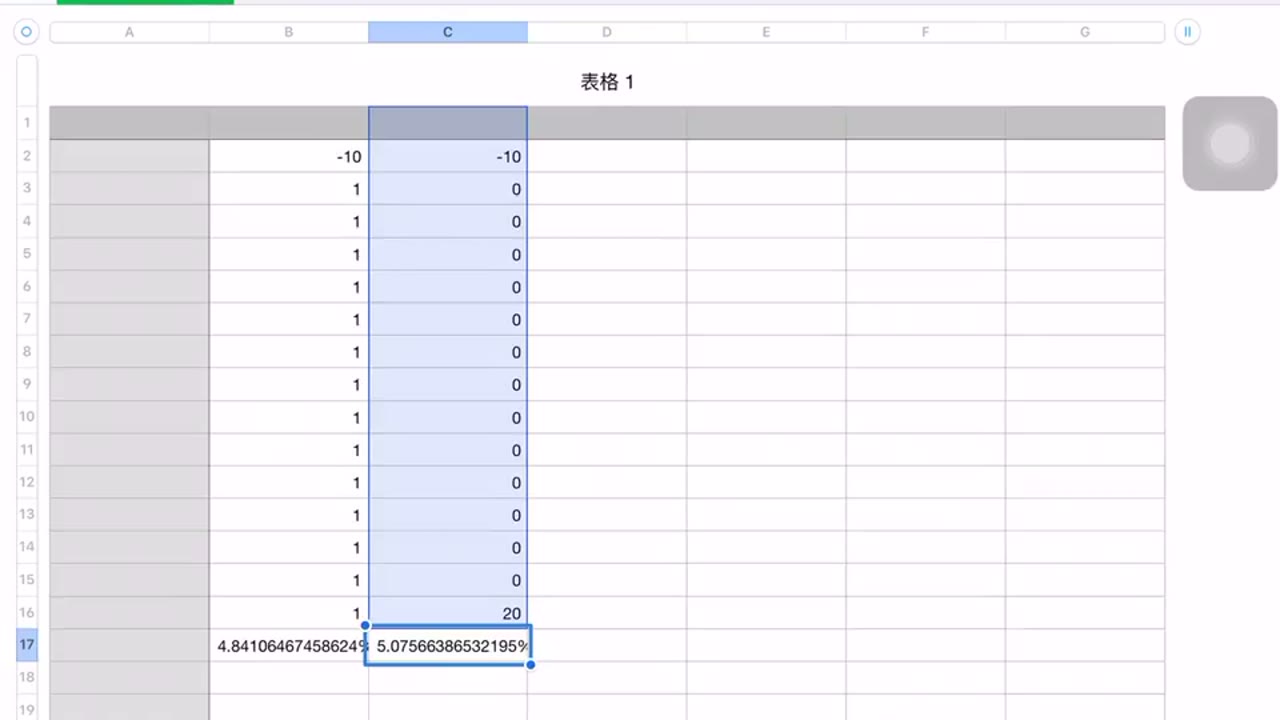
Investing Essentials (2): Why Insurance and Annuities Are Not Investments—and How to Evaluate Their Returns
An Excel IRR tutorial compares recurring payouts and lump-sum maturity benefits to show why total proceeds are not the same as an annualized return.
6:20
00003
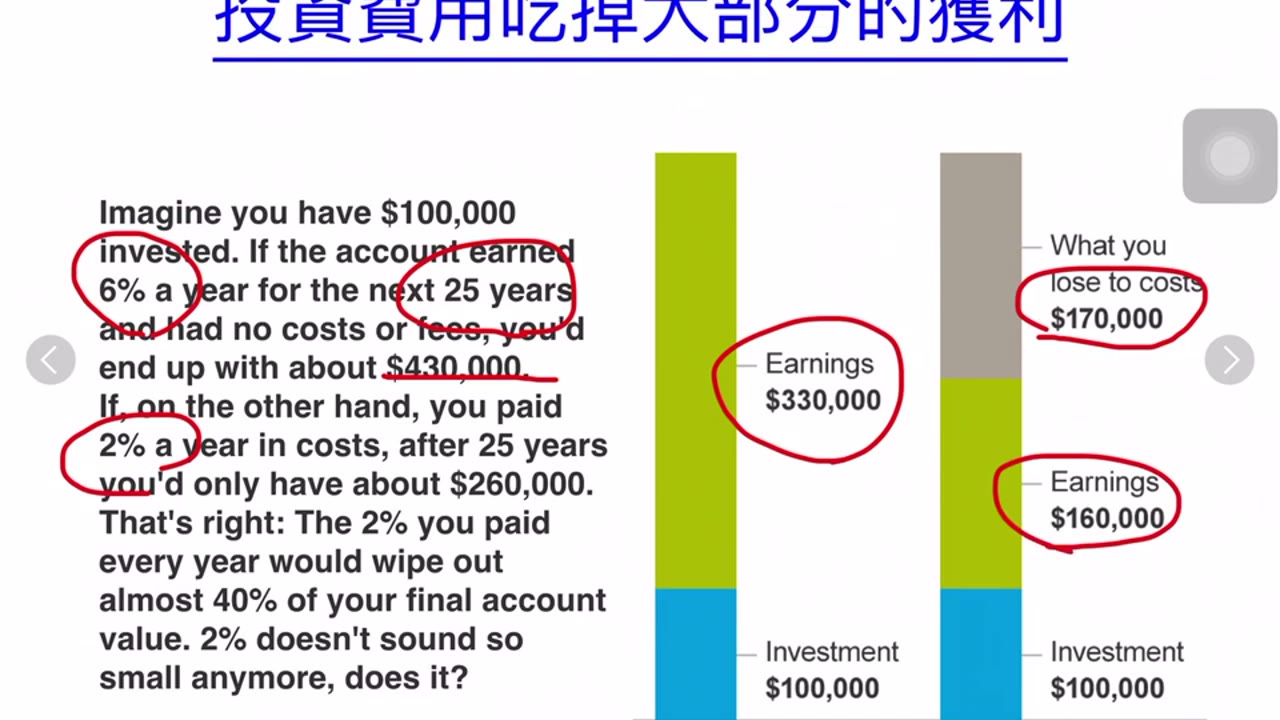
Investing Essentials (1): How Fees and Taxes Consume Investment Returns
Long
Investing Essentials (1): How Fees and Taxes Consume Investment Returns
Compounding examples show how management fees, trading costs, holding periods, and capital-gains taxes can reduce long-term wealth even when the headline return is unchanged.
6:49
00002
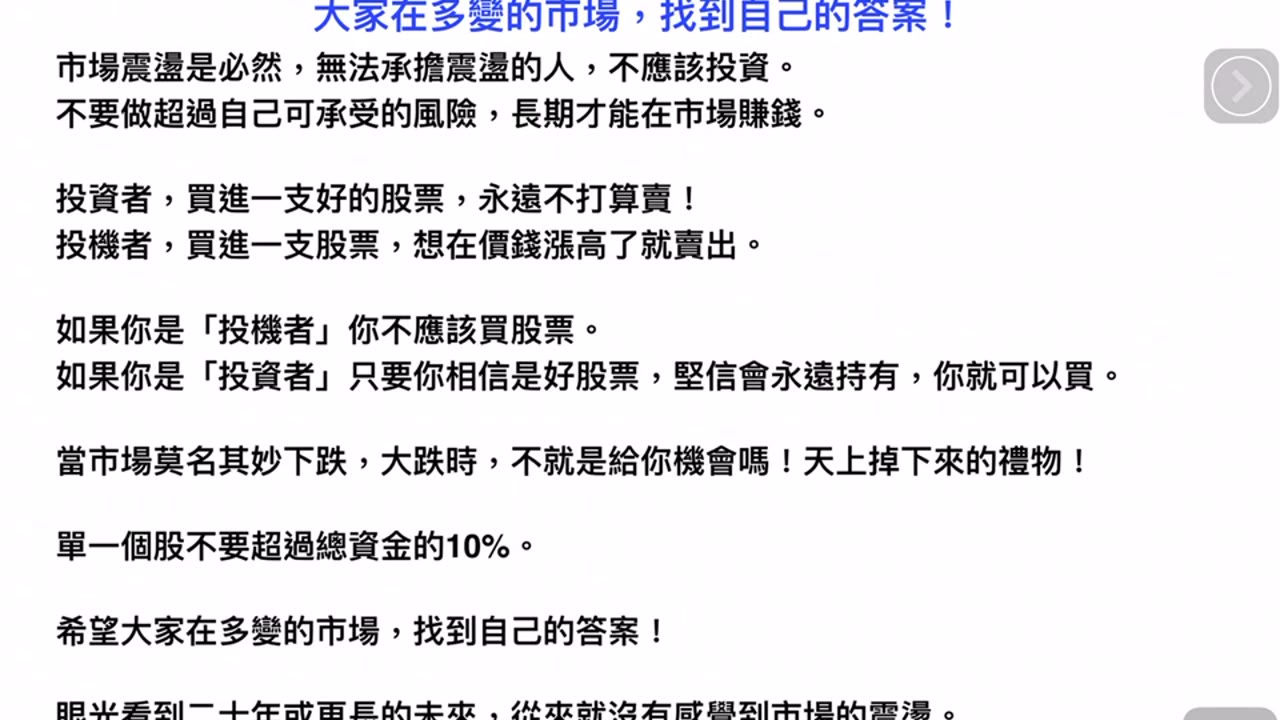
Investor Mindset (1): Finding Your Own Answers in a Changing Market
Long
Investor Mindset (1): Finding Your Own Answers in a Changing Market
A concise discussion of investment mindset, market volatility, risk tolerance, the distinction between investors and speculators, position sizing, and maintaining a multi-decade perspective.
1:12
00001
Investment Newsletter (1): December Edition
Long
Investment Newsletter (1): December Edition
This December update reviews annual index performance, the role of dividends in total returns, and Franklin growth and technology funds versus the S&P 500 and QQQ across several periods.
6:28