
00443
Buy now, don’t sell, borrow money and never pay it back, the impact of exchange rate on the country and individuals
Long
Buy now, don’t sell, borrow money and never pay it back, the impact of exchange rate on the country and individuals
Seven samples cover investing principles, bonds, rates, innovation, long-term investing, borrowing, funds, and travel. Trading, tax, and life choices remain attributed; exchange rates are not established.
2:28:32

00442
Using 250,000 to Control 12 Million in Assets—and Why AI Literacy Matters
Long
Using 250,000 to Control 12 Million in Assets—and Why AI Literacy Matters
A discussion of long-term investing, mortgage and securities-backed leverage, ChatGPT investment questions, black swans, falsifiable thinking, education, and family choices.
3:11:13
00441
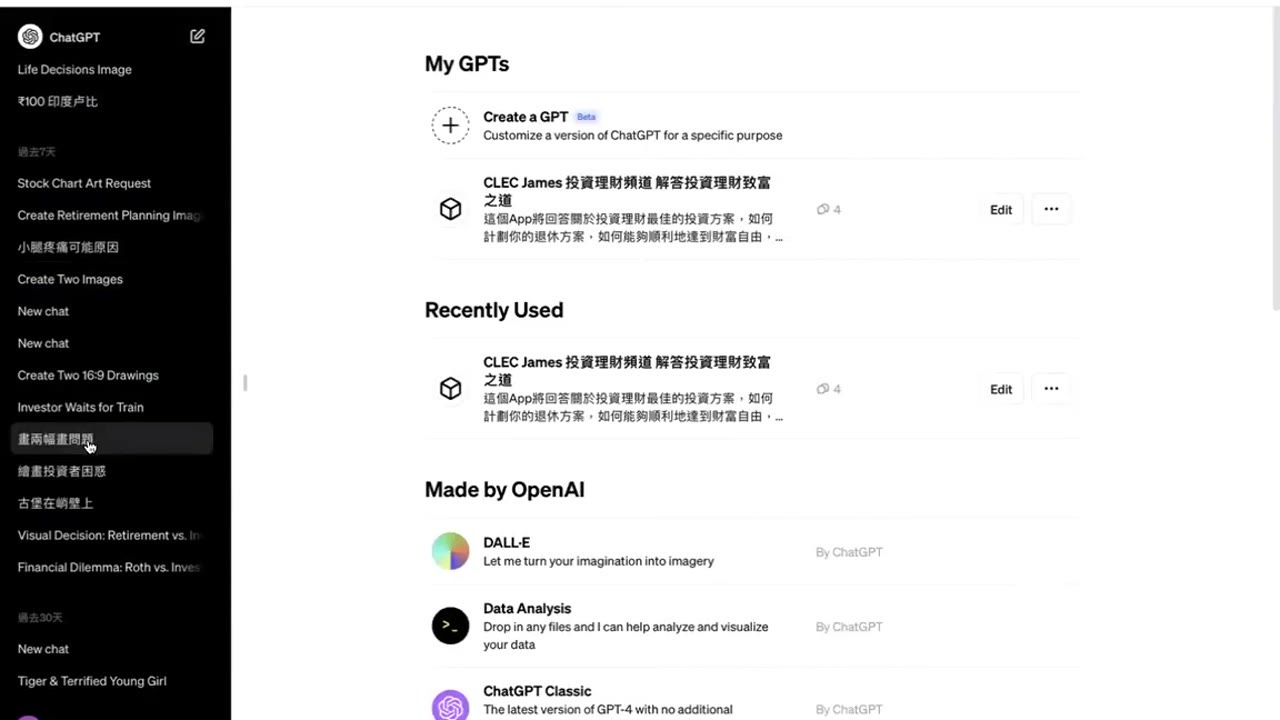
GPTs Are Live: A GPT-4 Plus Subscription Is Required for James’s Personal-Finance GPT App
Long
GPTs Are Live: A GPT-4 Plus Subscription Is Required for James’s Personal-Finance GPT App
The speaker demonstrates a no-code custom GPT using existing material, then tests retirement, index funds, real estate, hedging, and borrowing. Access reports and financial judgments remain attributed, not site guidance.
1:11:34
00440
Leaving the market is extremely risky: failure to earn returns when the market rises is a permanent loss
Long
Leaving the market is extremely risky: failure to earn returns when the market rises is a permanent loss
A discussion of long-term investing, correcting mistakes, stock and structured-product risk, retirement-account conversions, borrowing, withdrawals, and cash-flow pressure.
2:34:50

00439
High interest rates are the norm, and bond risks are very high (There is something wrong with the video recording. Please download the briefing to view the briefing materials.)
Long
High interest rates are the norm, and bond risks are very high (There is something wrong with the video recording. Please download the briefing to view the briefing materials.)
Topics include long-term stockholding, bond sales, the U.S. balance sheet, retirement, medical debt, insurance, 401(k)s, securities-backed borrowing, and credit. Views are attributed, not site guidance.
2:14:40
00438
Bonds are equally risky, and long-term bonds and corporate bond funds are extremely risky: life is short, and the time that belongs to you is your lifespan.
Long
Bonds are equally risky, and long-term bonds and corporate bond funds are extremely risky: life is short, and the time that belongs to you is your lifespan.
This discussion covers rates, stocks, index investing, selling, time, Bitcoin security, and AI. Bond risk is introduced but not explained; market and product claims remain attributed views.
2:05:38

00437
Selling is the beginning of trouble: those who cannot bear risks and losses cannot invest.
Long
Selling is the beginning of trouble: those who cannot bear risks and losses cannot invest.
Topics: long-term investing, FX losses, gains, retirement assets, insurance, and life-stage spending. Product terms, choices, and borrowing are speakers' views, not site advice; unclear codes and cutoffs are noted.
2:06:58

00436
Understanding one's ignorance is the beginning of knowledge: admitting one's ignorance about the market and giving up the operation is the beginning of understanding the market.
Long
Understanding one's ignorance is the beginning of knowledge: admitting one's ignorance about the market and giving up the operation is the beginning of understanding the market.
This discussion connects market uncertainty to overconfidence and short-term trading, then covers retirement, beta, rebalancing, priorities, democratic systems, and borrowing. All judgments remain attributed views.
2:13:02

00435
Life is not just about making money but also spending it: it’s good to be able to spend it until you have something left over
Long
Life is not just about making money but also spending it: it’s good to be able to spend it until you have something left over
This financial Q&A covers long-term investing, BIL and cash, recurring contributions, bond-purchase timing, supporting parents, information bias, and family risk. Views belong to the speakers, not this site.
2:41:56

00434
The market has risen thirteen times in thirteen years and has fluctuated for half of the time: don’t invest in bonds. Bond losses are greater than the market index. Bonds rise more slowly than the index and returns are lower.
Long
The market has risen thirteen times in thirteen years and has fluctuated for half of the time: don’t invest in bonds. Bond losses are greater than the market index. Bonds rise more slowly than the index and returns are lower.
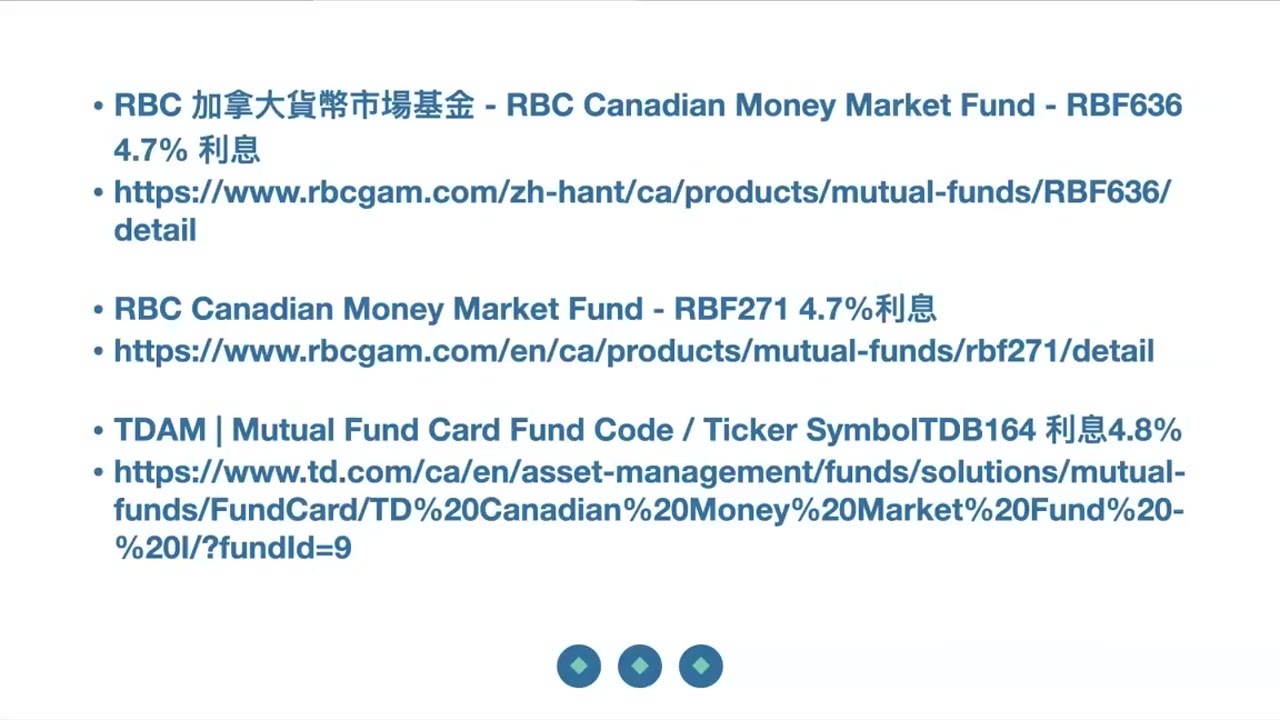
The video covers volatility, cash reserves, bonds versus QQQ, high rates, school choices, reading habits, and fact-checking. Investment and life judgments are the speaker's views, not site advice.
2:24:36
00433
The more spiritual energy you use money to generate, the richer you become. Long-term investment makes you rich, short-term speculation makes you old
Long
The more spiritual energy you use money to generate, the richer you become. Long-term investment makes you rich, short-term speculation makes you old
Covers long-term investing, scams, short-term trading, retirement projections, semiconductor policy, investor psychology, currency exposure, and rebalancing. These are the speakers' views, not this site's advice.
2:18:41
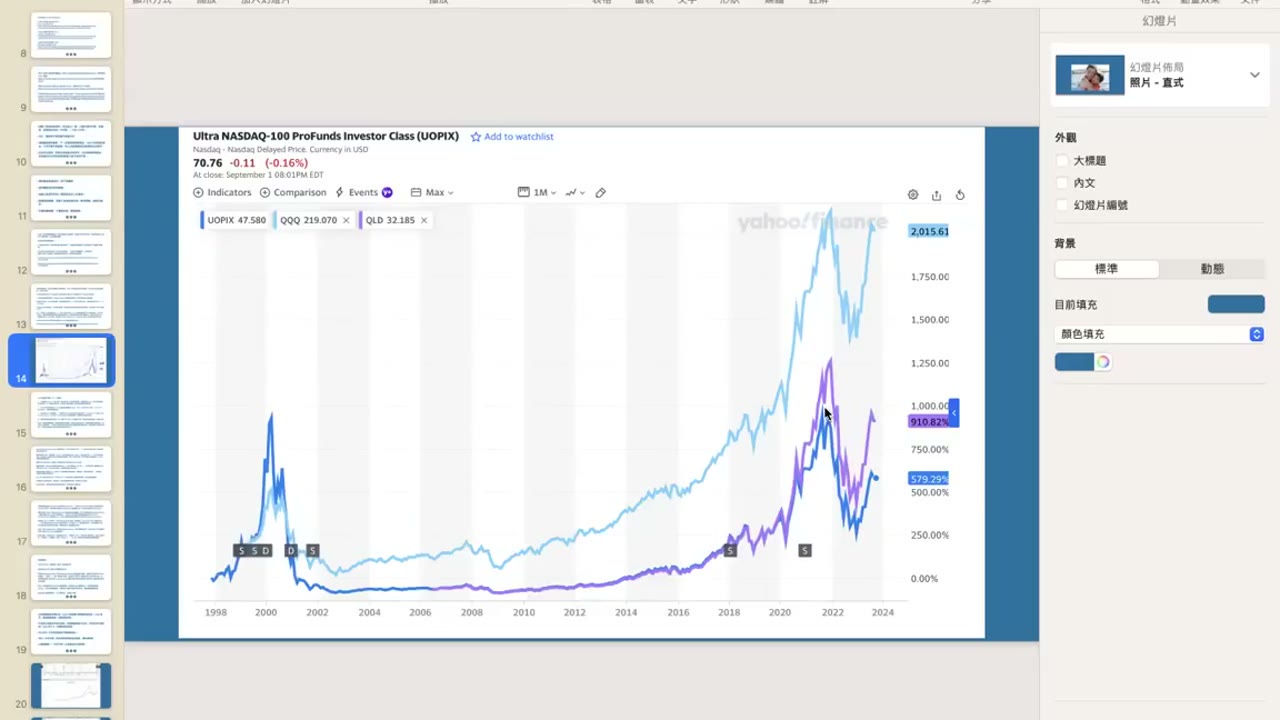
00432
Borrow money without paying back, without interest, and never have to pay taxes: making good use of financial tools can reduce risks and achieve the above goals
Long
Borrow money without paying back, without interest, and never have to pay taxes: making good use of financial tools can reduce risks and achieve the above goals
This seminar covers long-term investing, leveraged funds, cash management, beta, rebalancing, margin, and derivatives, plus the speaker's personal views on HSA and 529 accounts and borrowing.
1:52:06