00419
Whose foreign exchange deposits belong to you (please listen to the end): How to change your own destiny, the destiny of the nation from generation to generation
Long
Whose foreign exchange deposits belong to you (please listen to the end): How to change your own destiny, the destiny of the nation from generation to generation
A long online talk covers risk, questions, wealth, statistics, randomness, learning, inflation, and closing arrangements. The samples do not support extending title references to foreign-exchange reserves or destiny.
2:08:26
00418
The dream of getting rich and the fog of investment, the key to success and happiness
Long
The dream of getting rich and the fog of investment, the key to success and happiness
An educational discussion covers borrowing, cash flow, concentrated holdings, cash positions, timing, external risks, and family values. Samples do not support the title's broad claims, so this page does not extend them.
2:29:10
00417
(Listen to the end of the interview with AI after the video) Imagination creates wealth; a happy life available to everyone
Long
(Listen to the end of the interview with AI after the video) Imagination creates wealth; a happy life available to everyone
Selected segments discuss happiness and wealth, time horizons for price expectations, research, stock volatility, technology, and AI. The samples do not substantiate the title's claims, so this page does not extend them.
2:34:19
00416
How to turn garbage into assets: If you don’t sell your assets for the rest of your life, you won’t be able to use up all the money.
Long
How to turn garbage into assets: If you don’t sell your assets for the rest of your life, you won’t be able to use up all the money.
Selected segments cover educational context and investment risk, skepticism and pessimism, long- and short-term views, cash and assets, and questions about borrowing and moving abroad.
2:22:50
00415
Confession from a painful investor: Don’t come into contact with short-term speculators and famous people in the stock market. These are poisonous.
Long
Confession from a painful investor: Don’t come into contact with short-term speculators and famous people in the stock market. These are poisonous.
Starting with an investor letter, this video covers market stress, speculative media and scams, community support, leveraged funds, AI, information noise, and long-term discipline.
2:11:41
00414
Long-term stable and effective investment method: AI will bring huge development and investment opportunities to mankind, and the return will far exceed past historical performance.
Long
Long-term stable and effective investment method: AI will bring huge development and investment opportunities to mankind, and the return will far exceed past historical performance.
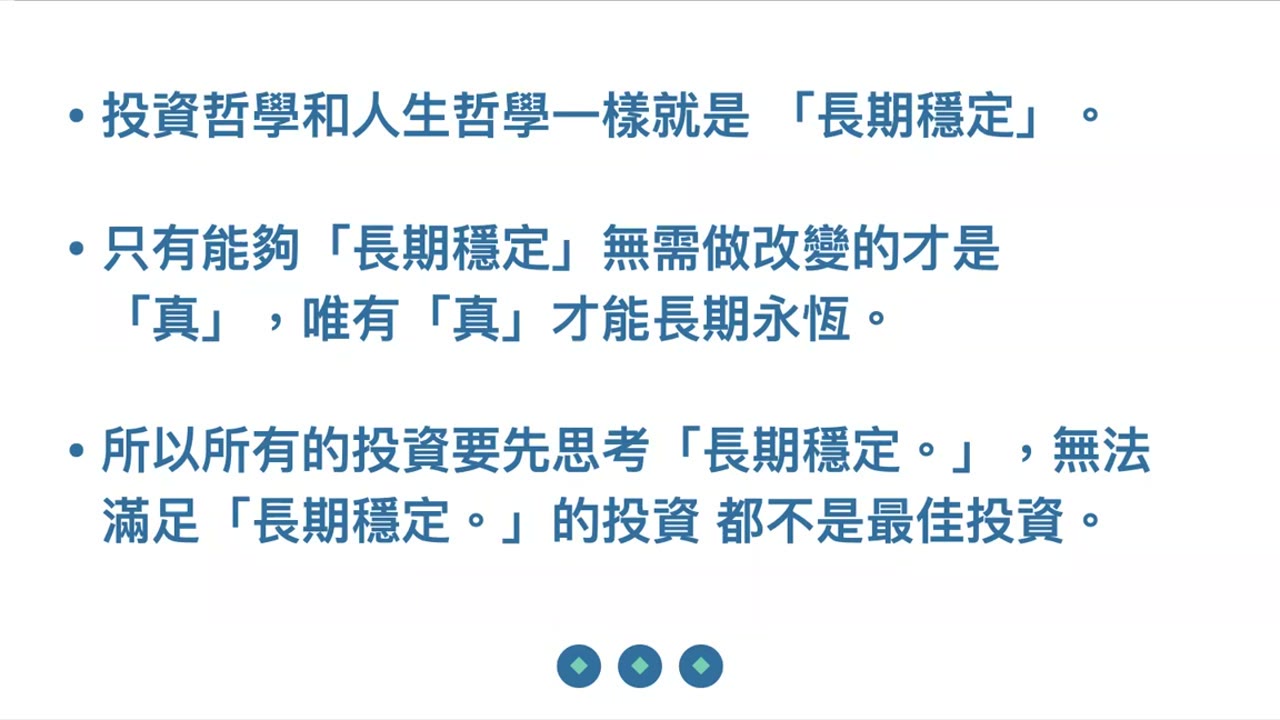
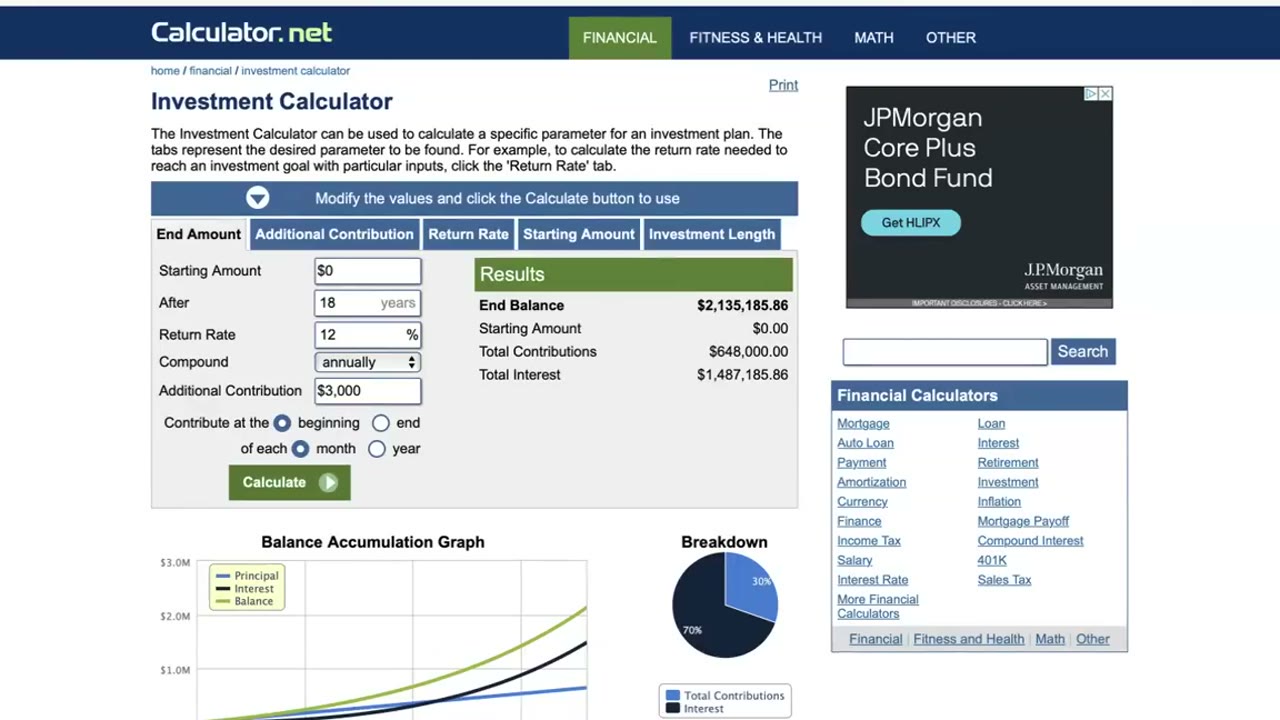
Segments cover risk, long-term views, Nordnet services, business qualities, portfolio changes, QQQ, AI, and questions. The title's opportunity and return claims lack complete support in the samples and are not extended.
1:55:34
00413
The biggest risk in retirement and the stupidest reason for investing: Investors hold assets rather than currency
Long
The biggest risk in retirement and the stupidest reason for investing: Investors hold assets rather than currency
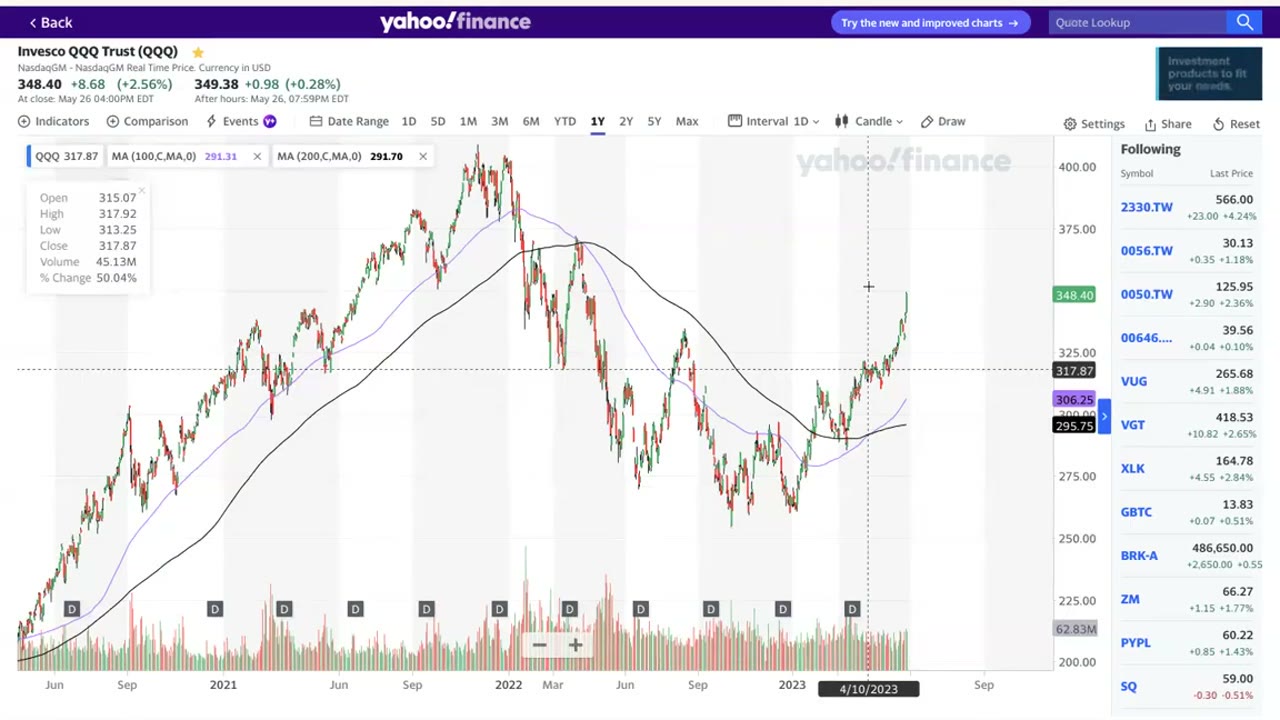
Audio covers investing education, QQQ price history, SPY and QQQ holdings and performance, emergency-reserve questions, workplace retirement accounts, and a closing invitation to audience discussion.
2:00:43
00412
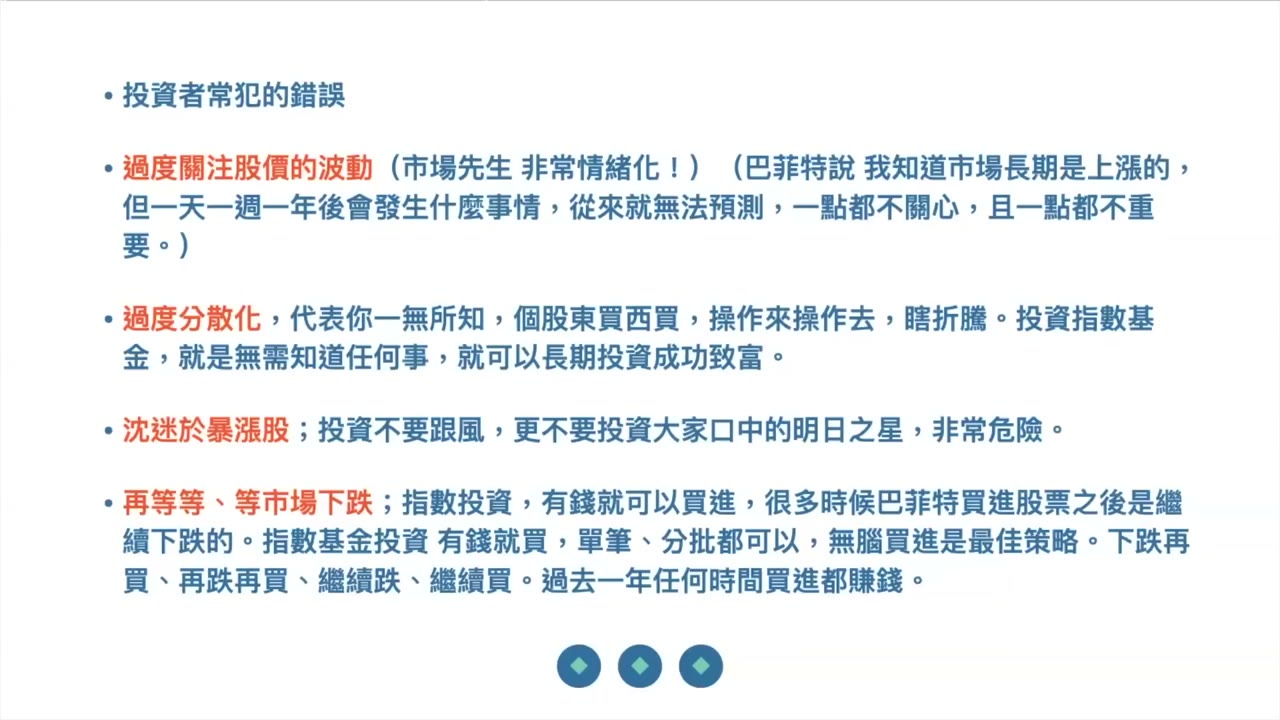
Long-term investment will slowly make you rich, and you will waste time and wealth by taking the wrong path. Common mistakes: paying too much attention to stock prices, over-diversification, being addicted to following the trend of skyrocketing stocks, and waiting forever.
Long
Long-term investment will slowly make you rich, and you will waste time and wealth by taking the wrong path. Common mistakes: paying too much attention to stock prices, over-diversification, being addicted to following the trend of skyrocketing stocks, and waiting forever.
Segments cover educational context, property questions, market-news narratives tied to price movements, bank liquidity, and sentiment. Title claims on diversification, soaring stocks, and waiting are not fully explained.
1:31:37
00411
Number one in long-term performance of index investing: Never lend money to anyone
Long
Number one in long-term performance of index investing: Never lend money to anyone
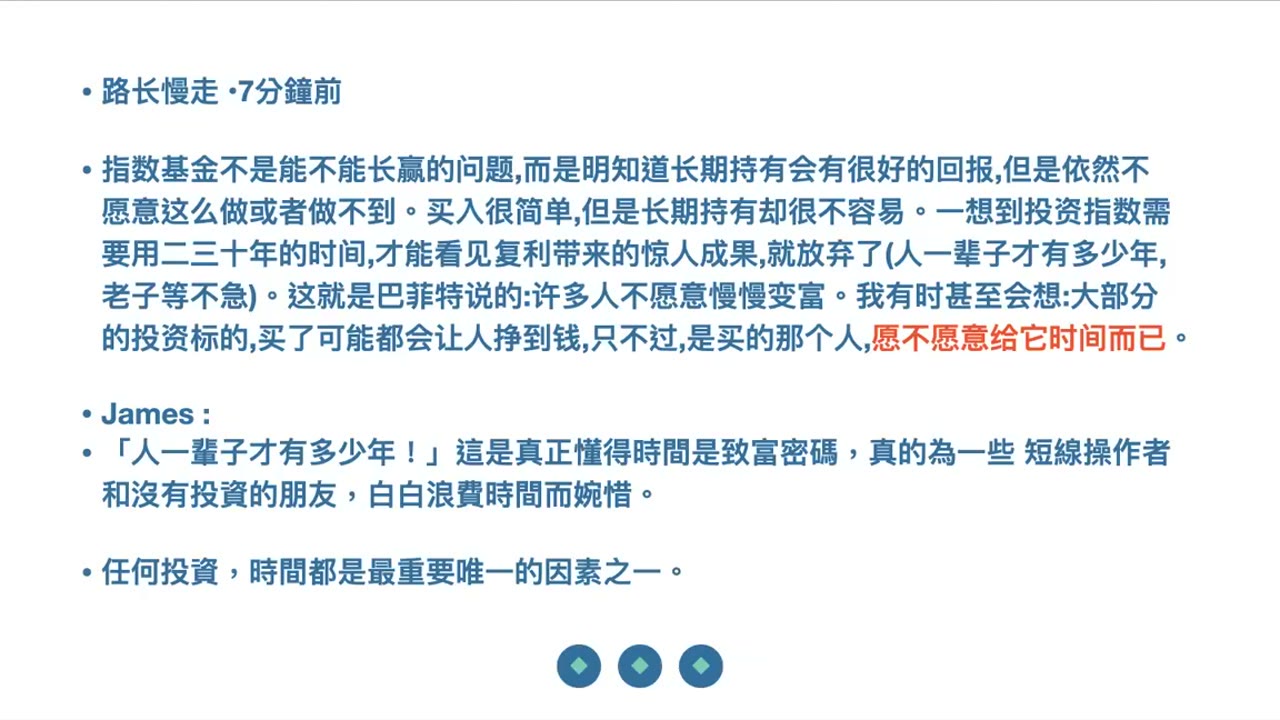
Excerpts cover educational risk framing, performance, borrowing, markets, retirement, ETF comparisons, technology, and scams. Remarks belong to speakers or participants and are not investment advice.
1:51:57
00410
Avoid losing investments, and winning investments will come naturally; optimistic people see opportunities, and pessimistic people lose them. CLEC Investing and Personal Finance Education
Long
Avoid losing investments, and winning investments will come naturally; optimistic people see opportunities, and pessimistic people lose them. CLEC Investing and Personal Finance Education
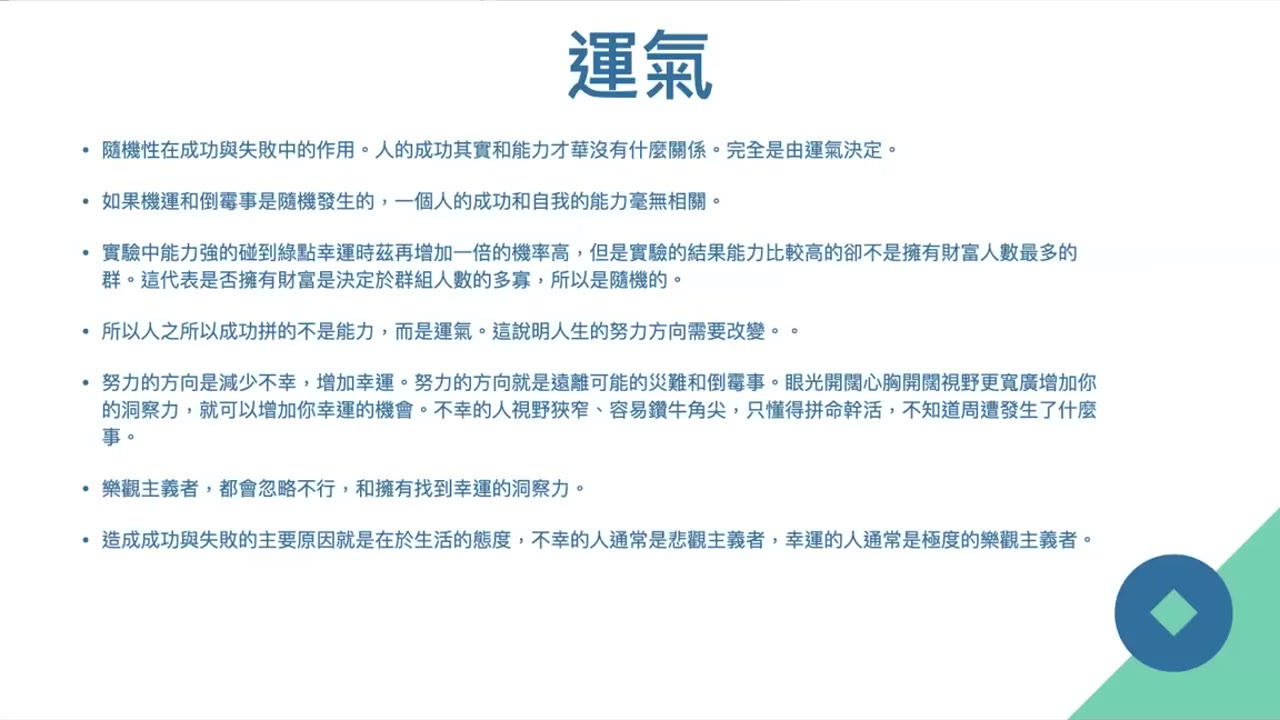
Selected segments cover investing education and risk, open-mindedness, optimism, effort and outcomes, single-stock volatility, QQQ holdings, and hypothetical disruptions. Market views belong to the speakers.
2:08:37
00409
Don’t invest if you cannot bear the risk of market decline; if you accept getting rich slowly, your life will be rich and happy.
Long
Don’t invest if you cannot bear the risk of market decline; if you accept getting rich slowly, your life will be rich and happy.
Selected segments examine risk tolerance, leveraged products, shifting risk awareness as markets rise, and fixed-allocation rebalancing. The speaker also links suitable market exposure to whether it disrupts sleep.
1:59:45
00408
Never follow the trend when investing: This is my hometown where you have peace of mind: wealth will come naturally if you have peace of mind
Long
Never follow the trend when investing: This is my hometown where you have peace of mind: wealth will come naturally if you have peace of mind
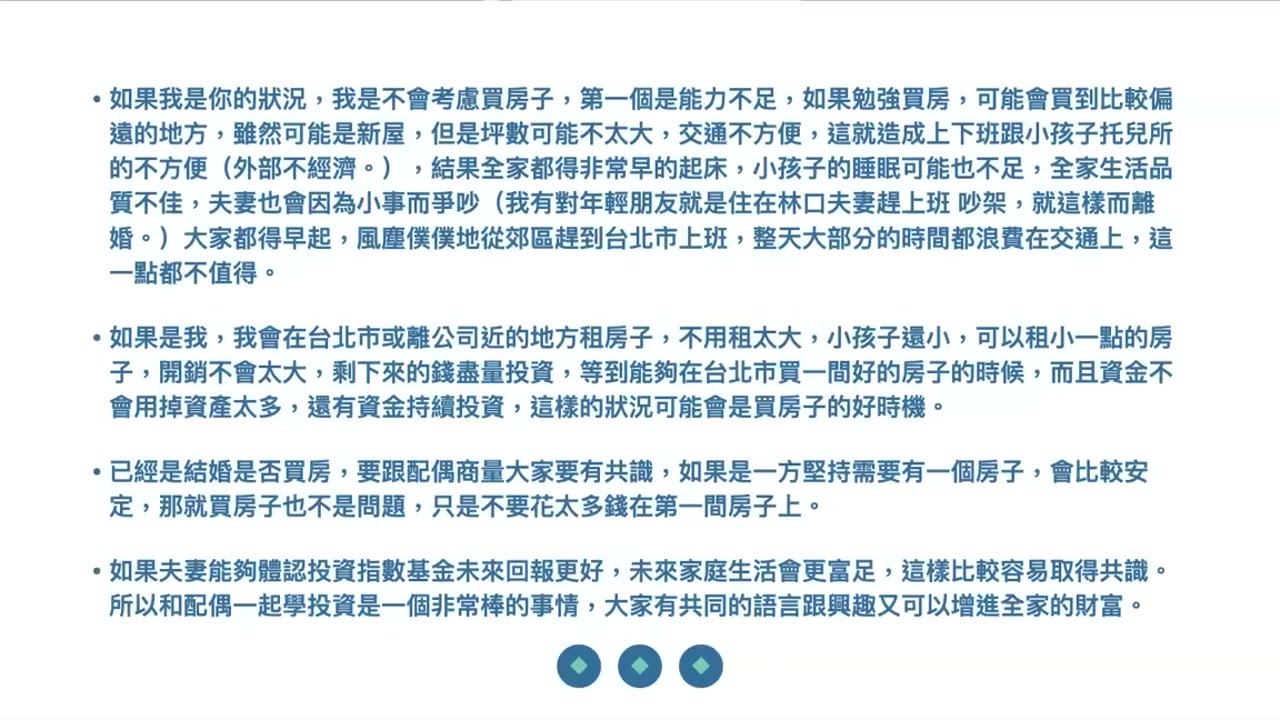
Selected segments cover investment risk, declining emergency reserves and borrowing, holding periods, self-directed investing, leveraged ETFs, short puts, and evidence for long-term asset claims.
2:00:45