
00500
The balance between asset appreciation and expenditure; spending money depends on the consideration of the asset
Long
The balance between asset appreciation and expenditure; spending money depends on the consideration of the asset
Seven non-contiguous samples cover market risk, wealth, homeownership, an investing dilemma, allocation questions, and views on AI. They do not represent the full video or provide investment, tax, or retirement advice.
2:54:29

00362
Renovation Debt, Retirement Goals, and Borrowing to Invest
Short
Renovation Debt, Retirement Goals, and Borrowing to Invest
A reader asks how much to invest while balancing renovation debt, living expenses, and retirement goals. The speaker first offers a retirement-planning framework, then advocates borrowing to buy an index fund.
5:46

00361
Family Spending, Leveraged Allocation, and Rebalancing Questions
Short
Family Spending, Leveraged Allocation, and Rebalancing Questions
A reader in Canada discusses family spending and community ideas, then asks about leveraged allocation, rebalancing across taxable and tax-advantaged accounts, and a regional investor group.
6:21

00361
Frustration With Work and Pay: A Reader’s Labor-and-Capital View
Short
Frustration With Work and Pay: A Reader’s Labor-and-Capital View
After a former classmate questions the payoff from hard work, a reader shares a labor-versus-capital view of investing. Claims about wealth and retirement remain personal opinions.
3:55

00361
Borrowed Funds, Leveraged Investing, and Market-Timing Concerns
Short
Borrowed Funds, Leveraged Investing, and Market-Timing Concerns
A reader plans to invest borrowed funds in a portfolio containing leveraged products but worries about a correction. The speaker rejects waiting and gives an unverified directive to buy.
2:18

00361
Political-Risk Questions About Cross-Border ETFs, Asset Access, and Currency
Short
Political-Risk Questions About Cross-Border ETFs, Asset Access, and Currency
A reader asks whether political change, financial restrictions, and social instability could affect a cross-border ETF. The speaker responds with views on property, assets, currency, and controllable risks.
5:55

00360
Housing an Aging Parent: Comparing Borrowing Options After a Home Purchase
Short
Housing an Aging Parent: Comparing Borrowing Options After a Home Purchase
A reader looks for suitable housing for an aging mother and asks how to fund a completed purchase. The speaker compares mortgage, personal, and securities-backed borrowing.
4:24

00359
Fiat Currency, Government Spending, and Views on the Money Supply
Short
Fiat Currency, Government Spending, and Views on the Money Supply
A student asks why money supplies grow. The speaker links fiat currency with sovereignty, taxes, public spending, and debt, then states a view on ignoring macroeconomic information when index investing.
2:50
00358
Retirement Contributions, Career Exploration, and Parental Support
Short
Retirement Contributions, Career Exploration, and Parental Support
A letter asks about retirement-account timing, layoff anxiety, and a teenager's choice of study. The speaker briefly favors early contributions but focuses on listening and independent exploration.
3:51

00358
Securities-Backed Borrowing, Short-Term Trading, and Early-Retirement Plans
Short
Securities-Backed Borrowing, Short-Term Trading, and Early-Retirement Plans
A reader describes securities-backed borrowing, leveraged trading, a home sale, and early retirement. The speaker rejects small trades; the results and forecasts are unverified.
4:32
00358
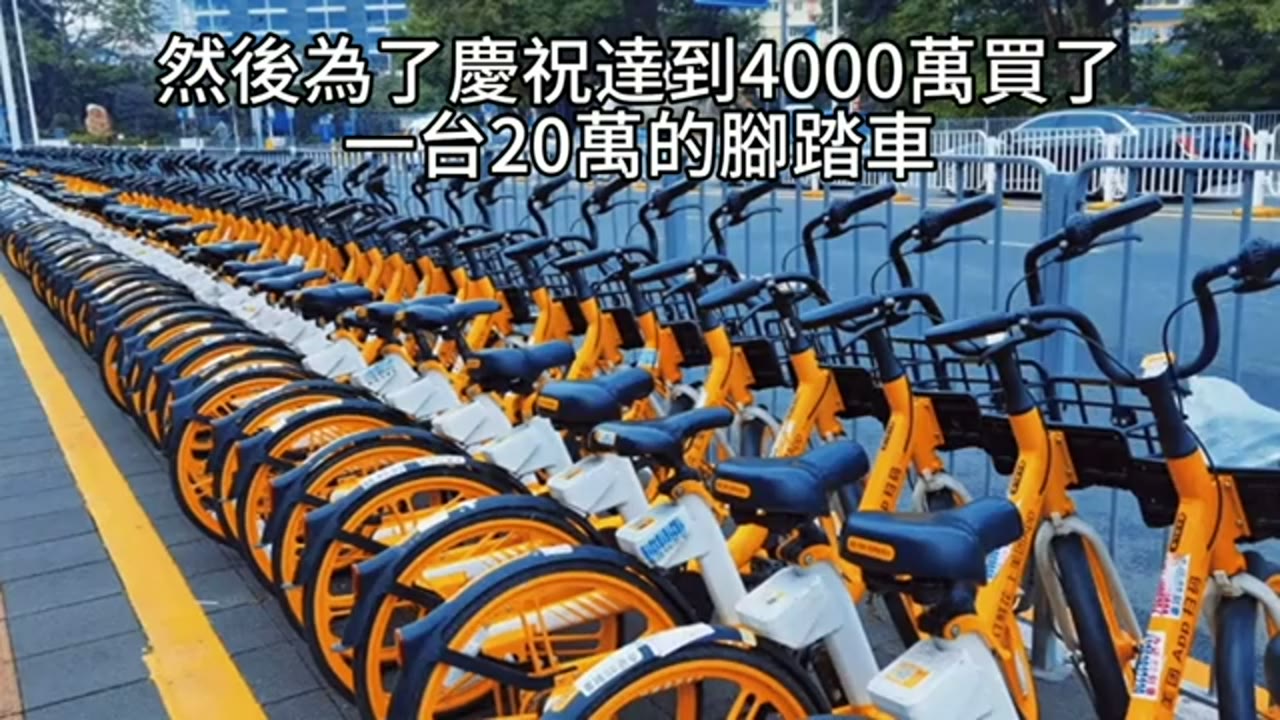
Spending Psychology, Experiential Consumption, and Securities-Backed Borrowing
Short
Spending Psychology, Experiential Consumption, and Securities-Backed Borrowing
A reader with substantial stock holdings hesitates over a new car and regrets an expensive bicycle. The speaker contrasts experiential and material spending and advocates securities-backed borrowing for consumption.
6:31

00358
Emerging-Market Investing: Fundamentals, Prices, and Market Efficiency
Short
Emerging-Market Investing: Fundamentals, Prices, and Market Efficiency
A reader asks why shares of strong Chinese companies can remain depressed. The speaker separates fundamentals from price and compares market efficiency in the United States and emerging markets.
3:20