
00407
Comparing Mega Backdoor, Roth 401(k), and Pledged Borrowing
Short
Comparing Mega Backdoor, Roth 401(k), and Pledged Borrowing
A single-income household compares Mega Backdoor contributions, a Roth 401(k), a brokerage account, and pledged-asset borrowing as education and retirement dates approach.
2:17

00407
Market Efficiency, Mispricing, and Emotional Control
Short
Market Efficiency, Mispricing, and Emotional Control
A comment exchange examines efficient pricing, the limits of recognizing mispricing, whether faster information changes market inefficiency, and how greed, fear, and emotional control shape investor behavior.
5:59

00507
The most precious thing in life is not money, but time; the truth about capitalism: How do finance and government trap people in labor traps?
Long
The most precious thing in life is not money, but time; the truth about capitalism: How do finance and government trap people in labor traps?
Samples cover risk disclosures, family caregiving, market tolerance, insurance and AI views, account conversion, and closing warnings. They do not represent the full video or offer investment, tax, or financial advice.
2:51:07
00406
From Avoiding Debt to Trying Pledged-Stock Borrowing
Short
From Avoiding Debt to Trying Pledged-Stock Borrowing
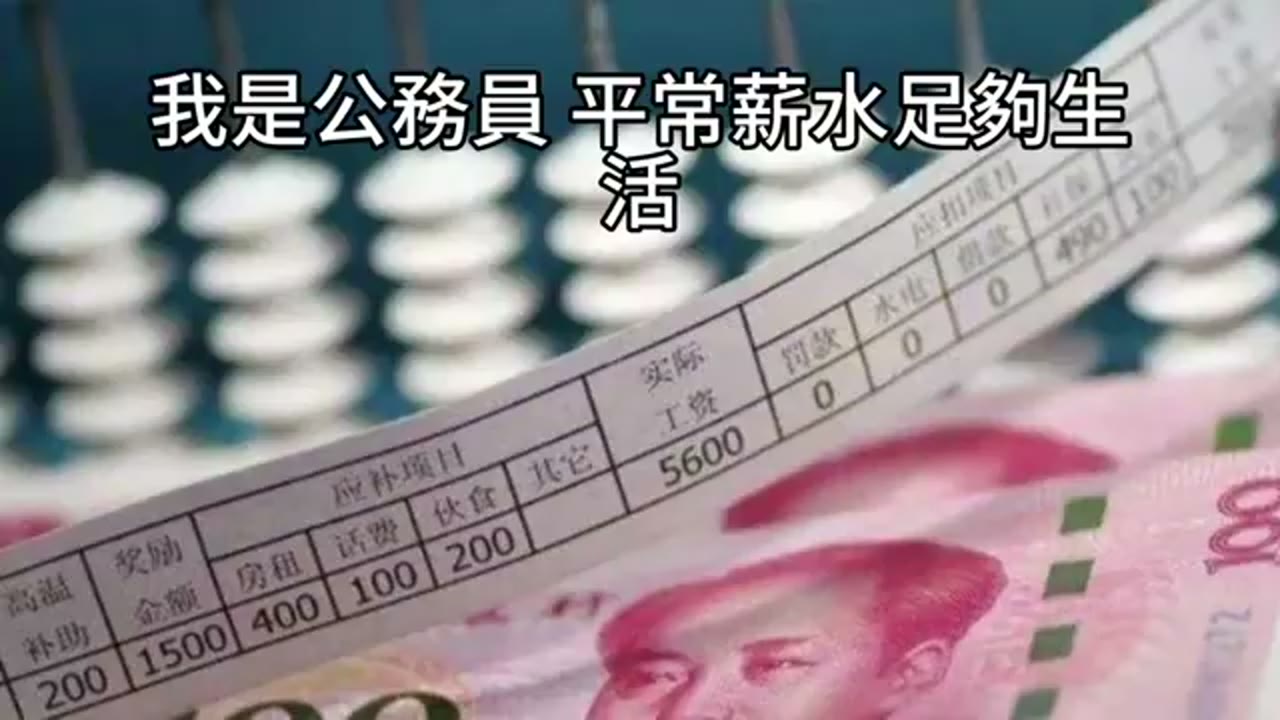
A public employee's letter traces a shift from avoiding debt to trying pledged-stock borrowing, building a hypothetical projection, and asking about 00662, 00670L, and funds for a child.
5:28

00406
Pledged-Asset Borrowing Rates and Roth 401(k) Choices
Short
Pledged-Asset Borrowing Rates and Roth 401(k) Choices
A letter raises questions about pledged-asset borrowing rates and retirement accounts, followed by the speaker's views on cash holdings, Roth 401(k), BrokerageLink, and QQQ.
3:24
00406
A Credit-Funded Investing Case: Three Allocations, Personal Conditions, and Risk
Short
A Credit-Funded Investing Case: Three Allocations, Personal Conditions, and Risk
A response about personal borrowing compares beta and cash holdings across portfolios using 00662, 00670L, and 00864B, then addresses a Taiwan-dollar time deposit, an emergency reserve, and debt in total assets.
5:04
00406
Family Investing and Trust Planning: From Emotional Tension to Long-Term Decisions
Short
Family Investing and Trust Planning: From Emotional Tension to Long-Term Decisions
Letters and replies explore reactions to market declines, banking and brokerage plans, mortgage and work changes, colleagues beginning to invest, financial education for a relative, and a trust for long-term support.
9:00

00405
Fund Allocation and Roth Conversion Tax Questions
Short
Fund Allocation and Roth Conversion Tax Questions
A letter asks how QQQ, TQQQ, and QLD should be handled across brokerage, Roth IRA, and Traditional IRA accounts, including leveraged-fund changes, rebalancing, and tax questions after a Roth conversion.
3:22
00405
A Retirement Case at 58: Home Equity, QQQ/BOX Allocation, and Living Expenses
Short
A Retirement Case at 58: Home Equity, QQQ/BOX Allocation, and Living Expenses
A 58-year-old writer weighs retirement at 63 using home equity, rental income, expenses, and cash assets. The response compares keeping the home with selling it and investing the proceeds.
3:51

00405
How Retirement Withdrawals Shape Asset Allocation
Short
How Retirement Withdrawals Shape Asset Allocation
A response to a prospective retiree distinguishes portfolios that must fund living expenses from those left untouched, covering dividend cash flow, an 80/20 allocation, rebalancing, and mortgage costs.
3:31

00405
Boundaries After Family Estrangement: Trusts, Retirement Funds, and Requests for Money
Short
Boundaries After Family Estrangement: Trusts, Retirement Funds, and Requests for Money
A series of letters and replies explores estrangement from an adult child, self-doubt, stress after renewed contact, letting go, a Living Trust, protecting retirement funds, and boundaries around requests for money.
9:41

00404
Financial Education at Home: Children, Housing, and Money
Short
Financial Education at Home: Children, Housing, and Money
A learning letter discusses teaching children about compounding and investing, adults' different reactions to long-term investing, financing a home for parents, and developing views on money, reading, and spending.
5:25