00383
Factors for investment success; the only thing you need to know about investing Is the market now fearful or greedy?
Long
Factors for investment success; the only thing you need to know about investing Is the market now fearful or greedy?
A discussion of investment success through time, patience, independent thinking, and cash flow, using fear and greed to frame defense and staged entry. It rejects tip-driven stock trades; SPY/QQQ views are the speaker's.
23:39
00382
The past will make you richer; the bottom will appear when you panic; buy and never sell to make the most money
Long
The past will make you richer; the bottom will appear when you panic; buy and never sell to make the most money
The samples do not establish the title's panic-bottom or never-sell claims. Topics include risk, technology stocks, short trades, a green-energy question, self-study, QQQ/SPY preferences, and a TQQQ grid-trading review.
2:33:09
00381
The closer to success, the darker the market becomes; successful investors need to be patient, and defense for non-professional investors is the best attack.
Long
The closer to success, the darker the market becomes; successful investors need to be patient, and defense for non-professional investors is the best attack.
A discussion of patience and defense during dark markets, covering loss tolerance, the pressure of borrowing to invest, relative lows, staged versus lump-sum entry, active-trading mistakes, and historical noise.
29:32
00380
Save more money and stick to long-term investments; be humble when facing the market; predictions are foolish; successful investors must adapt to stock market declines as opportunities
Long
Save more money and stick to long-term investments; be humble when facing the market; predictions are foolish; successful investors must adapt to stock market declines as opportunities
A discussion of saving, long-term investing, SPY/QQQ/cash allocation, rebalancing, long-duration bond risk, staged retiree exposure, dividend-yield valuation, and account checks. ETF switches are the speaker's views.
1:49:58
00379
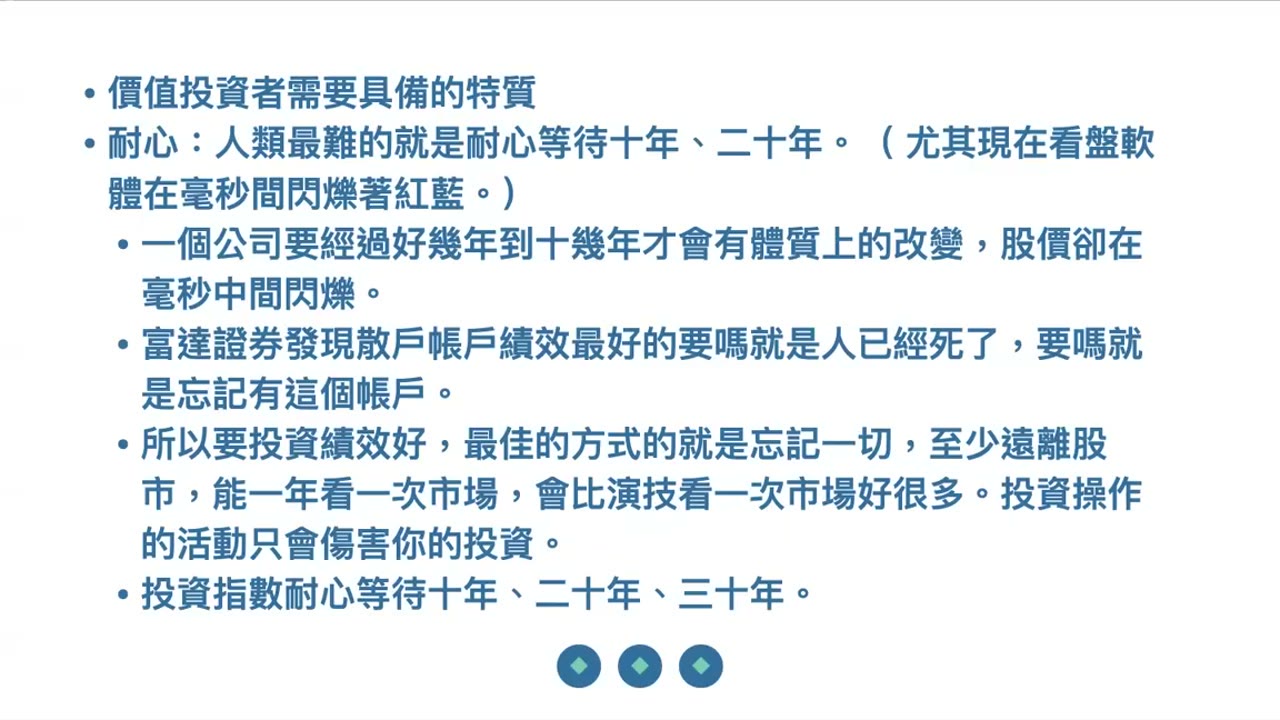
Seven levels of investment learning. Risks are unpredictable and can only be prepared in advance. Markets are always born out of despair.
Long
Seven levels of investment learning. Risks are unpredictable and can only be prepared in advance. Markets are always born out of despair.
The video frames investment learning as seven levels, though the samples do not fully name them. Topics include analysis, risk control, index holding, lower market attention, cash reserves, unknown risks, and conviction.
33:52
00378
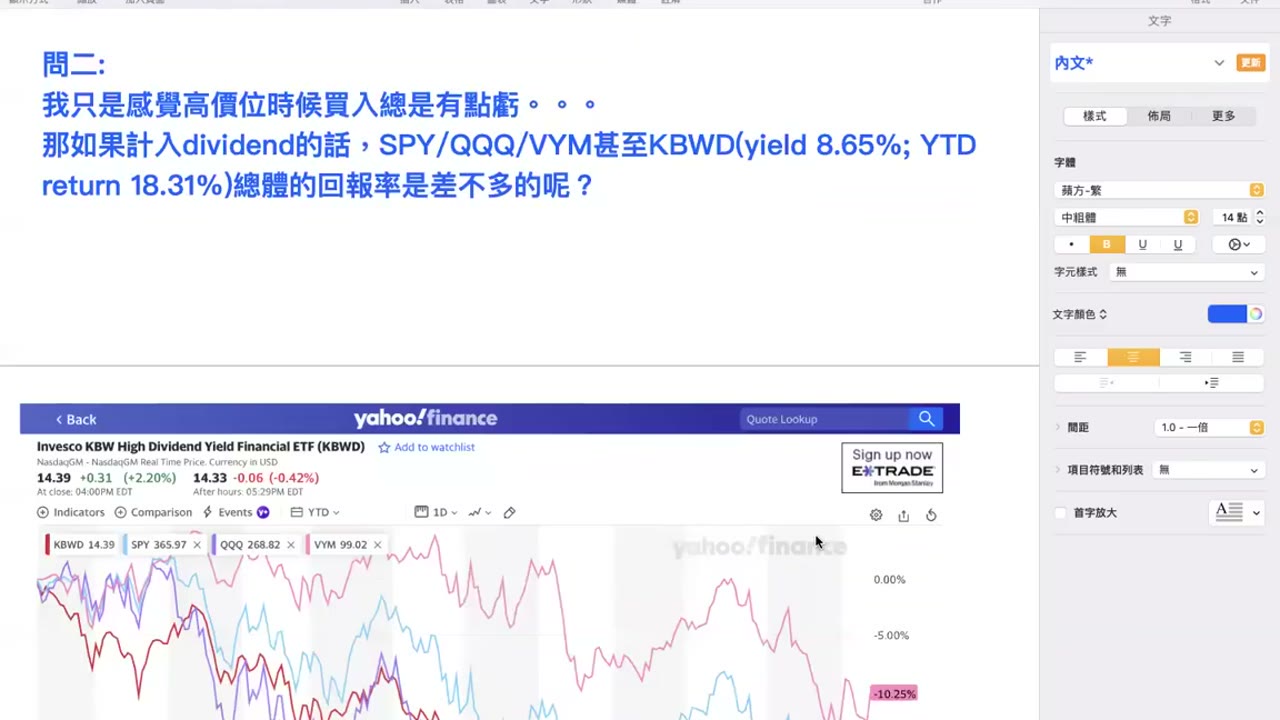
Dawn will eventually come and the market will rise! Provide higher return opportunities when the market is fearful and focus on long-term returns
Long
Dawn will eventually come and the market will rise! Provide higher return opportunities when the market is fearful and focus on long-term returns
A discussion of market fear and long-term returns, limits of bottom forecasts, index funds versus individual stocks, retirement plans, insurance products, employer-stock concentration, and company fundamentals.
2:03:04

00377
Market position and response methods; reduce losses when the market falls; seize opportunities for asset appreciation at market lows; respond to the occurrence of extreme market events; make the best preparations
Long
Market position and response methods; reduce losses when the market falls; seize opportunities for asset appreciation at market lows; respond to the occurrence of extreme market events; make the best preparations
A discussion of market position and extreme-cycle preparation, central-bank limits, optimism and fear, gradual cash reserves, bubbles, valuation growth assumptions, margin of safety, and panic-driven interpretation.
1:20:03
00375
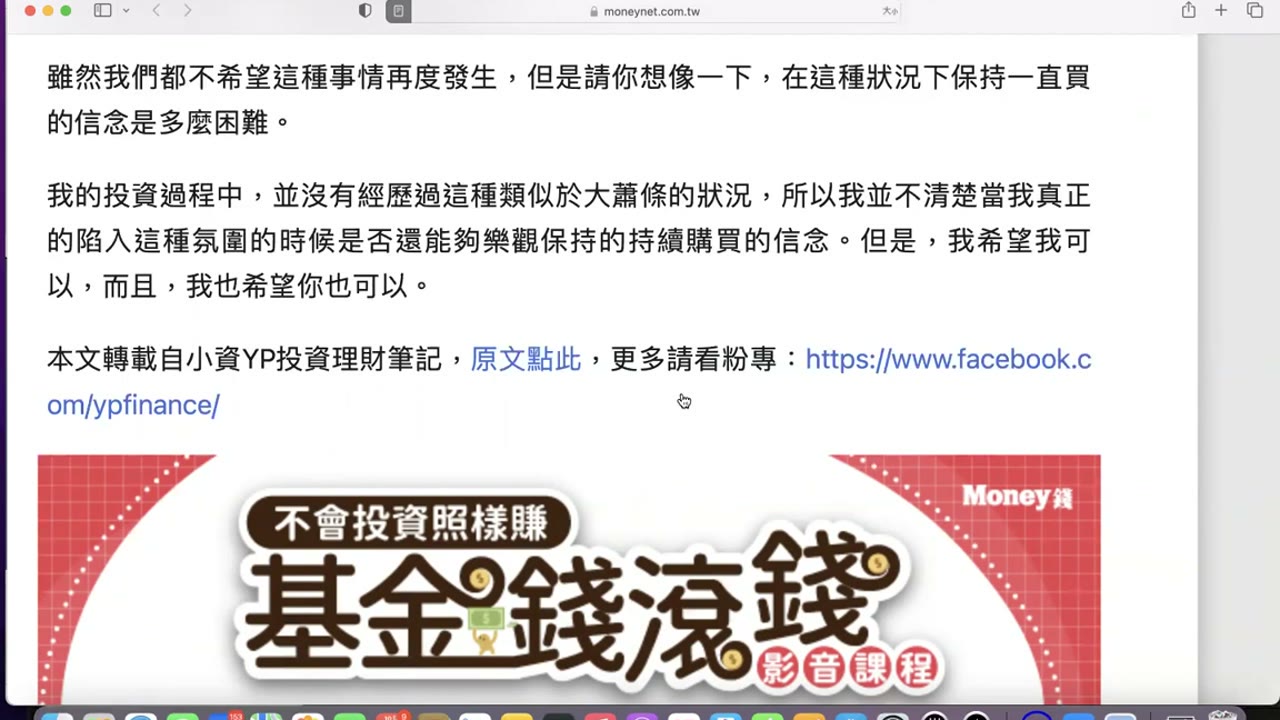
What should I do if I buy at a high price? Can I still buy it? Investment expert: Just keep buying. The best strategy to avoid risk is to maintain a high emergency reserve level
Long
What should I do if I buy at a high price? Can I still buy it? Investment expert: Just keep buying. The best strategy to avoid risk is to maintain a high emergency reserve level
A discussion of buying after a market high, emergency reserves, cash flow, leverage pressure, long-run expectations, retirement accounts, broker safety, fraud prevention, and separating funds into buckets.
2:13:16
00376
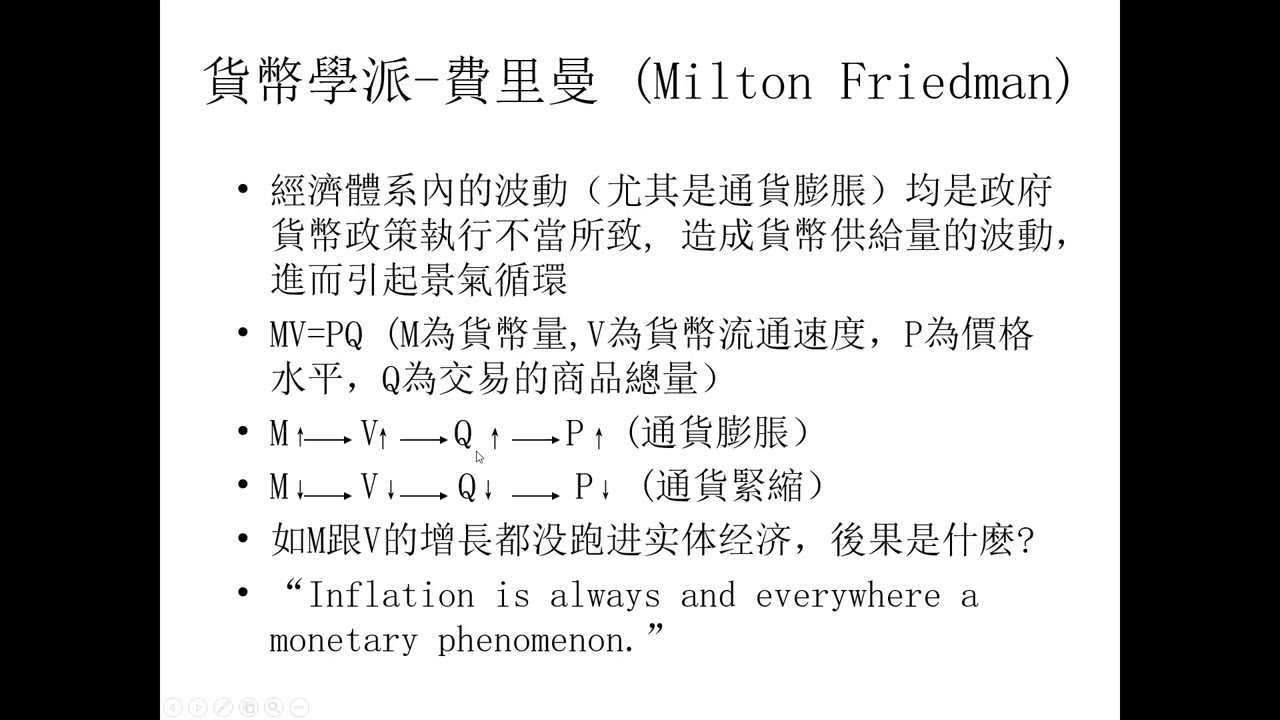
The relationship between business cycle and stock market cycle Lecturer Tony Chen
Long
The relationship between business cycle and stock market cycle Lecturer Tony Chen
Tony Chen explains links between business and stock-market cycles, covering inflation, rates, recession, inventory, capital spending, credit, sentiment, cash positioning, sector rotation, and valuation assumptions.
3:06:50
00374
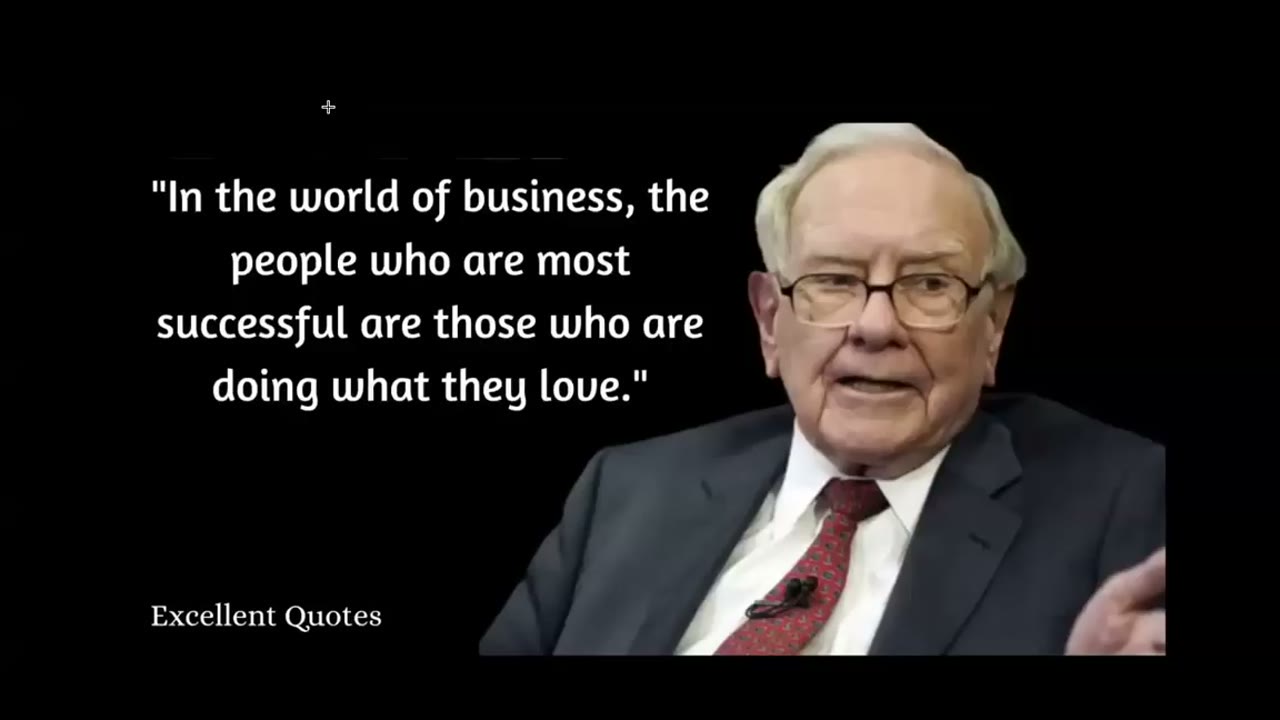
The resilience of the market; the market is always volatile, just ignore it
Long
The resilience of the market; the market is always volatile, just ignore it
A sampled guide to market and business resilience, staged investing, driver-assistance execution, long-dated option costs, Buffett-style contrarian thinking, and controllable versus uncontrollable events.
1:52:32
00373
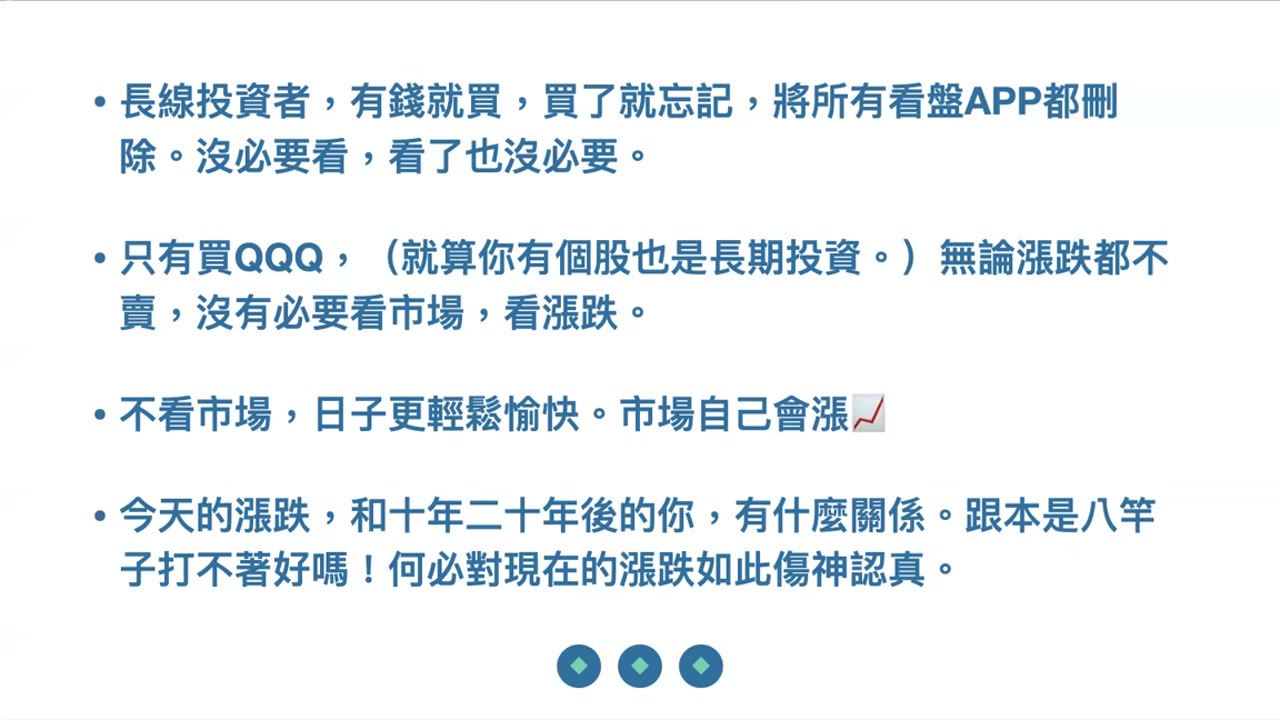
Market fluctuations are opportunities. If you have money, buy rather than sell. The current fluctuations have nothing to do with you twenty years from now. Remove your market-reading software APP and you will be relaxed and happy without doing stupid things.
Long
Market fluctuations are opportunities. If you have money, buy rather than sell. The current fluctuations have nothing to do with you twenty years from now. Remove your market-reading software APP and you will be relaxed and happy without doing stupid things.
The video covers cash-flow stress tests, long horizons, deleting market apps, staged investing, deposit ladders, stock understanding, index volatility, and the speaker's strong buy-and-hold stance.
46:26
00371
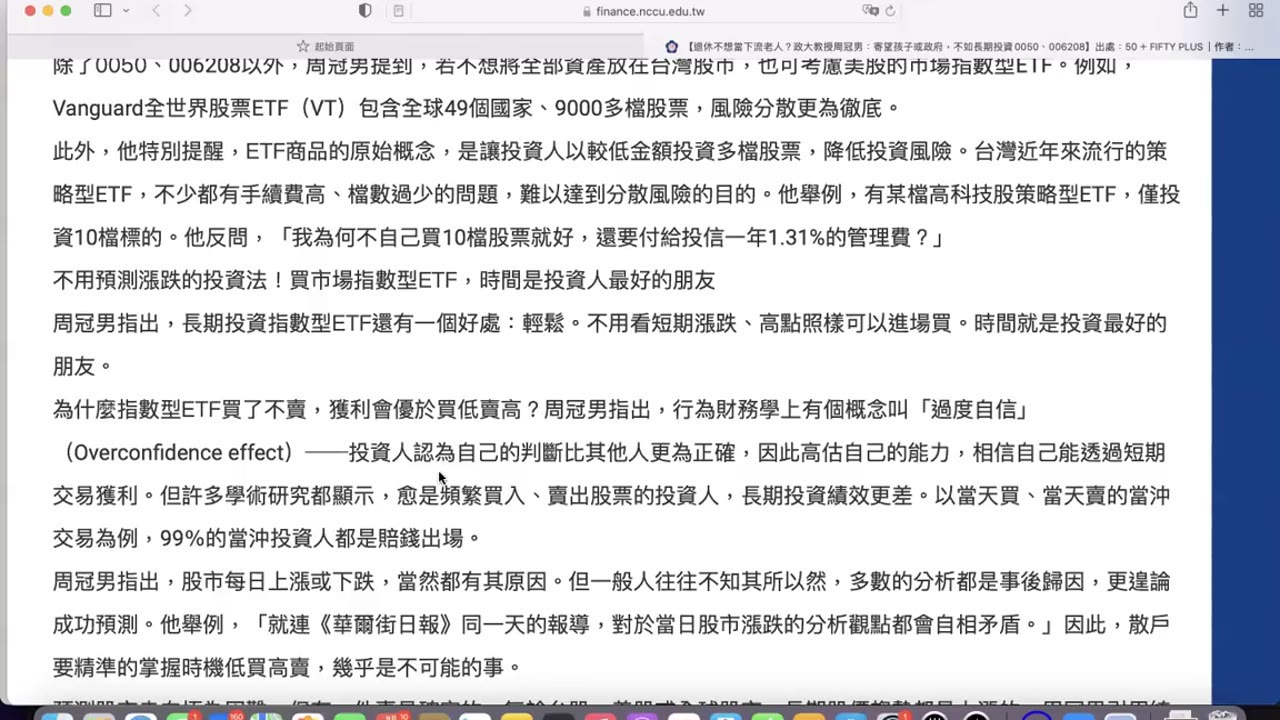
How to plan for retirement; rely on your children or the government; rather than investing for the long term
Long
How to plan for retirement; rely on your children or the government; rather than investing for the long term
The video connects retirement cash flow with fraud prevention, loss tolerance, rate uncertainty, leverage, tax and re-entry costs after selling, long horizons, social support, and complex inverse-ETF hedges in accounts.
2:06:47