00372
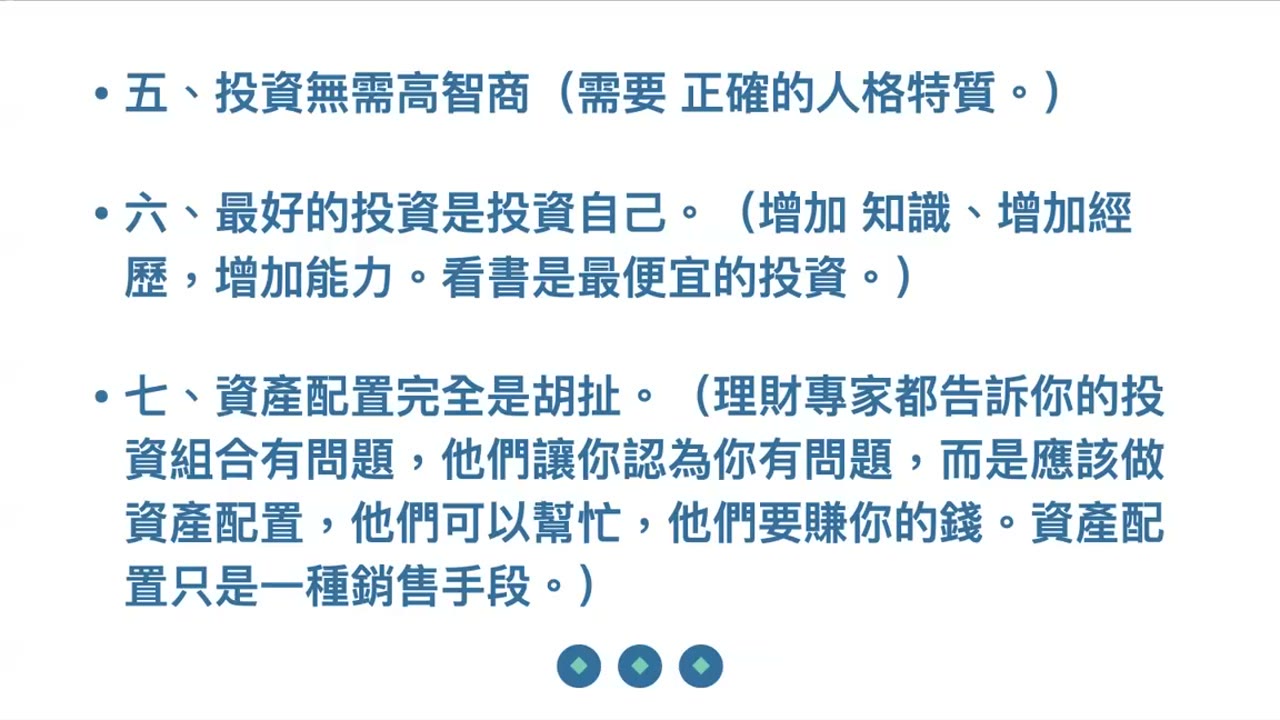
Buffett’s top ten investment mistakes; investing requires independent thinking and inner peace
Long
Buffett’s top ten investment mistakes; investing requires independent thinking and inner peace
The sampled video does not list all ten title mistakes; it covers volatility, war risk, Stoic response, young investors, career autonomy, fixed income versus stocks, annualized yields, and cash reserves.
1:43:26
00370
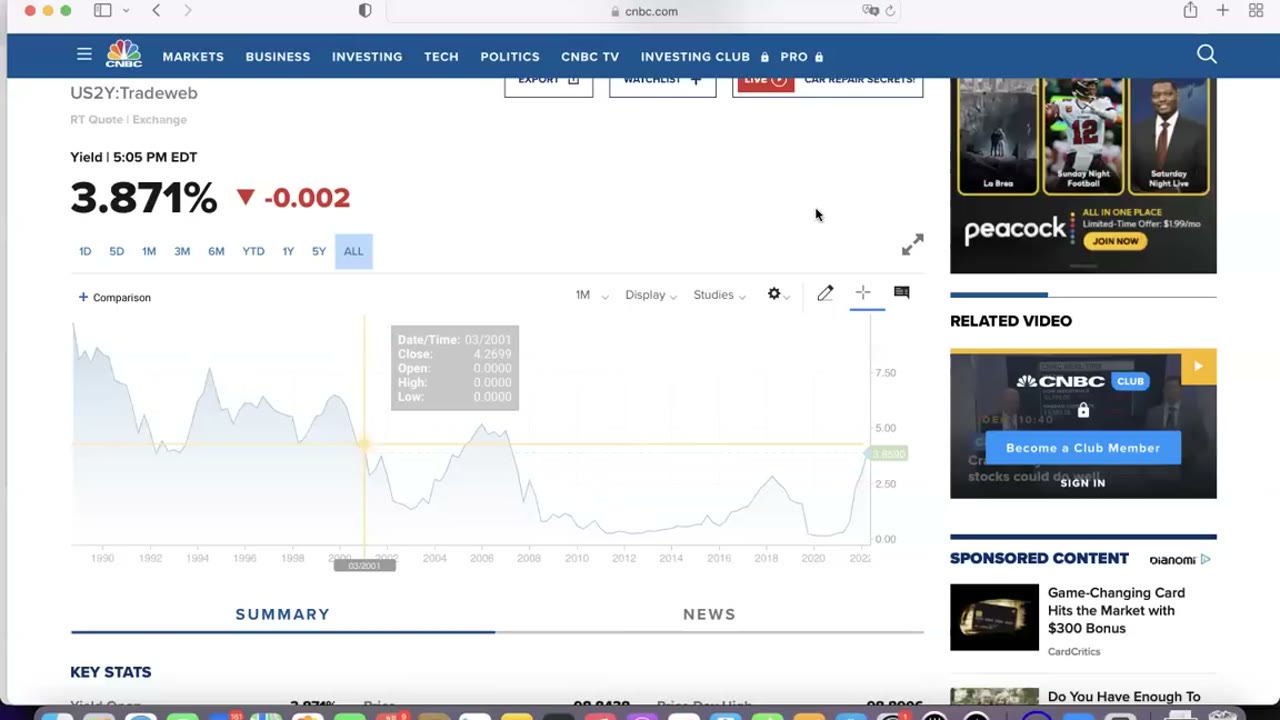
How to avoid poverty and become rich; can capitalism really solve the problem; what is an ideal capital society?
Long
How to avoid poverty and become rich; can capitalism really solve the problem; what is an ideal capital society?
The video links poverty and financial education with wealth, then covers rate history, yield curves, banks, automation, asset distribution, unequal tightening effects, pandemic savings and debt, and uncertain recoveries.
2:01:03
00369
The timing of the market's biggest gains; market lows are once-in-a-lifetime opportunities; find the market's password; you are one of the rich few
Long
The timing of the market's biggest gains; market lows are once-in-a-lifetime opportunities; find the market's password; you are one of the rich few
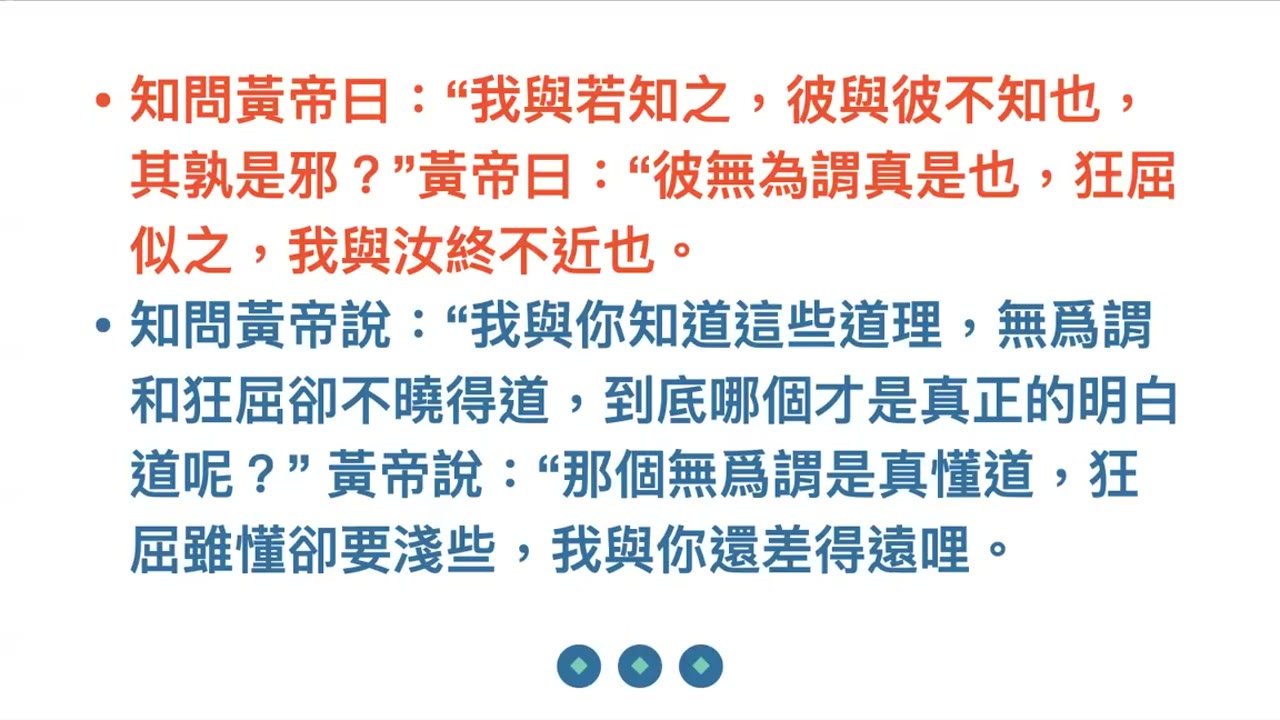
The video examines rate cycles, lows, inflation and sentiment, a family's choice not to sell in a decline, emotional tolerance, Daoist non-forcing, information reduction, and long holding without promising returns.
45:21

00367
Buy at the rising point of soaring stocks; how to choose growth stocks; investing in indexes is the same investment method for selecting soaring stocks
Long
Buy at the rising point of soaring stocks; how to choose growth stocks; investing in indexes is the same investment method for selecting soaring stocks
The video covers growth-stock research, market forecasts, living-expense cash, compounding assumptions, overlapping technology funds, switching taxes, benchmarks, and discipline during high-rate consolidation.
1:35:41
00368
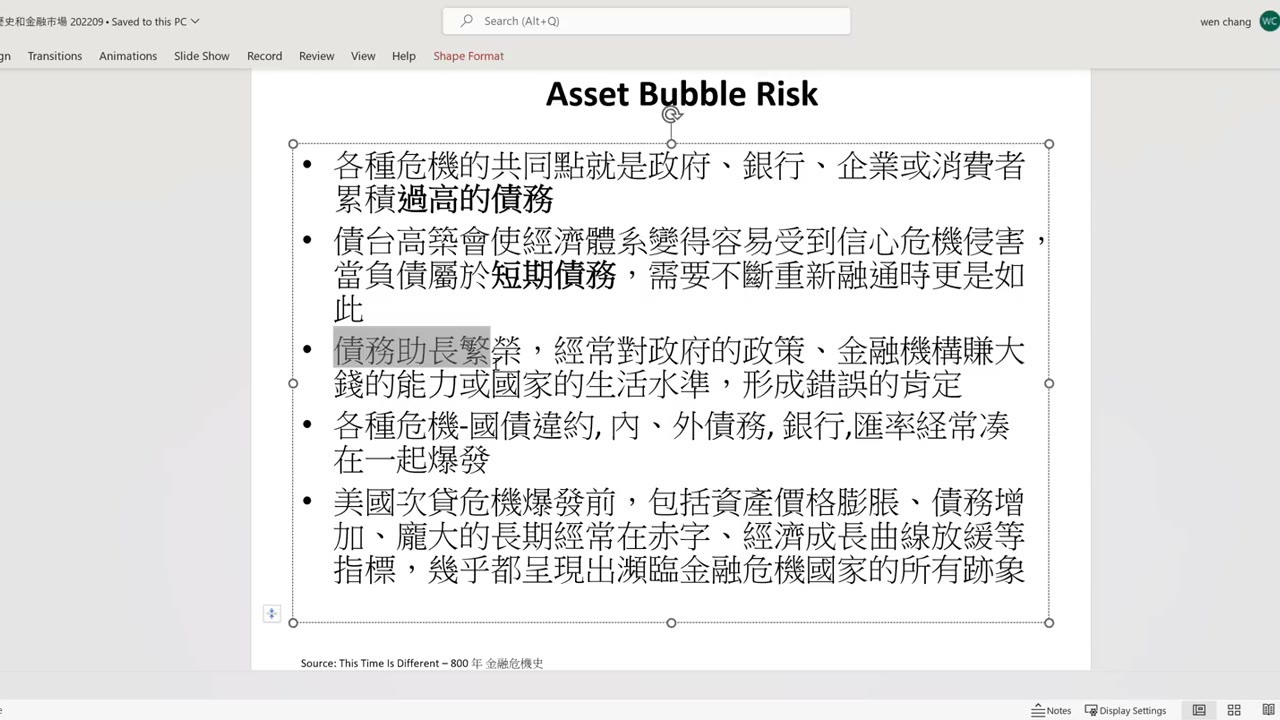
Capital Market Historical Perspective Lecturer Wen Chang
Long
Capital Market Historical Perspective Lecturer Wen Chang
A history course on capitalism, intellectual property, creative destruction, bank reserves, economic and market cycles, productivity versus pay, and investor behavior in individual stocks and indexes.
2:10:05
00366
Investing in the United States means having confidence in the United States! As long as we adhere to a simple concept; the U.S. capital market is a fair, just and open market.
Long
Investing in the United States means having confidence in the United States! As long as we adhere to a simple concept; the U.S. capital market is a fair, just and open market.
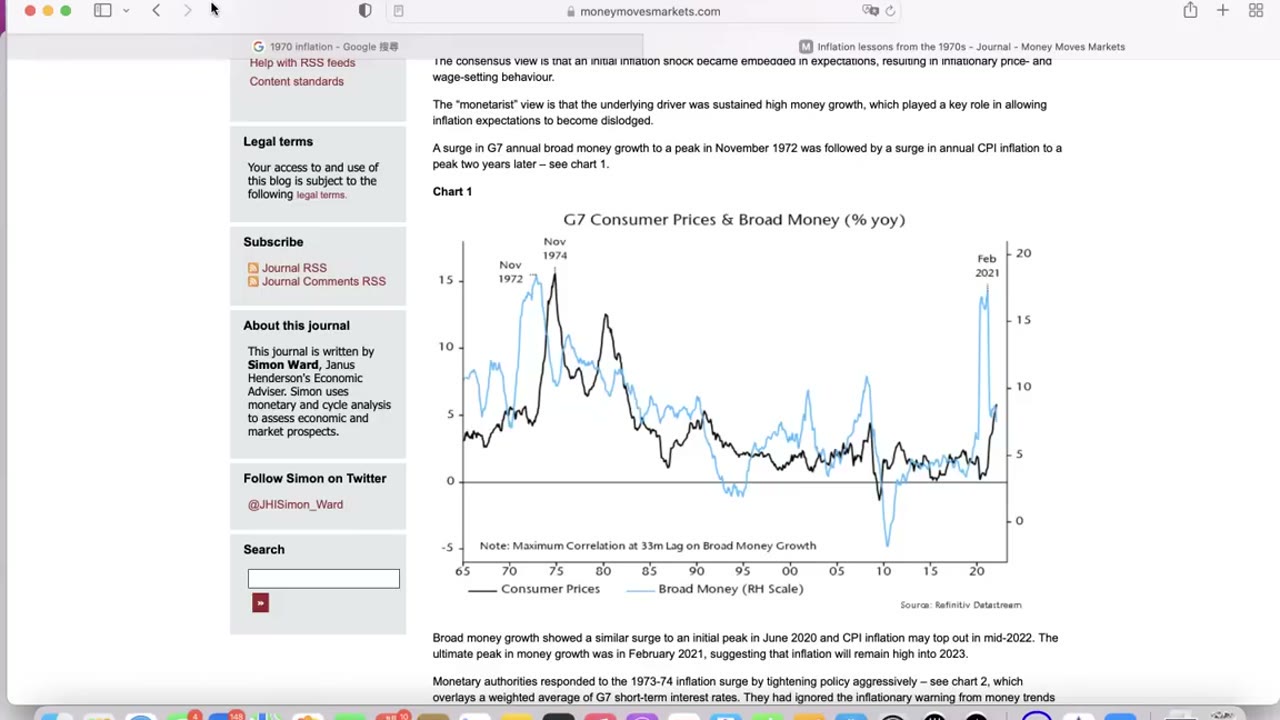
The video covers investment fraud, pump-and-dump stocks, verifying funds and advisers, employer-stock concentration, exchange-rate regimes, managed-account authorization, fee conflicts, and a simpler long-term approach.
1:53:23
00362
Modern Monetary Policy Presenter Ellie Wong
Long
Modern Monetary Policy Presenter Ellie Wong
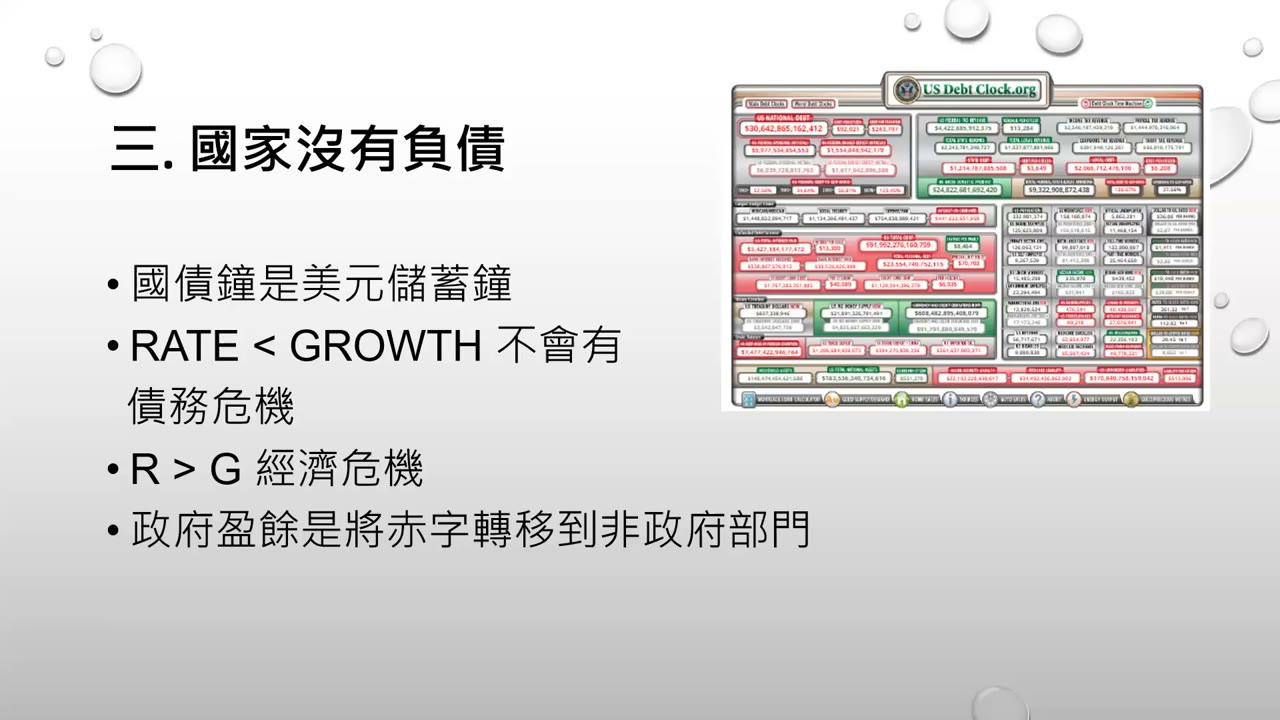
The presentation contrasts currency issuers and users, links deficits to inflation and real resources, and extends monetary-policy debate to benefits, financial education, AI health data, tariffs, and dollar demand.
1:30:03
00364
“Wealth Is a Gift; Happiness Is a Human Right”: Holding Through Bull Markets and Building Wealth the Right Way
Long
“Wealth Is a Gift; Happiness Is a Human Right”: Holding Through Bull Markets and Building Wealth the Right Way
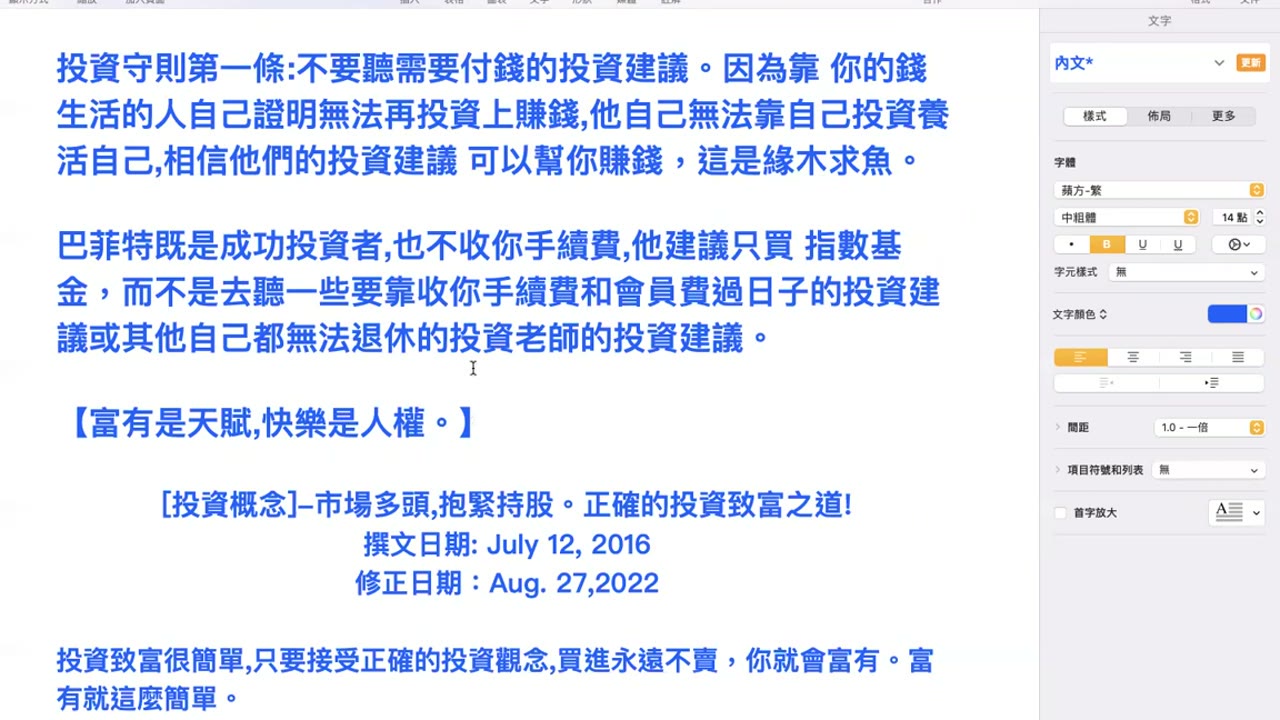
The video covers simple index investing, cash buffers for emotional stability, brokerage-linked debit cards, worker and retiree reserves, family education funding, personal-loan investing risk, and simplifying life.
1:54:32
00365
High Yield and Low Returns, the Cost of Missing the Market, Investor Temperament, and the Value of Doing Less
Long
High Yield and Low Returns, the Cost of Missing the Market, Investor Temperament, and the Value of Doing Less
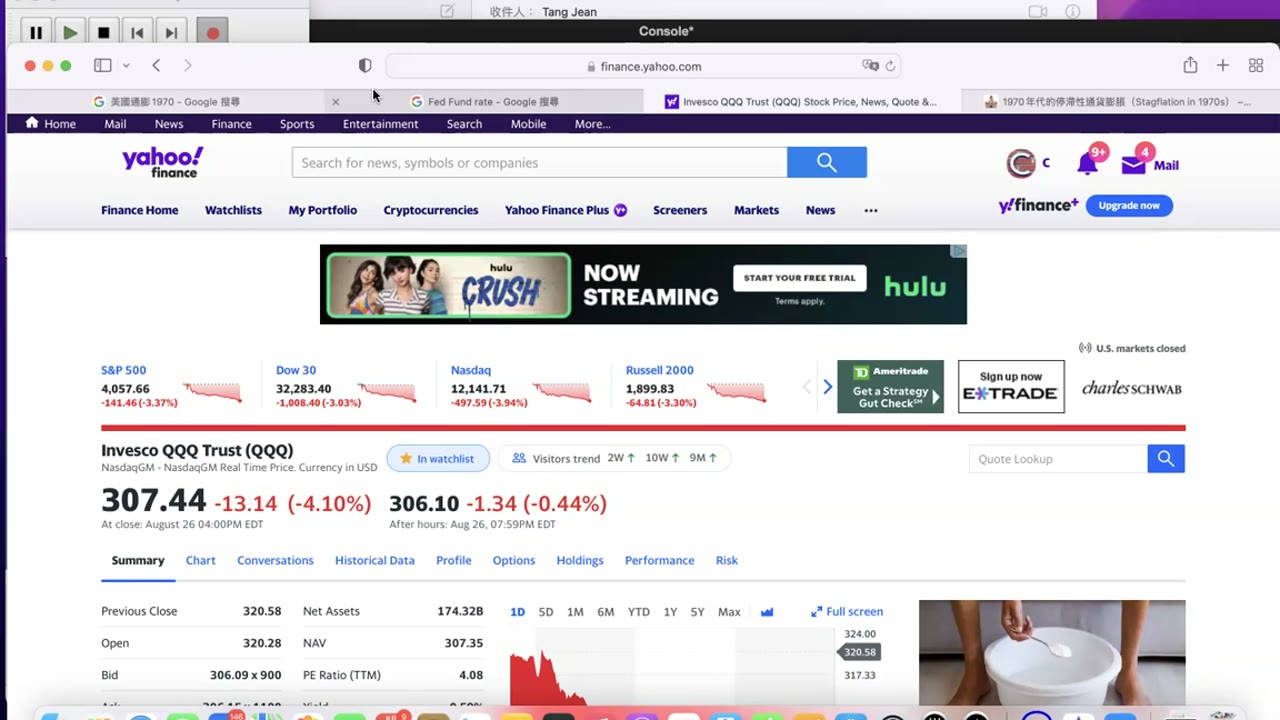
The video contrasts dividend yield with total return, covering exit behavior, investor psychology, inflation and rate policy, U.S. and European conditions, technology and chip demand, and unequal inflation effects.
1:03:26
00363
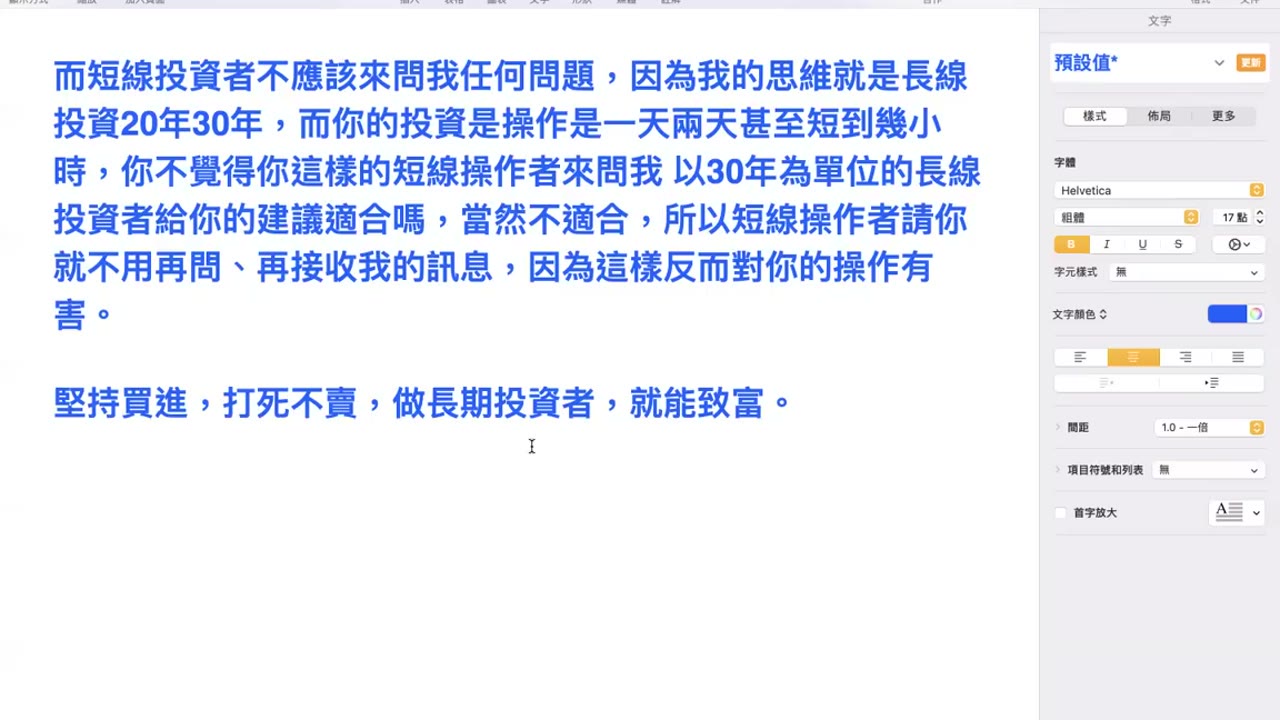
There is no problem with long-term investment, the problem is the cognitive error of investment quality; it is safe when the market falls; do not use short-term thinking to make long-term investment
Long
There is no problem with long-term investment, the problem is the cognitive error of investment quality; it is safe when the market falls; do not use short-term thinking to make long-term investment
The video explains why drawdowns break long-term plans and covers broker and ETF custody, wage inflation, offshore accounts, stock-backed loans, cross-border listings, geopolitical anxiety, and short-term thinking.
1:55:06
00360
(Part 2) The four seasons of the investment market; the conclusion of investment success; distinguishing the fun of speculation from investment
Long
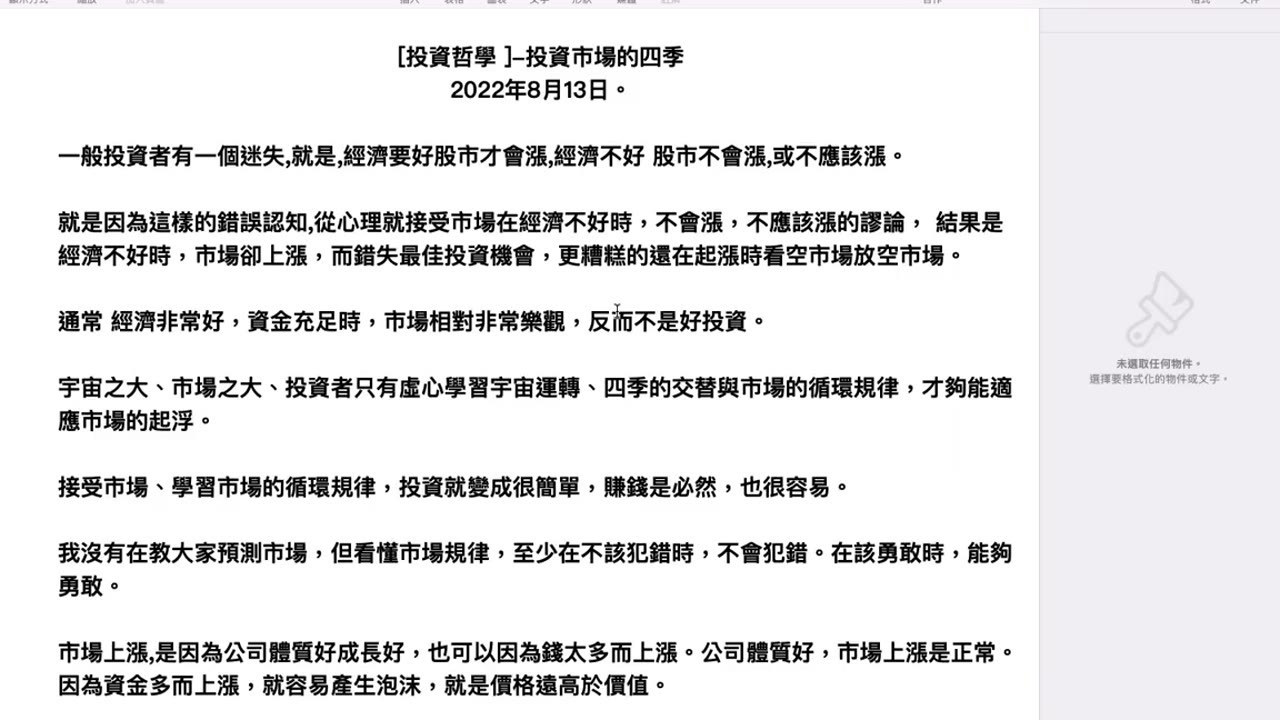
(Part 2) The four seasons of the investment market; the conclusion of investment success; distinguishing the fun of speculation from investment
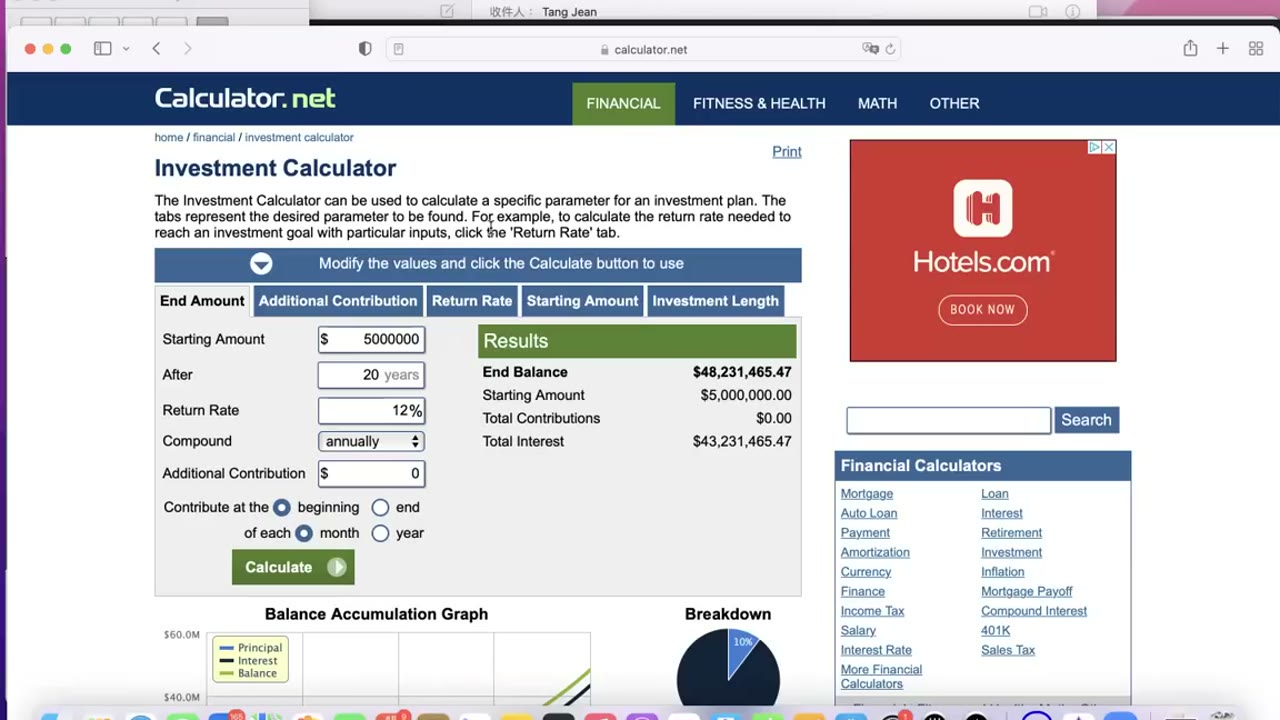
The video covers a stock-backed borrowing model, one trade versus lifelong success, retirement and longevity, unreliable forecasts, QQQ and popular-stock drawdowns, and lump-sum versus staged investing.
1:36:00
00359
(Part 1) The four seasons of the investment market; the conclusion of investment success; distinguishing the fun of speculation from investment
Long
(Part 1) The four seasons of the investment market; the conclusion of investment success; distinguishing the fun of speculation from investment
The video uses “market seasons” to connect rates and liquidity without predicting daily moves, then covers retirement cash flow, offshore assets, margin, stock-backed loans, HELOCs, and leveraged-account stress tests.
48:41