00397
Three levels of investing; the most important thing in investing is time; the market will eventually rise
Long
Three levels of investing; the most important thing in investing is time; the market will eventually rise
The video examines patience, risk control, misleading long-run averages, passive cash adjustments, family priorities, and a Dell–Tesla business analogy.
1:31:56

00092
Message conversation with an insurance practitioner
Short
Message conversation with an insurance practitioner
The video continues a comment debate about insurance claims, medical coverage, basic protection, auto claims, civil and criminal liability, complaints, and consumer responsibility.
17:40
00396
Long-term investors are mainly engaged in asset management and risk control; investments should be as stable and predictable as the work income of professionals rather than random speculation.
Long
Long-term investors are mainly engaged in asset management and risk control; investments should be as stable and predictable as the work income of professionals rather than random speculation.
The video links investment education and experience with risk awareness, product-based company observations, career changes, randomness in short-term results, and context behind famous investors' disclosed holdings.
2:10:41
00395
Investment Psychology Lecturer: James Chen
Long
Investment Psychology Lecturer: James Chen
The video connects fast decision-making with loss tolerance, permanent loss, unpredictable risk, funding limits, leverage, and the emotional effects of market commentary.
42:47
00394
Investment Psychology Lecturer Wen Chang
Long
Investment Psychology Lecturer Wen Chang
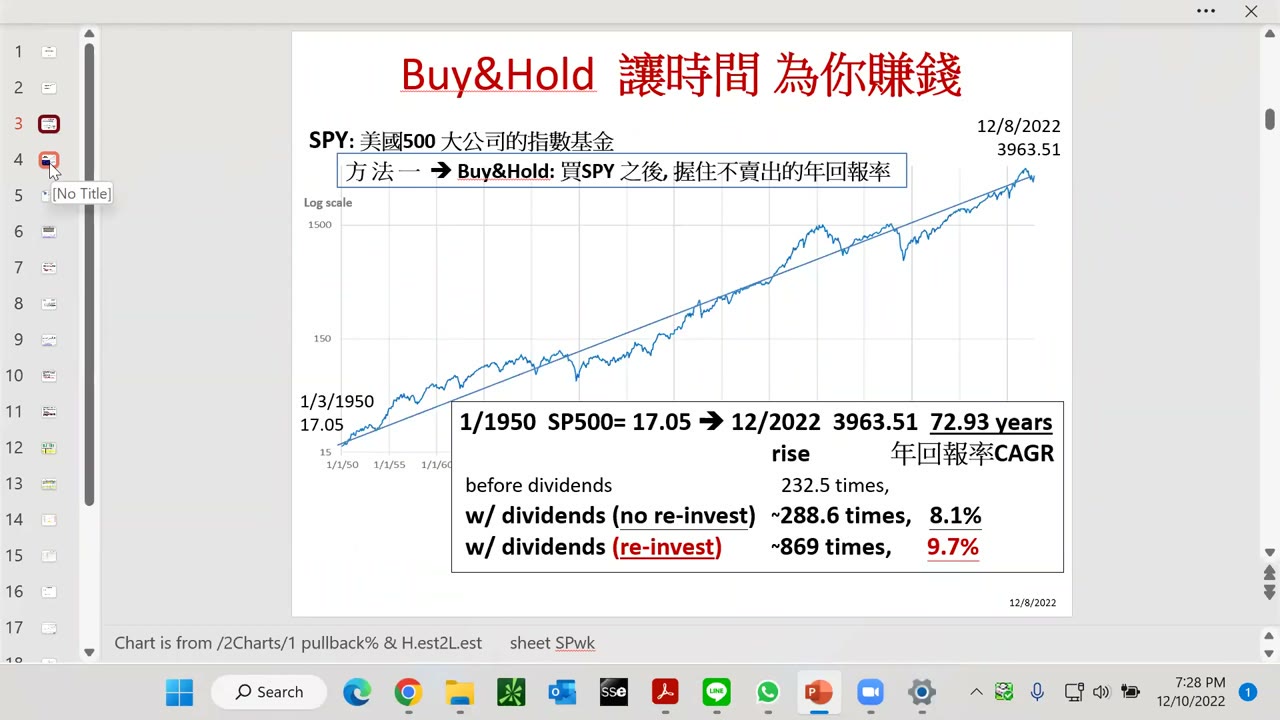
Buy-and-hold investing anchors this discussion of technology-index volatility, indicator-based trading examples, cash reserves, inflation-adjusted purchasing power, risk control, and investment psychology.
39:09
00393
How young people can build wealth; the key is to make the right investment as early as possible
Long
How young people can build wealth; the key is to make the right investment as early as possible
A young worker's saving and investing story leads into risk, information literacy, company selection, investor mindset, semiconductors, and indexing. The samples do not show that starting early guarantees wealth.
2:03:47
00392
Investment Psychology Lecturer Frank Fang
Long
Investment Psychology Lecturer Frank Fang
The video examines how news, confidence, market behavior, stock-tip stories, independent thinking, knowledge of holdings, and ongoing study shape a trader's judgment.
50:22
00391
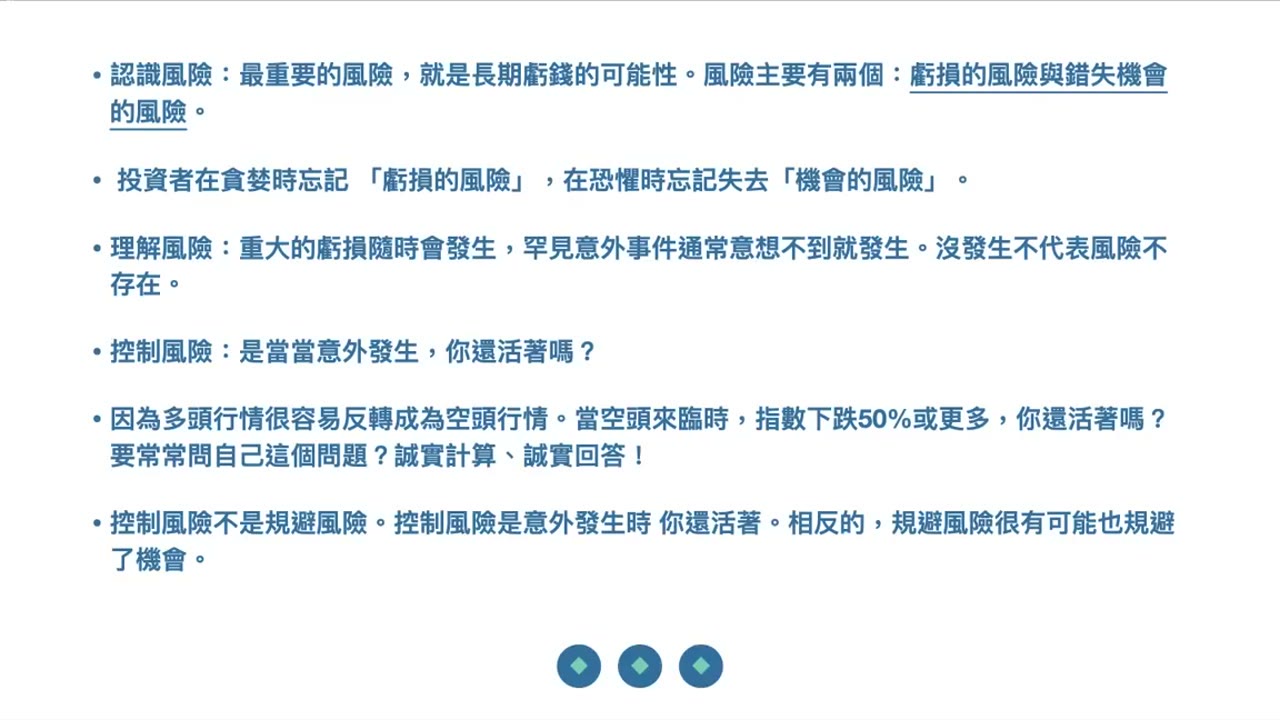
Recognize risks; understand risks; control risks; will you still be alive when an accident happens?
Long
Recognize risks; understand risks; control risks; will you still be alive when an accident happens?
A discussion of uncertainty, investor psychology, valuation, market timing, globalization and inflation, followed by practical stress tests for severe declines and halted trading.
1:52:35
00390
Market fluctuations allow you to buy cheaply and make you want to buy or sell as much as you want. It is best for investors to forget the existence of the stock market; the best time for investors to buy is when they have money.
Long
Market fluctuations allow you to buy cheaply and make you want to buy or sell as much as you want. It is best for investors to forget the existence of the stock market; the best time for investors to buy is when they have money.
The video discusses retirement income, valuation, broad indexes, property concentration, withdrawals, and dividend reinvestment. Its closing optimism is the speaker's dated view.
1:59:51
00389
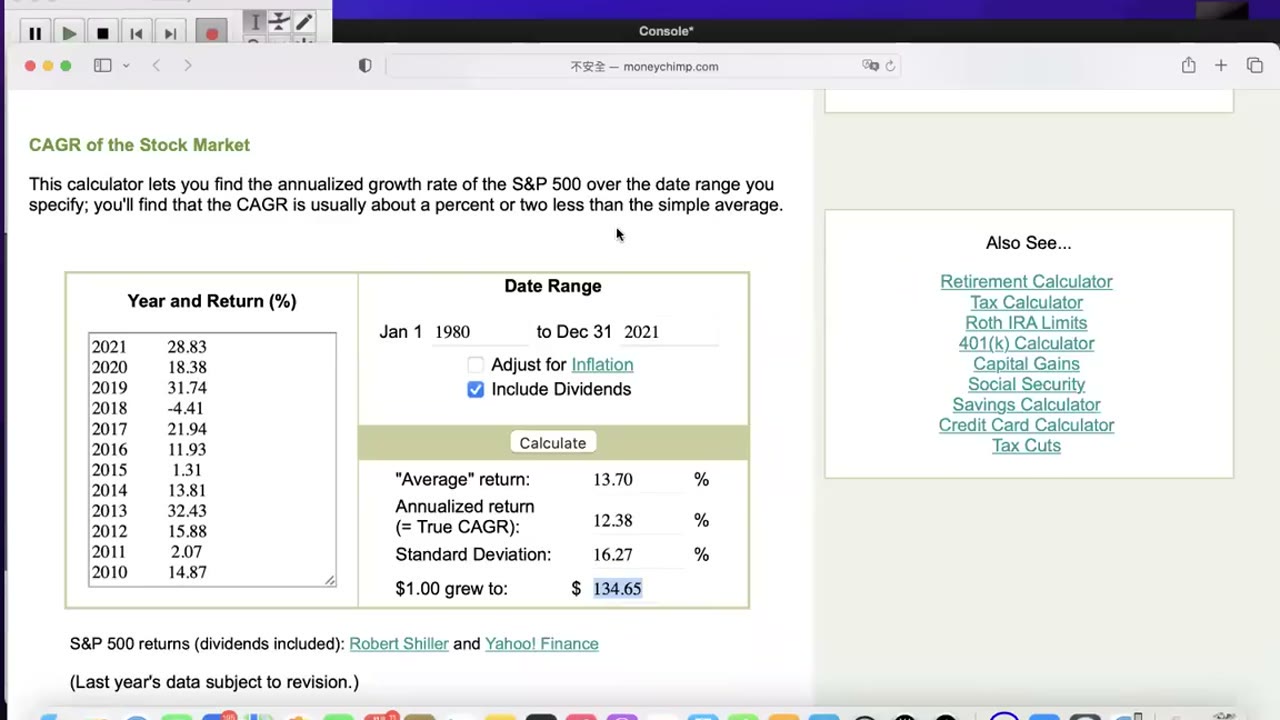
The focus is not on the purchase price, but on how long the investment lasts; the lows will slowly go away, and the flowers will eventually bloom.
Long
The focus is not on the purchase price, but on how long the investment lasts; the lows will slowly go away, and the flowers will eventually bloom.
The video covers a long-run compounding example, market cycles, drawdown-based index allocation, investment psychology, and scheduled entries. Claims that markets must rise are the speaker's views.
1:24:16
00387
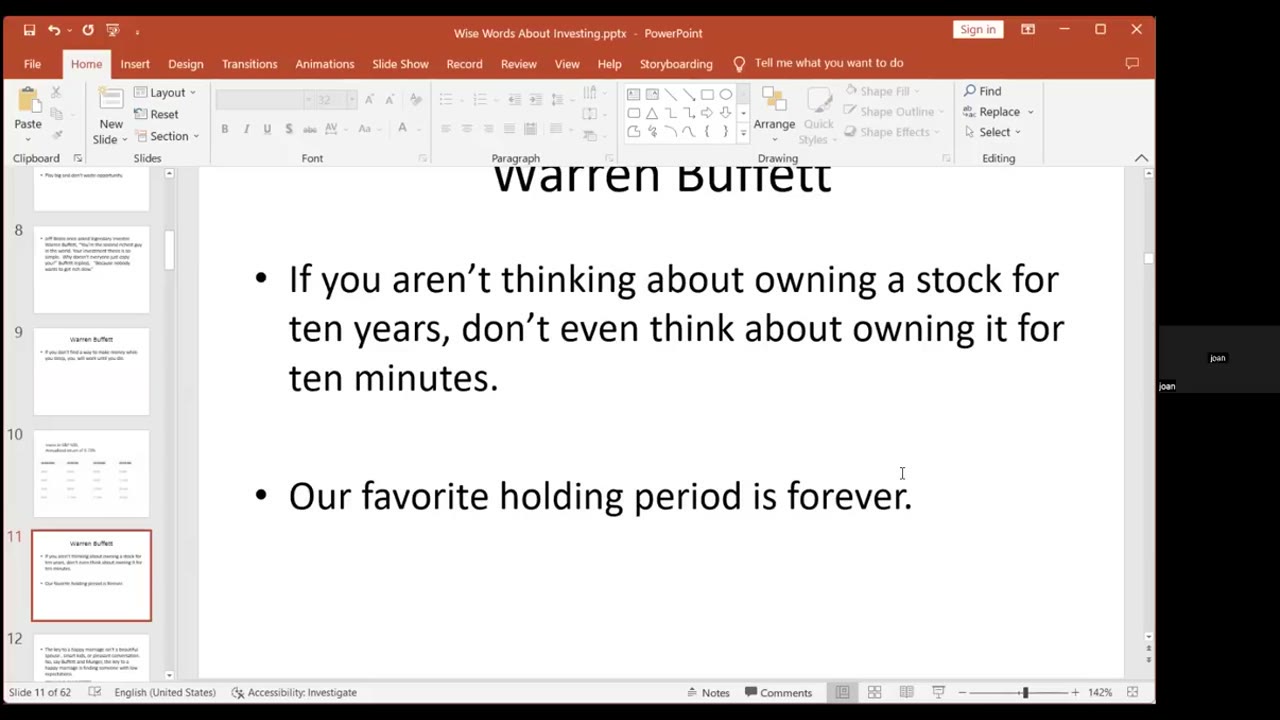
The wise words about Buffett’s investment quotes: Briefing: Joan Zhong
Long
The wise words about Buffett’s investment quotes: Briefing: Joan Zhong
Using a series of investment sayings, the video discusses cash, productive assets, compounding, self-development, focus, business quality, financial reports, market declines, and learning through difficulty.
38:50
00388
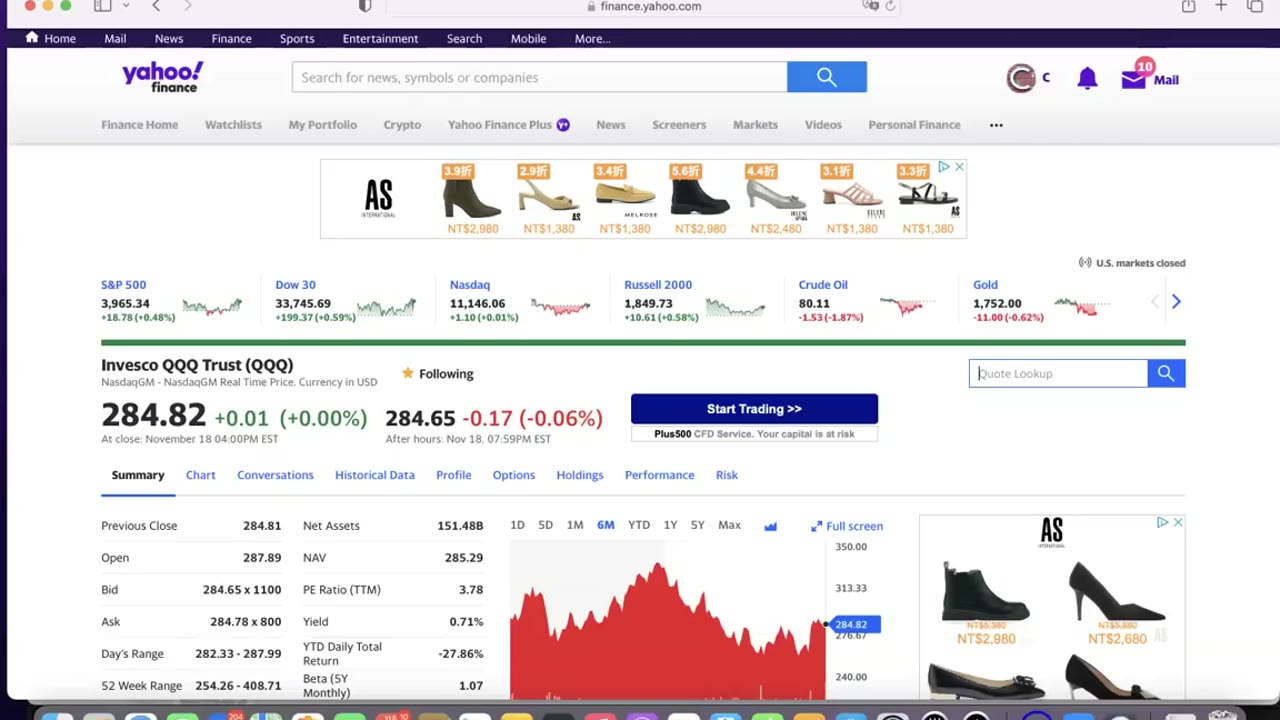
Index investment requires ignorance and inaction; if I have a big problem, I have a body; if I have no body, what trouble do I have?
Long
Index investment requires ignorance and inaction; if I have a big problem, I have a body; if I have no body, what trouble do I have?
A discussion of risk, competence, TSMC valuation, averaging down by fund type, long-term currency exchange, QQQ versus VGT outcomes, technology concentration, and why understanding cycles is not cycle trading.
1:42:09