00349
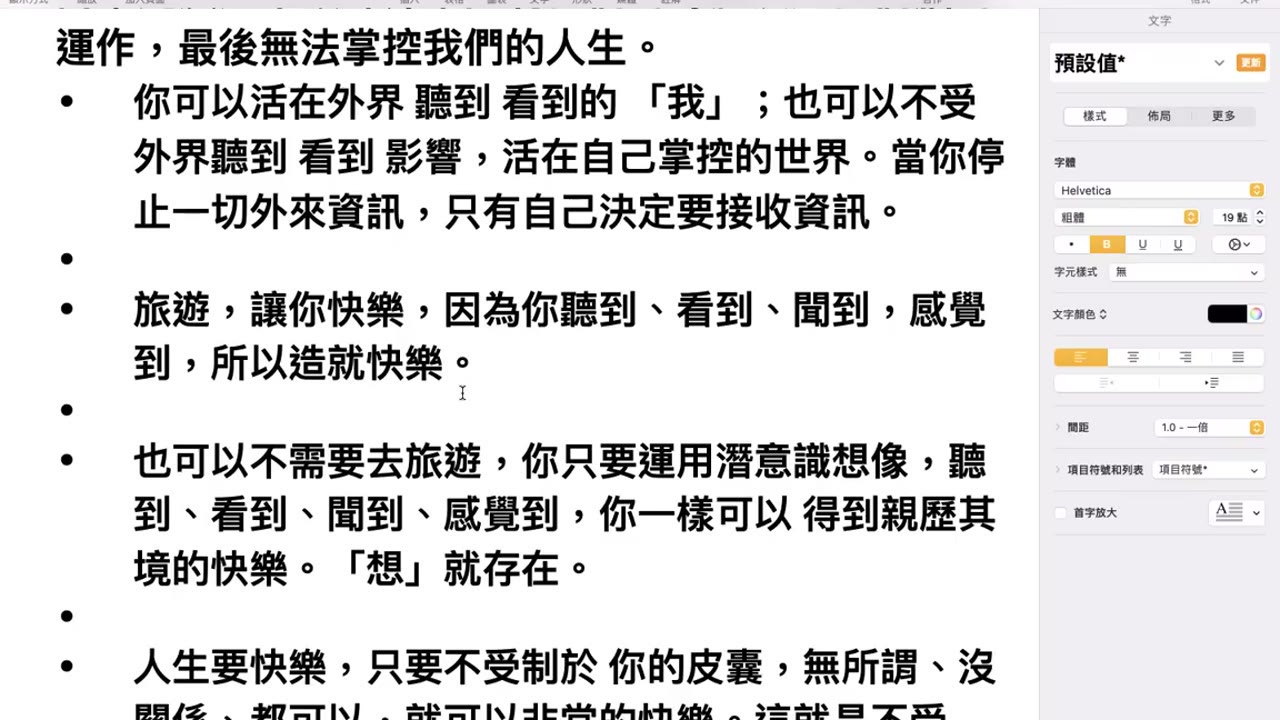
Live a relaxed life and find yourself; the stock market is in slow motion and has nothing to do with ups and downs; understand that everyone’s world is different
Long
Live a relaxed life and find yourself; the stock market is in slow motion and has nothing to do with ups and downs; understand that everyone’s world is different
The video moves from a slower pace and investor self-control to XLK and QQQ holdings, dollar and rate views, tax-loss realization and wash sales, saving versus consumption, and international economic influence.
1:57:22
00350
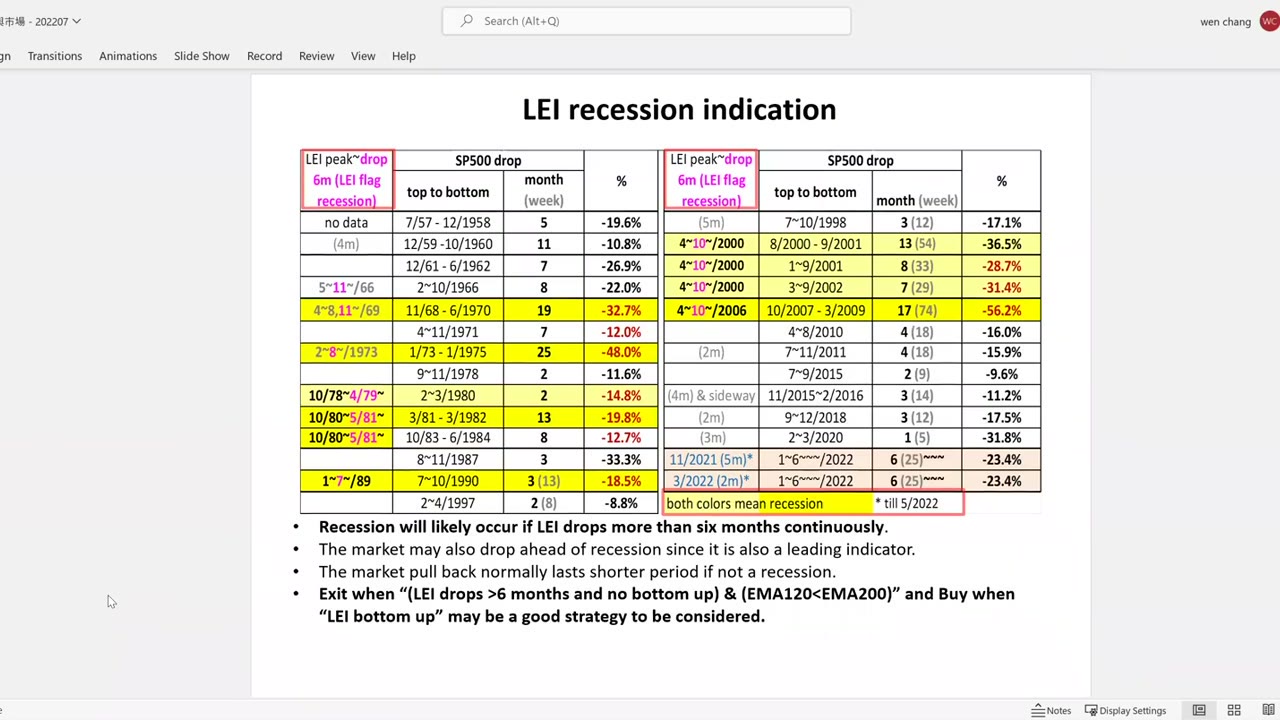
Economic Indicators and Markets Lecturer Wen Chang
Long
Economic Indicators and Markets Lecturer Wen Chang
The course covers indicator releases and market links, then examines false recession signals, PMI and NMI, inflation and rates, LEI filters, central-bank balance sheets, credit, and financial stress.
2:50:29
00348
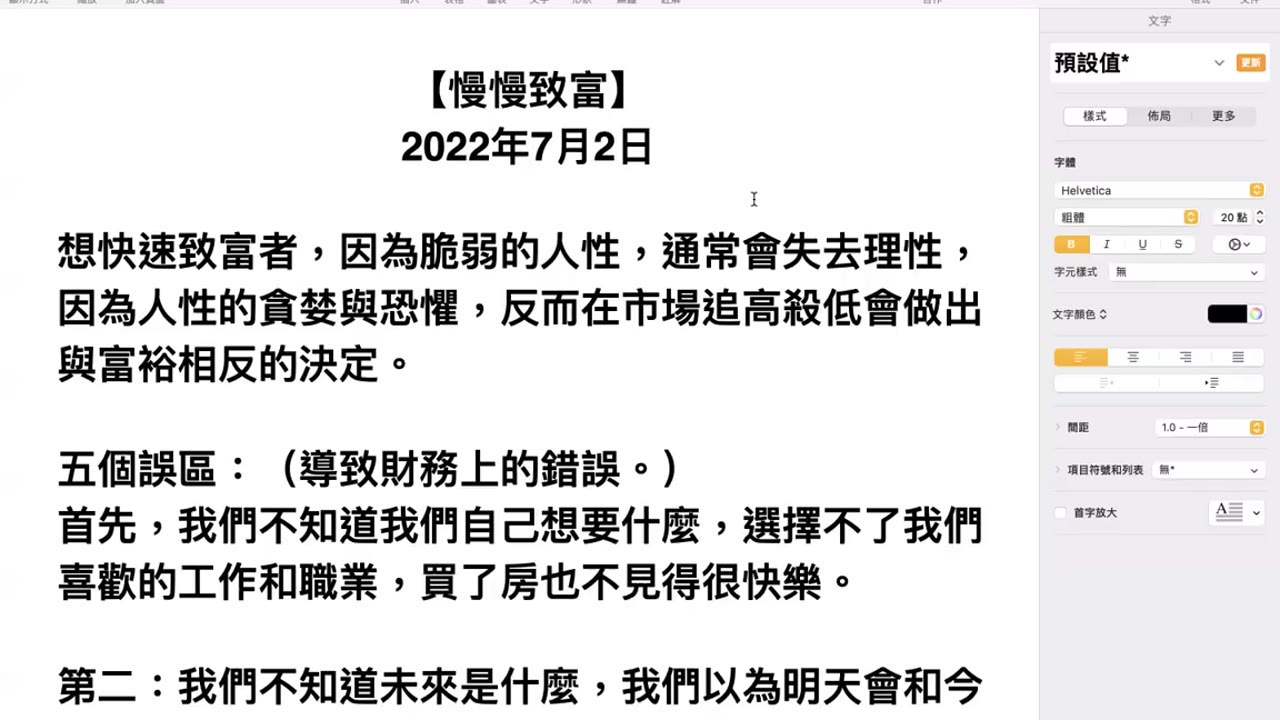
Learn to build wealth slowly; how to buy in a downward trend; how to judge the trend; how to buy in an upward trend
Long
Learn to build wealth slowly; how to buy in a downward trend; how to judge the trend; how to buy in an upward trend
The video links gradual wealth building and the dot-com bubble with volume and moving-average limits, dividend and growth perspectives, staged buying through declines and recoveries, and manageable position sizes.
2:09:52
00347
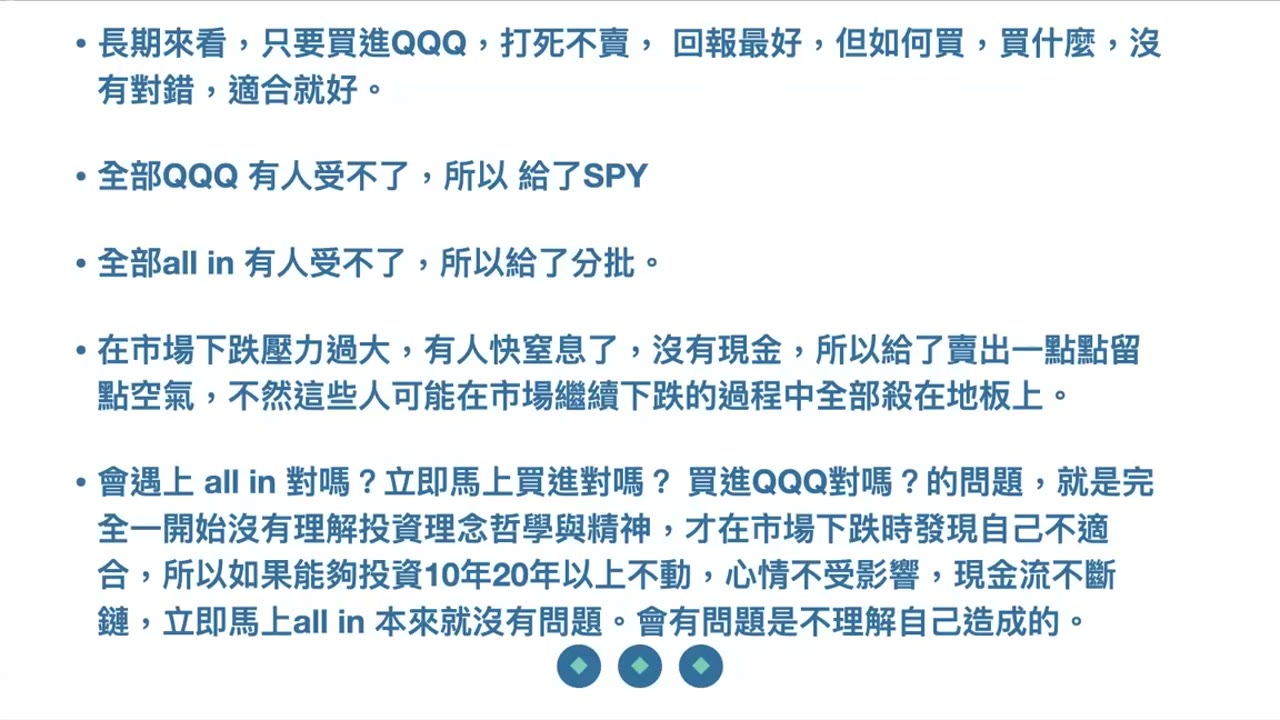
Build wealth slowly and avoid mistakes; knowledge is the starting point, thinking is the process, and persistence in execution is the end point of success; be with people with strong mental energy.
Long
Build wealth slowly and avoid mistakes; knowledge is the starting point, thinking is the process, and persistence in execution is the end point of success; be with people with strong mental energy.
The video uses gradual wealth building to examine chasing returns, independent thought, social influences, cash in declines, mean reversion, family priorities, liquidity, risk capacity, and executable strategies.
30:18
00345
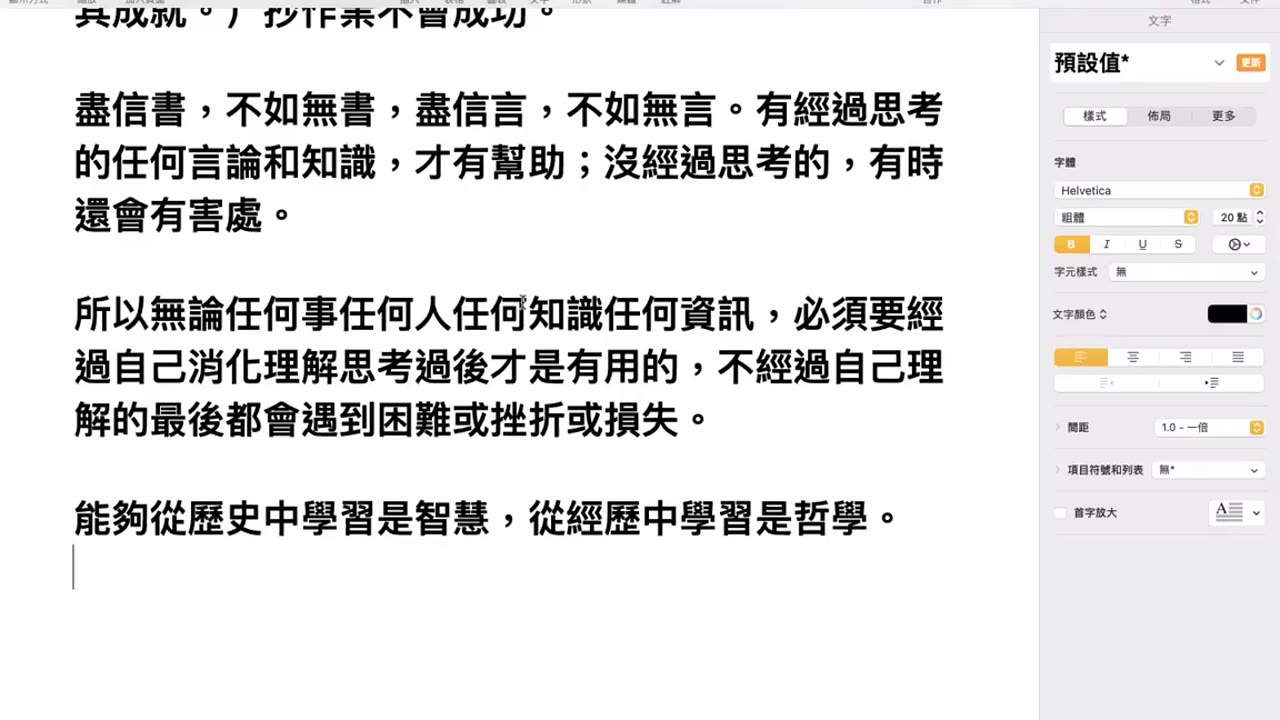
A good way to succeed in investing; why there is only one Buffett in the world and how to learn from Buffett
Long
A good way to succeed in investing; why there is only one Buffett in the world and how to learn from Buffett
The video argues that investment success has more than one method, comparing indexes and stocks, holding and trading, QQQ and SPY research, worker participation in capital, entertainment, cash, and asset ownership.
1:40:50
00346
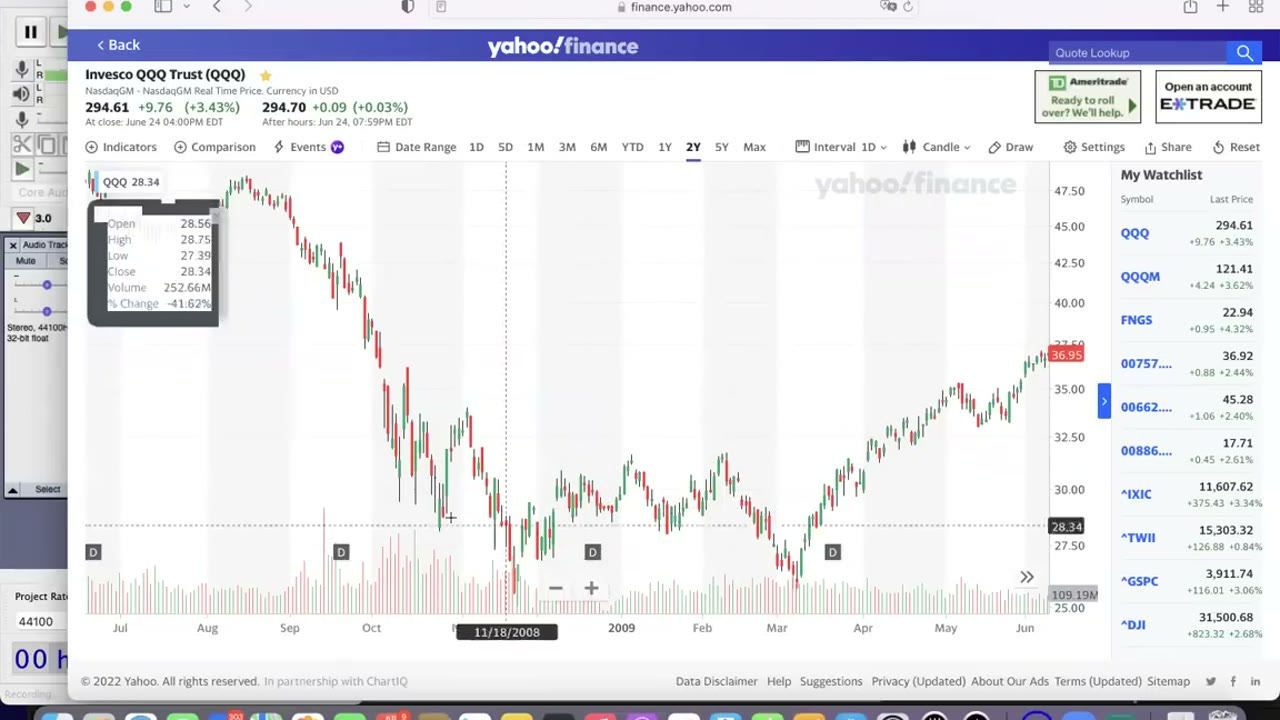
Know the risks, understand the risks, experience the risks, and survive the risks; investing always has to deal with human nature; how to buy at the bottom
Long
Know the risks, understand the risks, experience the risks, and survive the risks; investing always has to deal with human nature; how to buy at the bottom
An investment Q&A about understanding risk, preparing cash flow for market declines, the difficulty of buying near a bottom, investor psychology, and different entry strategies.
1:09:58
00344
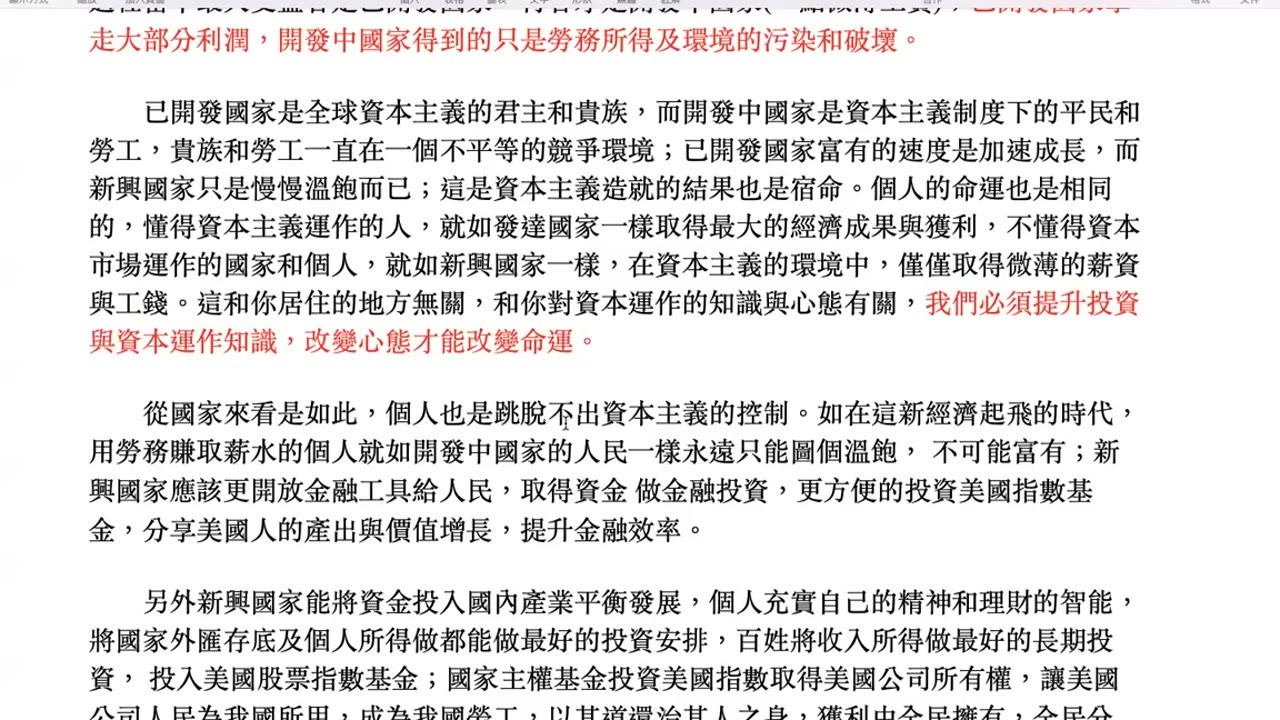
The awakening of capitalism, capitalists and labor, how to buy at the bottom
Long
The awakening of capitalism, capitalists and labor, how to buy at the bottom
The video connects capital, labor, and cash flow with supply-chain inflation, limits of rate increases, staged buying versus trend confirmation, panic selling, asset redistribution, and reserve cash.
1:51:58
00343
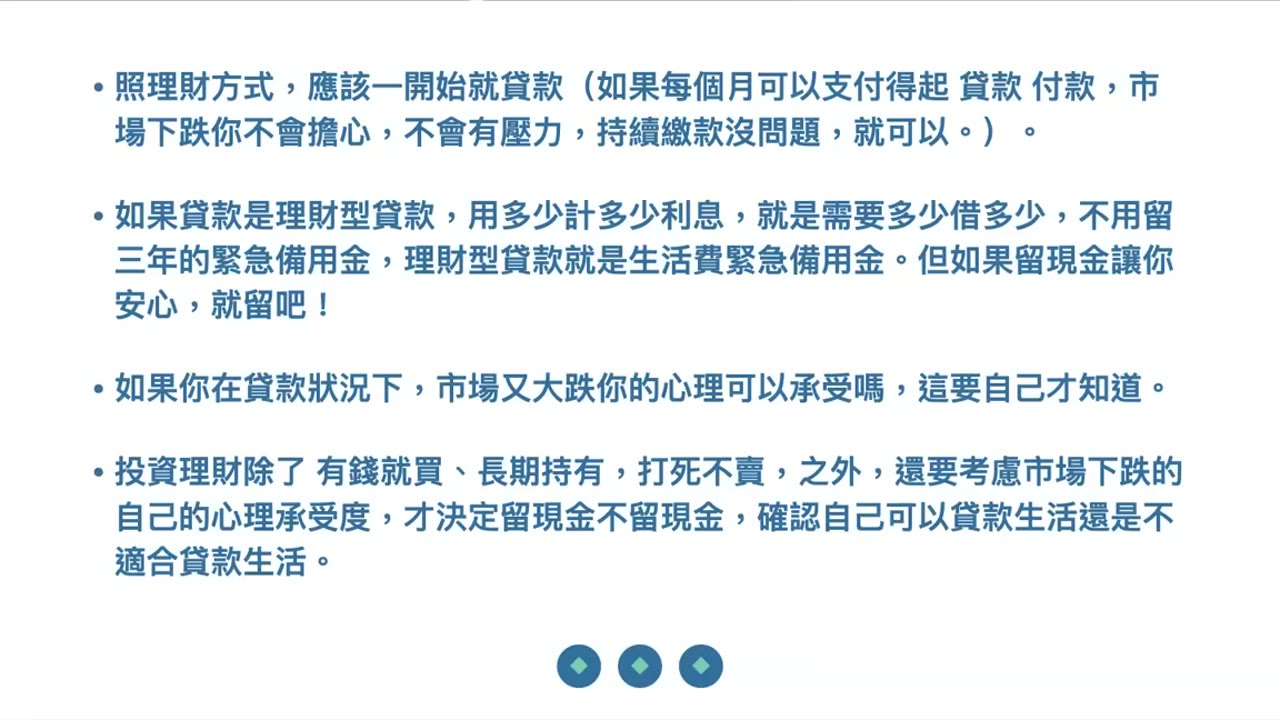
Cash Is Like Air: Risk Tolerance, Patience, Gradual Wealth Building, Economic Cycles, and Inflation
Long
Cash Is Like Air: Risk Tolerance, Patience, Gradual Wealth Building, Economic Cycles, and Inflation
Using “cash is air” as a liquidity metaphor, the video discusses drawdowns, personal risk capacity, retirement and employment status, account flexibility, cash flow, and financial planning.
33:10
00341
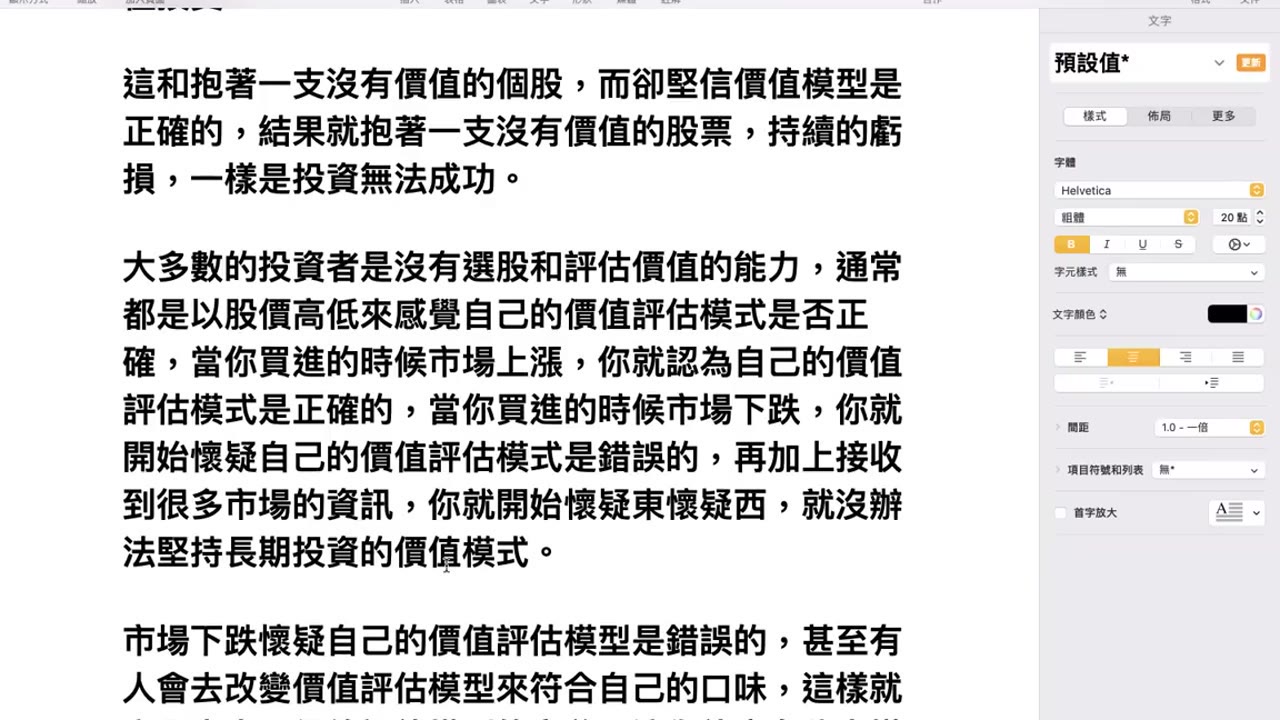
Long-term investment in index funds is value investing; avoid risks or accept risks
Long
Long-term investment in index funds is value investing; avoid risks or accept risks
The video compares regular index investing with company valuation, then examines buying through declines, worst-case plans, margin calls, discount rates, growth-stock volatility, and long holding periods.
1:29:05
00342
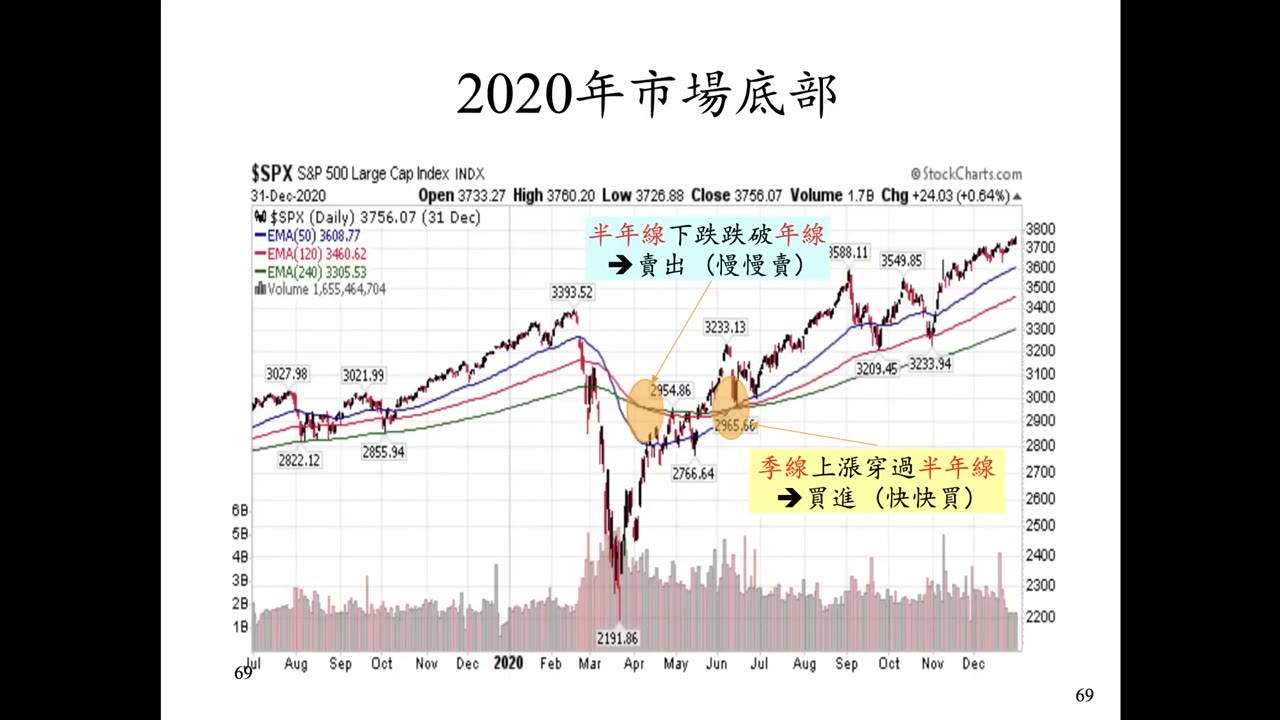
The Seventh Investment Lesson: Technical Indicators Discuss Buying and Selling Points Lecturer: Elton Chen
Long
The Seventh Investment Lesson: Technical Indicators Discuss Buying and Selling Points Lecturer: Elton Chen
Lesson seven covers technical entry and exit signals through moving averages, trend lines, support and resistance, Granville's rules, VIX, MACD, zero-line crosses, divergence, and long timeframes.
2:19:26
00340
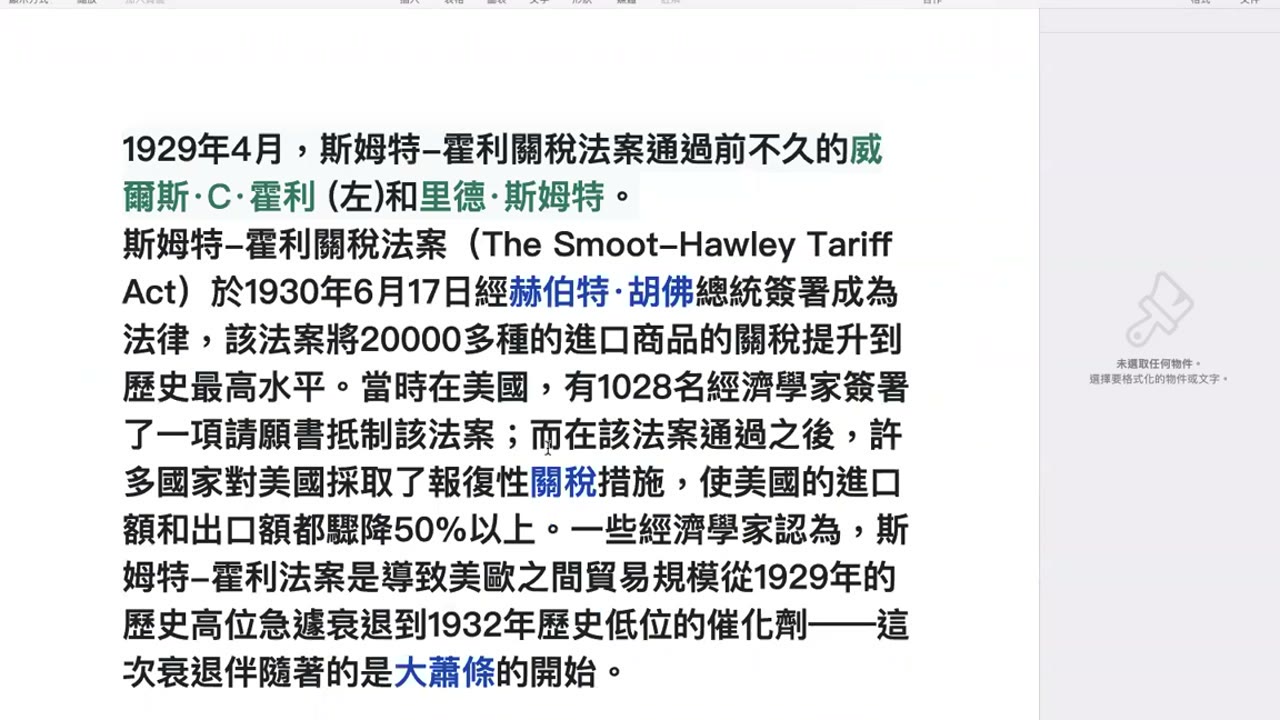
Lessons from the Great Depression of 1929: Ignore Market Noise and Stay with Long-Term Investing
Long
Lessons from the Great Depression of 1929: Ignore Market Noise and Stay with Long-Term Investing
Beginning with deflation, unemployment, leverage, and bank failures in the Great Depression, the video connects financial history with cash, small investments, rate news, and long-term behavior.
1:32:30
00339
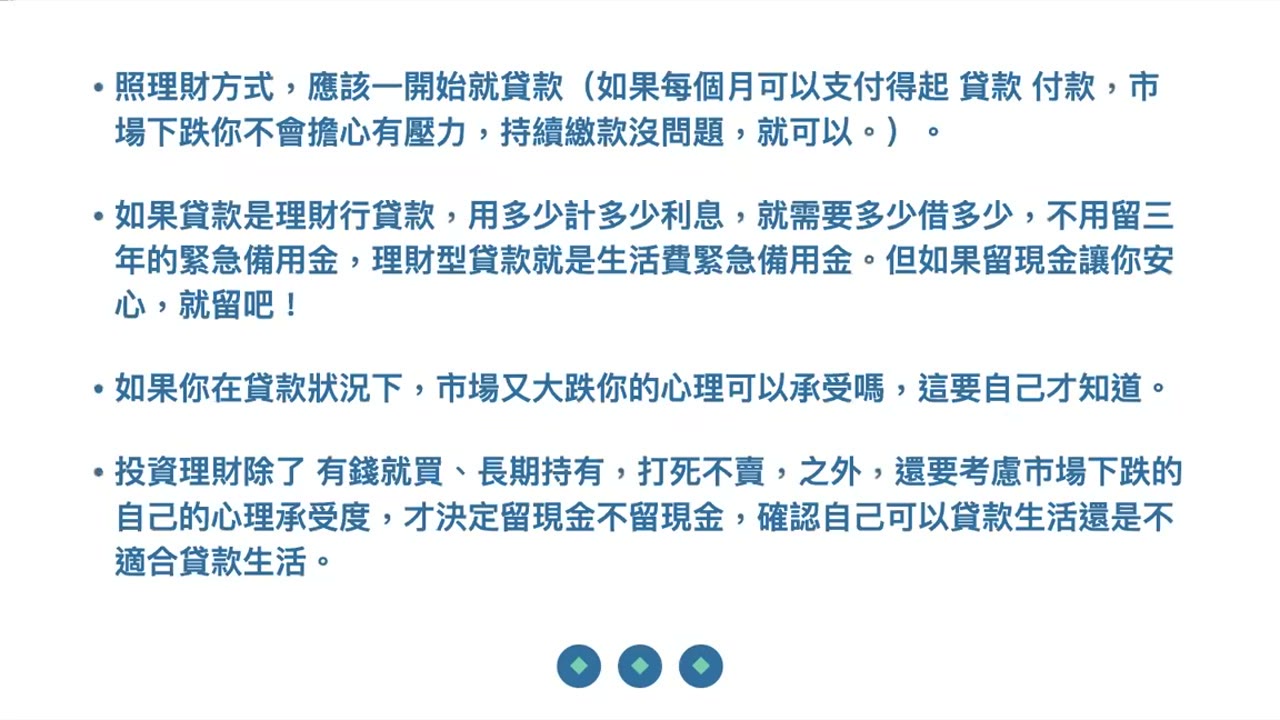
Buy Well and Hold Tight: Patience, Long-Term Markets, and Gradual Wealth Building
Long
Buy Well and Hold Tight: Patience, Long-Term Markets, and Gradual Wealth Building
The video connects long-term investing with drawdown tolerance, cash reserves, loans, pledged shares, patience, investment selection, and resistance to short-term information noise.
27:06