00568
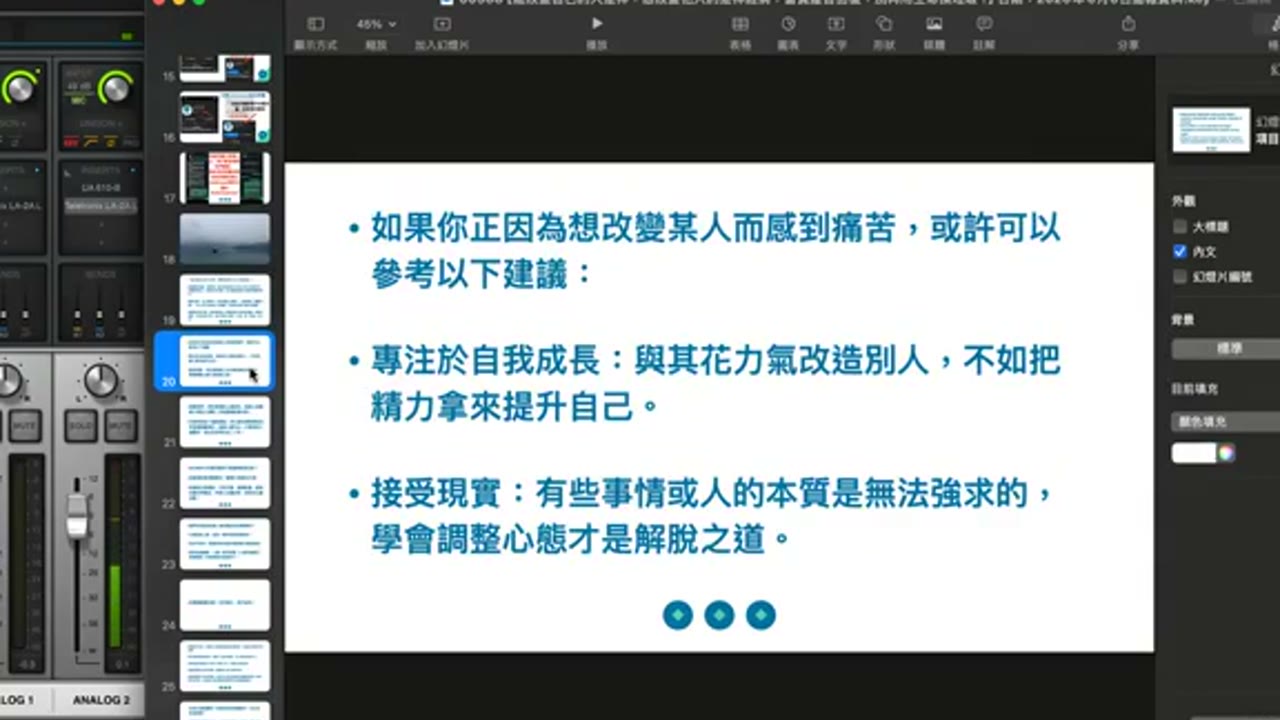
Those who can change themselves are gods, those who want to change others are insane: when assets are free, stop exchanging lives for garbage.
Long
Those who can change themselves are gods, those who want to change others are insane: when assets are free, stop exchanging lives for garbage.
This discussion covers market volatility and business models, shared family finances, retirement and time, financing rules, asset allocation, work pressure, partner communication, and system improvement.
2:03:20
00567
“Wealth Is a Gift”: Can QQQ Eventually Grow Your Wealth from Thousands to Millions?
Long
“Wealth Is a Gift”: Can QQQ Eventually Grow Your Wealth from Thousands to Millions?
Topics include market timing, handling an insurance policy, family life, borrowing to invest, choosing doctors, account-conversion withholding and a possible tax penalty, caregiving, housing, and community ties.
3:12:53

00701
Grok, Tesla FSD, ChatGPT, and Gemini: The Era of AI Agents Has Arrived
Short
Grok, Tesla FSD, ChatGPT, and Gemini: The Era of AI Agents Has Arrived
The video demonstrates Gemini retrieving teaching links from past email, relays an AI-agent subscription-refund story, and shows Grok voice requests connected with Tesla navigation and supervised driving.
25:29
00566
What’s really great about PAL: Don’t pay back the money you owe if you can! Let assets be passed down from generation to generation
Long
What’s really great about PAL: Don’t pay back the money you owe if you can! Let assets be passed down from generation to generation
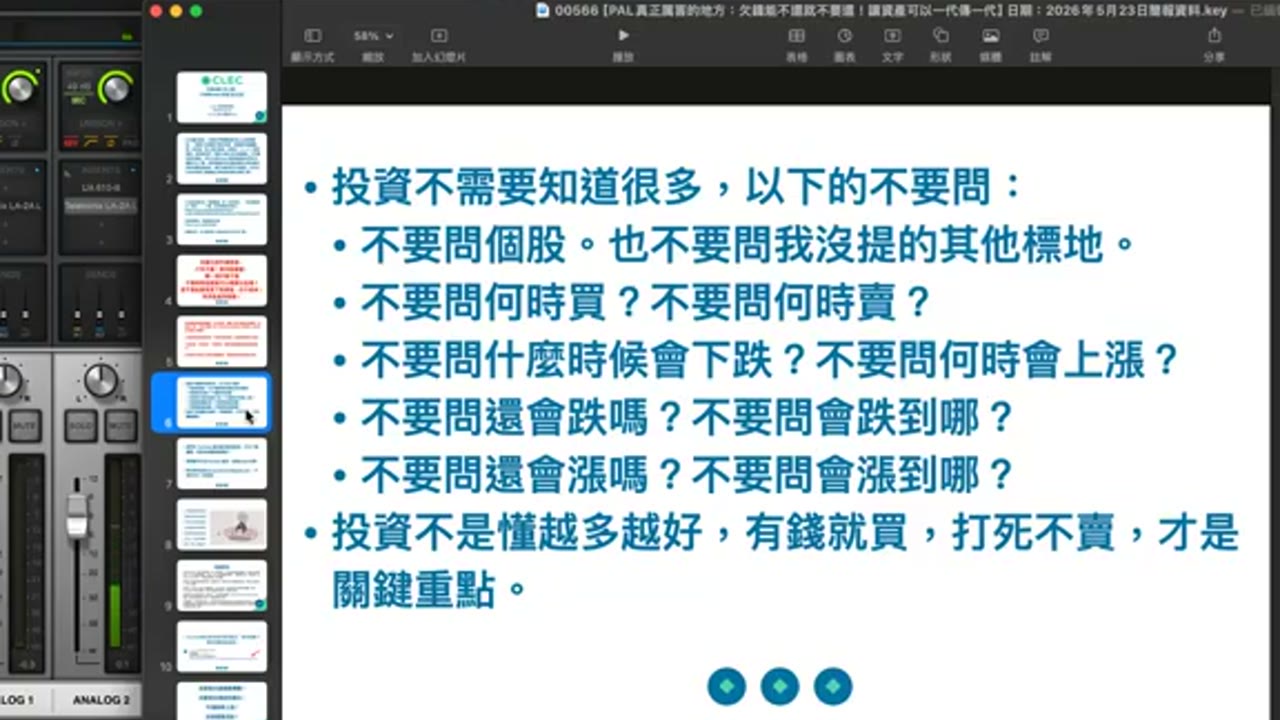
This wide-ranging discussion covers an analogy for AI growth, debt and liquidity, a youth program, credit card payment workflows, saving and investing reflections, family learning, and the limits of AI empathy.
2:49:18

00700
Do Insurance Loans Really Require No Interest Payments? Do Not Fall for the Sales Pitch—Education and Financial Security Cannot Be Outsourced
Short
Do Insurance Loans Really Require No Interest Payments? Do Not Fall for the Sales Pitch—Education and Financial Security Cannot Be Outsourced
The video says a policy loan without monthly payments is not interest-free: interest may increase debt or reduce cash value. It also covers claim disputes, surrender decisions, AI, and parental involvement in learning.
37:08

00699
True security is not having no debt, but always having cash on hand
Short
True security is not having no debt, but always having cash on hand
The speaker argues that debt does not eliminate the need for cash because property, investments, and employment can fail together. A 30% cash example and 80% decline scenario test whether forced selling can be avoided.
19:19
00698
The maintenance rate was 200%, but the delivery almost defaulted! I finally understood: the real risk is losing the initiative
Short
The maintenance rate was 200%, but the delivery almost defaulted! I finally understood: the real risk is losing the initiative
The video models whether someone with NT$100 million should keep working, then examines pledged-share liquidity. Transferring every share to one lender can remove options even when the maintenance ratio appears adequate.
19:42
00565
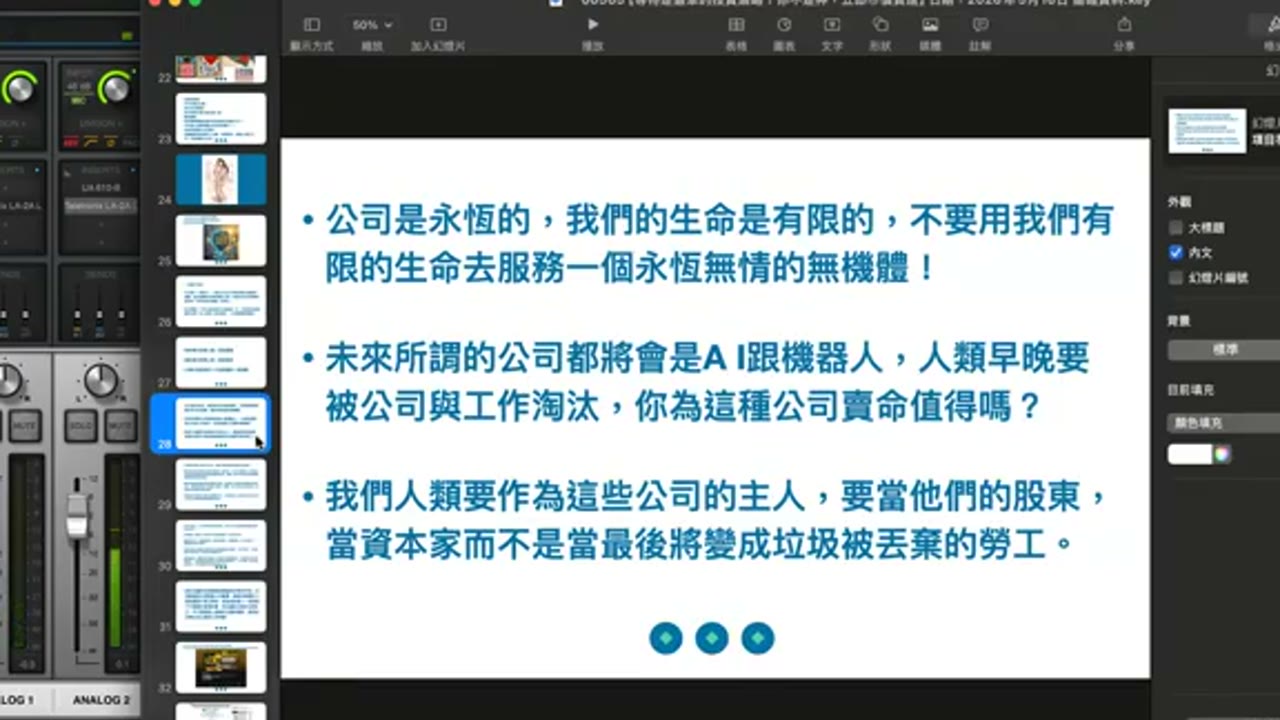
Waiting is the stupidest investment strategy! You are not a god, buy it at the market price immediately
Long
Waiting is the stupidest investment strategy! You are not a god, buy it at the market price immediately
This wide-ranging discussion covers teaching materials, health decisions, self-talk, learning through sharing, auto insurance, family motives for building assets, and long-term insurance commitments.
2:19:23
00697
It took me ten years to understand: Getting rich slowly is the real answer
Short
It took me ten years to understand: Getting rich slowly is the real answer
A writer in his thirties describes moving from low income and gambling toward a six-month reserve, 90% 00662, 10% 00670L, and less screen-watching. The speaker’s AI and market forecasts remain attributed predictions.
35:49
00564
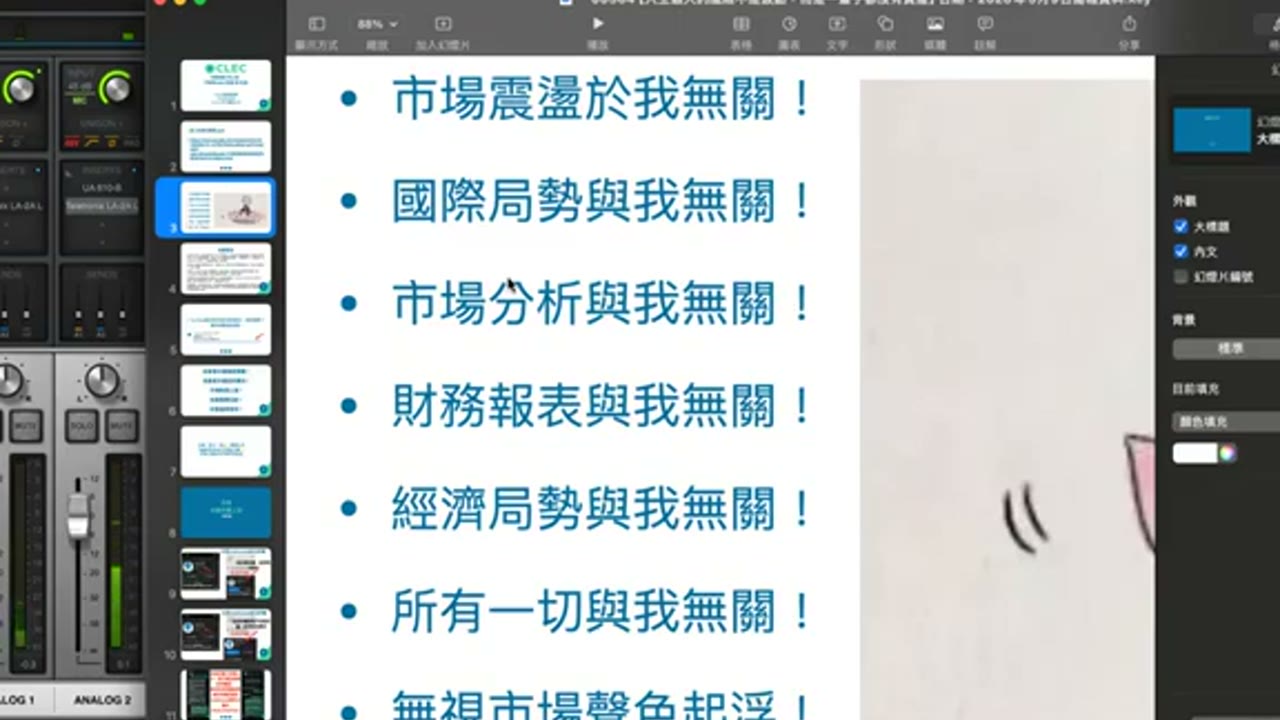
The biggest risk in life is not fluctuations, but having no assets throughout your life
Long
The biggest risk in life is not fluctuations, but having no assets throughout your life
The video discusses AI, education, work pressure, meditation, market emotions, valuation, downturn opportunities, compounding, borrowing scenarios, semi-retirement cash flow, and risk tolerance.
2:14:58
00696
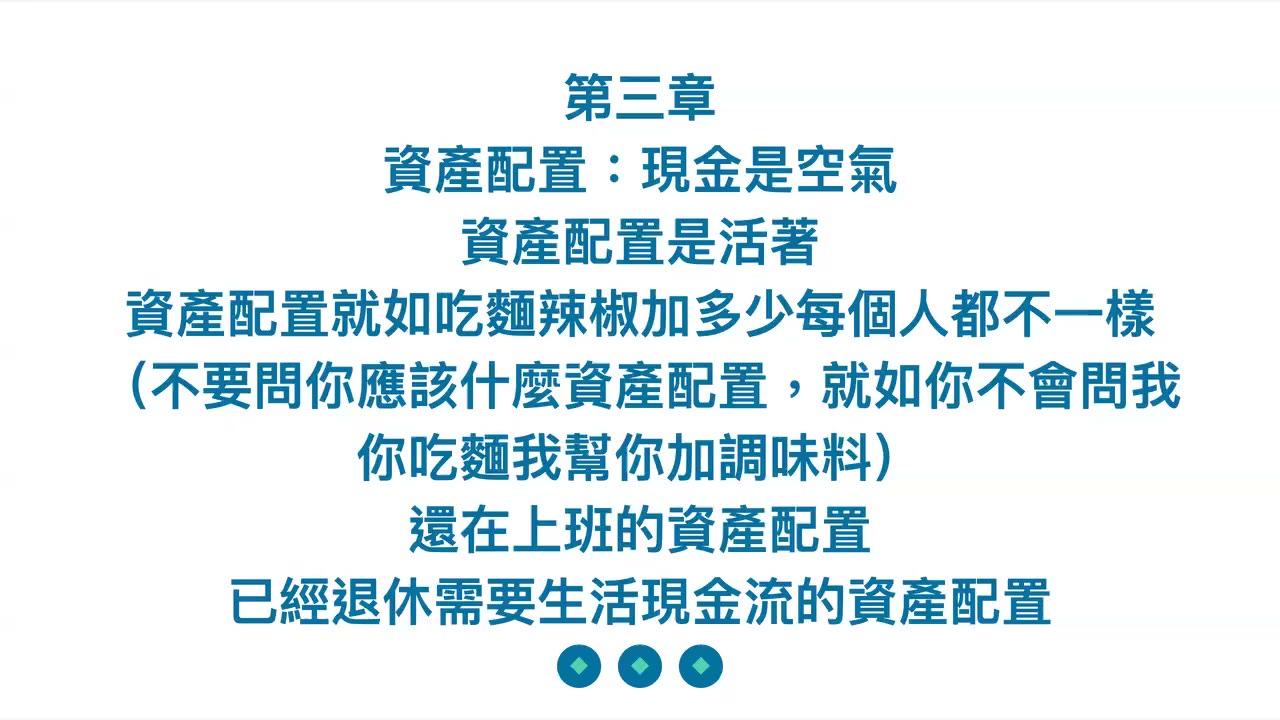
The First Investing Class of 2026: “An Investment Lecture Worth One Billion”—Chapter 3
Short
The First Investing Class of 2026: “An Investment Lecture Worth One Billion”—Chapter 3
Chapter three treats cash as essential, favors investing remaining funds promptly, and adjusts growth, QQQI income, and reserves to individual spending. Its 80/20, 70/30, and 65/35 examples are not universal.
32:30
00695
The First Investing Class of 2026: “An Investment Lecture Worth One Billion”—Chapter 2
Short
The First Investing Class of 2026: “An Investment Lecture Worth One Billion”—Chapter 2
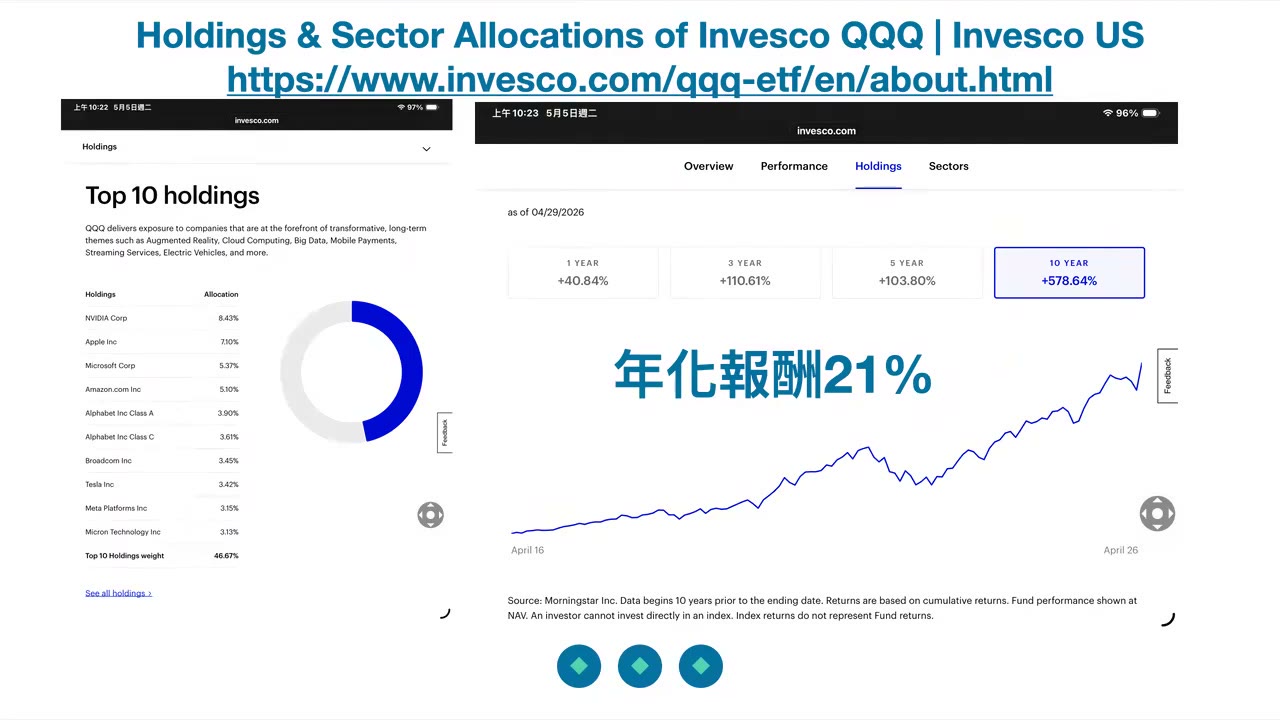
Chapter two presents the speaker’s preferred long-term assets: QQQ and some Taiwan large-cap exposure, while rejecting global funds and long-duration or corporate debt. Performance claims remain attributed views.
42:20